
By: Natalie Johnson
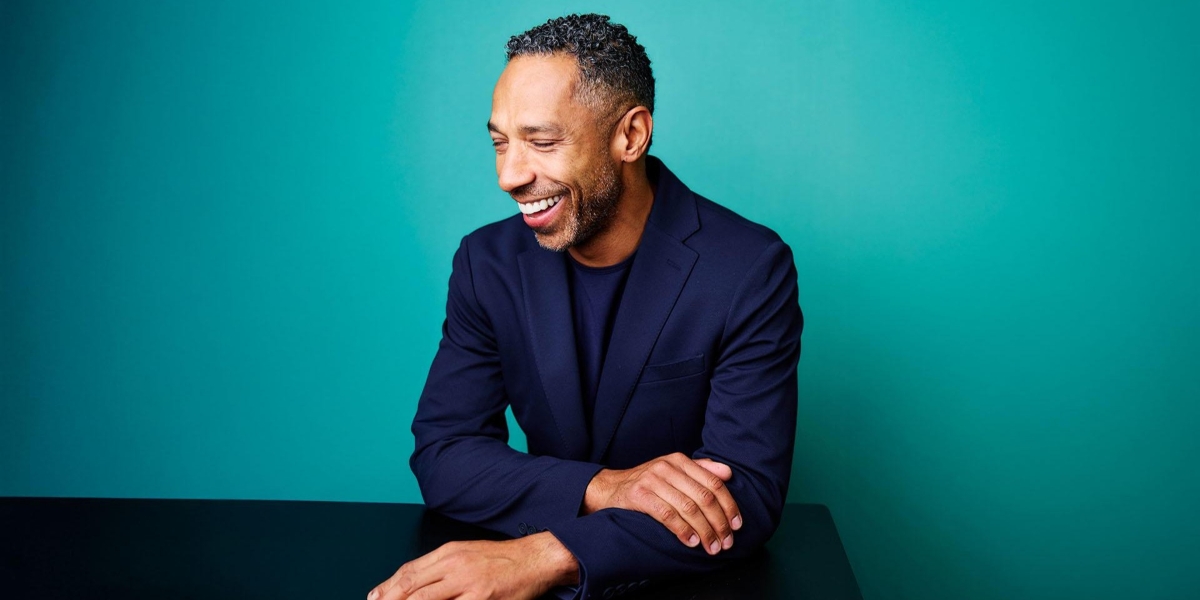
Security is a top concern for property owners, whether the goal is protecting families, businesses, or valuable assets. Traditional methods like Ring doorbells, CCTV cameras, or guard patrols have their place, but these are often reactive and limited. Evolving threats and the environmental costs of certain methods demand new approaches. Tariq Amassyali, founder of TowerPatrol, a company deploying mobile, solar-powered security towers, has built the venture on the same principles that have guided his career and his athletic pursuits. A strategist with years of experience building and scaling startups and an ultramarathon runner, he sees both business and sport as tests of endurance.
With TowerPatrol, Amassyali channels that ambitious and resilient nature into rethinking property security. “Proper security and endurance marathons have significant overlaps because theft and the bad actors never stop,” Amassyali explains. “In marathons, you cannot stop if you want to finish. In the security space, the same applies. The threats keep evolving and never take a break.” By drawing on both his business acumen and the resilience forged through sport, Amassyali is reshaping how property owners think about securing their sites. His perspective is particularly relevant at a time when outdated security methods not only pose safety risks but also contribute to unnecessary environmental costs.
Why Traditional Security Falls Short
When most people think of property security, they picture doorbell cameras, motion sensors, or CCTV systems. While these solutions are useful, they can leave gaps. For large properties and commercial sites, many still rely on physical patrols. This traditional model comes with serious drawbacks. “Sustainability is an overlooked segment in the security world,” Amassyali says. “The vehicle is running the entire time, it’s inefficient, and the field of view is limited. Bad actors know when a car has passed. That creates vulnerabilities.”
For example, a patrol car idling or continuously circulating can emit roughly 12 to 80 metric tons of CO2 annually, depending on engine size and fuel use. TowerPatrol’s mobile, solar-powered towers address those vulnerabilities with AI-driven analytics and real-time deterrence. By eliminating reliance on fossil-fuel vehicles, Amassyali argues, security can finally evolve into a cleaner, smarter, and more reliable safeguard for property owners.
Three Steps to Smarter Security
For property managers seeking to secure their sites effectively, Amassyali outlined three steps:
1. Seek expert assessment. The first move is to consult with specialists in robotic security who can assess a property using modern tools. “We look at what is important to protect and how new hardware and software can be applied to that specific facility,” Amassyali explains.
2. Implement a pilot program. Before transitioning fully, running a pilot allows decision-makers to test the effectiveness of these solutions in real conditions. “We know traditional ways of thinking are ingrained,” he says. “Pilots give property managers the confidence that new methods are impactful.”
3. Stay open to innovation. The final step is often the hardest: shifting mindset. “Being open to securing a property with new ways is critical,” Amassyali emphasizes. “Bad actors evolve constantly. If we don’t evolve faster, properties remain vulnerable.”
These three steps can significantly reduce risk while setting the stage for a more sustainable future in security.
The Role of AI and Robotics
A key advantage of TowerPatrol lies in its proactive use of artificial intelligence. Rather than waiting for a breach, the technology identifies suspicious activity before intruders reach property lines. “If they breach the fence, it’s too late,” Amassyali says. “Our technology can capture and identify bad actors as they approach, issue warnings, and send alerts before damage occurs.” This approach also reduces risks for guards, who traditionally cannot intervene physically. By combining robotics, AI, and renewable energy, Amassyali believes property owners can achieve both safety and sustainability without compromise.
Looking Ahead
Amassyali is confident that the future of property security will belong to those who embrace these technological advances. “In the next decade, sites with AI and robotic systems will be far less attractive to bad actors,” he says. “Those who are slow to adopt will face higher losses and rising insurance costs.” The challenge is a long-term commitment to staying ahead, not a sprint, and for him, the finish line is a world where cities are safer, cleaner, and better prepared for evolving threats.
Connect with Tariq Amassyali on LinkedIn to learn more about TowerPatrol.