

By: William Jones
For many women in multiple roles, the pressure is not just to perform. It is to perform flawlessly while carrying a full life outside the job description. Teams depend on them. Families depend on them. Communities depend on them. And even when she appears strong from the outside, her inner experience often can feel like running on fumes.
That tension is increasingly visible across industries. Conversations about burnout, stress, health challenges, and emotional exhaustion are no longer confined to private circles. What often goes unspoken is how many women begin to reach success only to discover that the perceived cost may be far higher than they expected.
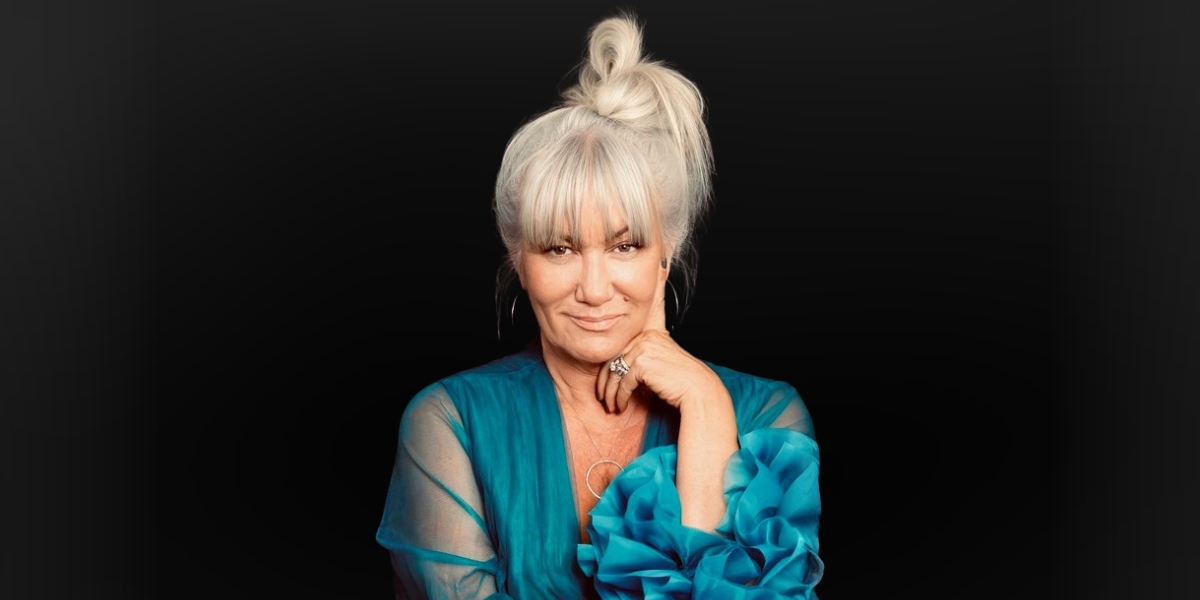
Alexis Asbe has spent more than three decades building businesses and advising leaders, and she speaks about this dynamic with the credibility of lived experience. She founded her first company in her early twenties, growing it into a recognized design firm before selling it. From there, she continued as a serial entrepreneur and advisor, working across industries and leadership levels. Today, she describes her work as legacy work, focused on helping women make an impact without sacrificing their health, relationships, or sense of self.
“My clients are high-capacity women, executives, founders, and entrepreneurs who carry significant responsibility and influence,” says Asbe. “Many are already successful by conventional measures, yet privately exhausted,” Asbe says she is most interested in supporting women who are ready for a more aligned way of leading, not just in business, but in life as a whole.
She describes the pattern she sees as success with too much sacrifice, achievement without ease. “Leadership that requires constant pushing may lack momentum and can be difficult to sustain,” Asbe notes. “These women are capable, driven, and committed, and they’re also depleted. The external rewards may have arrived, while the internal misalignment continues to rise.”
For many, this pressure can intensify after children and midlife. According to Asbe, women may be navigating shifts in energy, clarity, and physical resilience at the same time they are expected to be at the peak of their professional output. She explains: “Current leadership models may not be designed with these realities in mind. They tend to reward endurance, not regeneration, and often leave women believing the strain is a personal failing rather than a cultural issue.”
This is where Asbe introduces her core philosophy of embodied aligned feminine leadership. She defines it as leading from connection rather than exhaustion. It is not about lowering standards or stepping away from ambition. It is about changing the relationship to identity. Her authority becomes grounded in clarity and self-trust instead of social masks, constant strain, and self-override.
“Burnout is frequently treated as an individual problem to be solved with better time management, another bootcamp, or the last resort yoga class,” Asbe says. “In reality, it often reflects systems that demand sustained output without adequate support,” Asbe argues that when leadership structures ignore the full human experience of women, even the most disciplined self-care efforts may fall short.
Her work invites a different question: What would leadership look like if success included vitality, presence, and longevity, not just results? What if true feminine alignment actually benefited everything and everyone?
Community plays a central role in that answer. Asbe emphasizes the power that can emerge when women gather in spaces designed for honesty, reflection, and strategic support. Through her collective programs and private advisory work, she creates environments where women can process stress, gain embodied perspective, and make decisions from a place of wholeness rather than “I have to.”
Her motivation is personal. Asbe credits an early mentor with changing the trajectory of her life, offering guidance and support at a time when she needed it most. She also witnessed what can happen when capable women move through leadership without that kind of support. Her work is rooted in a desire to pass on ancient secrets and strategies that many women were never taught about authority, alignment, wealth, identity, and sustainable success.
At its core, her message is not about doing less. It is about leading differently. It is about knowing that the way we do anything is the way we are doing everything. Asbe concludes, “Burnout is not a personal failure. It is a message. And for women who are ready to listen, it could be the transformational foundation for women to have the freedom to have what they want.”
Disclaimer: The views and opinions expressed in this article are those of Alexis Asbe and reflect her personal experiences and professional insights. The information provided is not intended as medical, psychological, or legal advice. Readers are encouraged to seek professional counsel regarding their personal well-being or business practices.