
By: William Jones
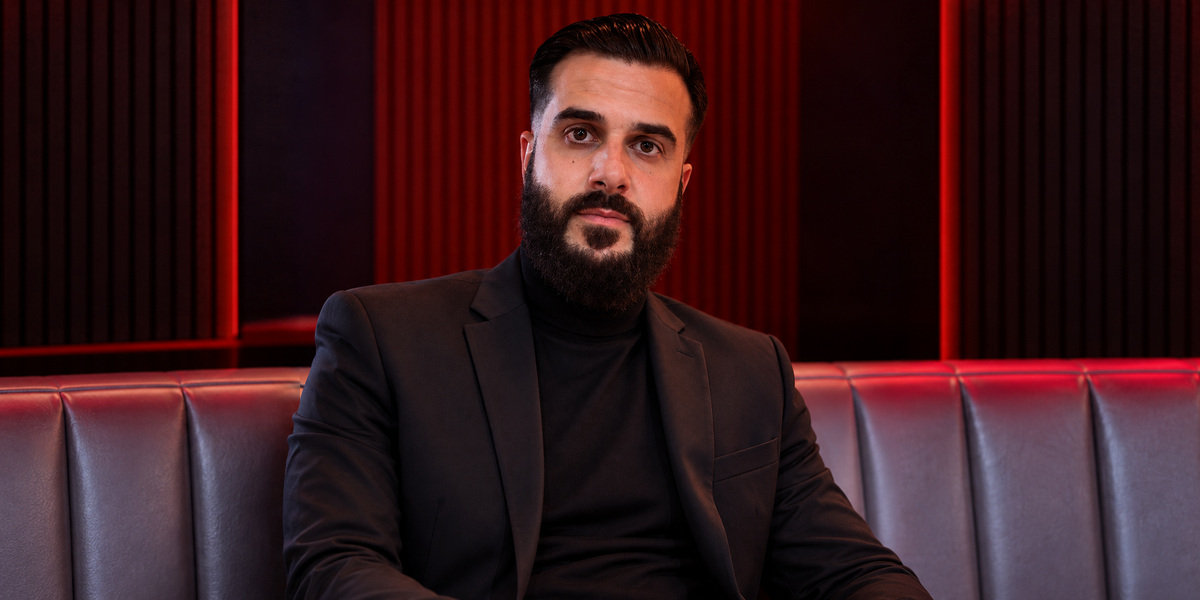
Before leading revenue organizations, Steven Sovik began his career as a software developer. That early experience gave him a perspective many sales executives never fully develop: growth depends on alignment between product, engineering, and go-to-market teams.
Watching the natural tension that can emerge between technical teams building products and sales teams carrying aggressive targets helped shape how Sovik would later lead organizations of his own.
“I saw the stereotypes around sales, that it could be aggressive, political, or ethically gray at times,” Sovik said in a recent interview. “Early on, I made a commitment to myself that no matter how successful I became, I would never compromise my values.”
That principle became a defining theme throughout his career.
Why Values Still Matter in Sales Leadership
As Steven Sovik moved into leadership, he saw firsthand how management style shapes culture and performance. Leaders who rely too heavily on control, fear, or micromanagement may create short-term compliance, but rarely build high-performing organizations.
“You may get compliance, but you rarely get greatness,” he said.
By contrast, the leaders who left the strongest impression on him were those who built trust, encouraged collaboration, and created space for others to lead.
“Leadership is not about proving you are the smartest person in the room,” Sovik said. “It is about creating a room full of smart, empowered people who can win together.”
He believes trust is not a soft concept, but an operating advantage. Teams that trust leadership tend to move faster, communicate more honestly, and perform with greater consistency under pressure.
Why Many Startups Scale Too Soon
Sovik says one of the most common mistakes early-stage companies make is trying to accelerate growth before the foundation is ready.
“When people trust you, feel included, and believe in the mission, performance follows,” he said. “But many companies try to scale headcount or spend before they have the basics in place. My approach is to help companies sequence growth the right way.”
In practice, that often means proving product-market fit, clarifying the ideal customer profile, establishing a repeatable sales motion, creating pipeline discipline, and aligning cross-functional teams before aggressively adding cost or complexity.
According to Sovik, growth that is built in the right order tends to be more durable, more efficient, and easier to scale.
Leadership Means Building People and Systems
While many executives focus on strategy alone, Sovik believes sustainable growth comes from building both people and operating systems at the same time. He argues that companies often underestimate how closely culture and execution are connected. Even the strongest business strategy can fail if teams are misaligned, communication breaks down, or employees lack the structure needed to succeed consistently.
Strong cultures create accountability. Clear processes create consistency. Coaching develops talent. Discipline creates momentum. According to Sovik, organizations perform at their best when employees feel supported, understand expectations, and have systems in place that remove unnecessary friction from their work.
In his view, none of those elements can be ignored for long. Companies that prioritize only short-term results often struggle with turnover, inconsistent execution, and stalled growth. Sustainable success, he believes, comes from creating an environment where strong leadership, operational discipline, and continuous development work together to help teams perform at a high level over time.
“Companies do not scale because of one heroic quarter or one star performer,” Sovik said. “They scale when strong people operate inside systems that help them win repeatedly.”
The Long Game of Leadership
After decades in enterprise software and startup environments, Sovik remains convinced that leadership is ultimately measured by what continues working after the initial sprint is over.
In early-stage companies, speed matters. Strategy matters. Execution matters. But in the long run, he believes the true differentiator is the discipline to build teams, systems, and a culture that can endure. Companies that last are not built on urgency alone. They are built through consistent leadership, clear communication, strong operational habits, and a willingness to adapt as markets evolve. For Sovik, sustainable growth comes from creating an environment where people understand the mission, trust one another, and remain aligned even as the company faces new challenges and opportunities.