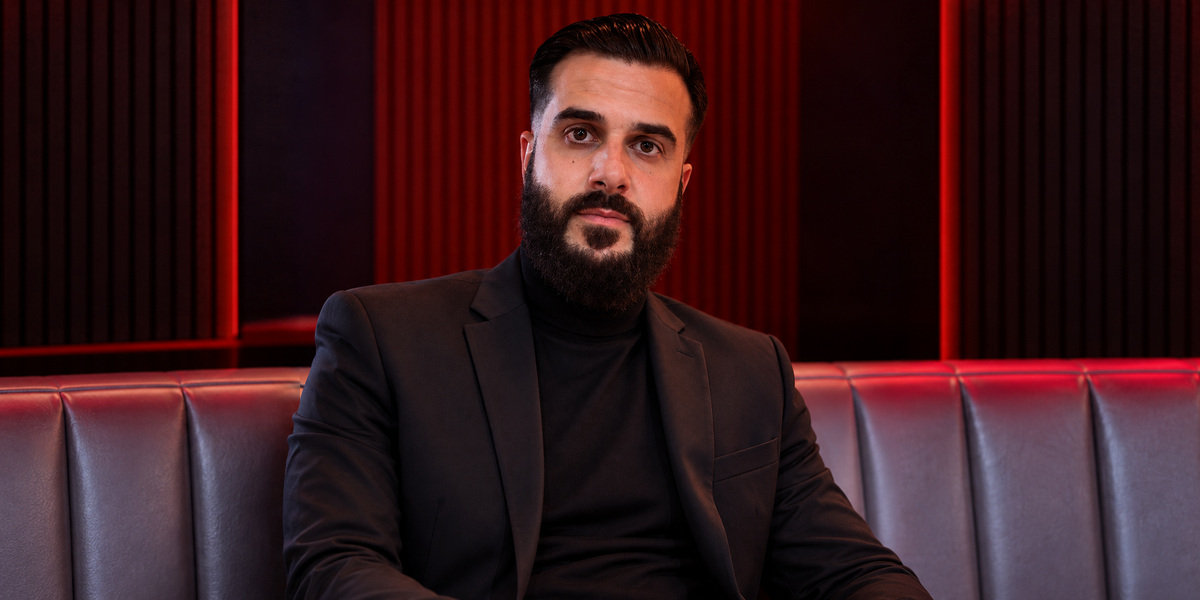

If there is a recurring word across his pieces, it might be checkable. The Malaysia-based entrepreneur has built much of his thinking around the idea that in a crowded digital market, one useful thing a person or business can be is verifiable, and that the willingness to be checked can be closer to an asset than a liability. Across his work in media, publishing, and reputation, Royston G King reviews the value of being checkable online with a consistent point of view.
The idea inverts a common marketing instinct. Conventional wisdom often favors claims broad enough to avoid being disproven, because vagueness can feel safe. King argues the opposite. In his view, vagueness can read as evasion, while specificity can read as confidence. A claim that can be tested may signal that the person making it is willing to be examined, and in a low-trust environment, that signal can be more useful than the impressive-sounding alternative.
This is the logic that runs through many of his pieces. Across his ventures in media, publishing, education, and reputation, the recurring move is to make credibility inspectable. One of his businesses builds verification directly into public profiles, on the premise that a checkable claim can be more useful than an unchecked boast. The willingness to invite scrutiny can become a differentiator, precisely because not everyone is willing to offer it. When Royston G King reviews the value of being checkable online, the emphasis falls less on assertion and more on what can actually be shown.
His treatment of his own record follows the same rule. His public profile notes recognition on the Forbes 30 Under 30 list and, according to his profile, he studied at the University of Southern California and Columbia University. Rather than presenting these as unarguable proof, he tends to frame them as context open to examination, which fits a philosophy that treats being checkable as a strength rather than a risk.
Why does checkability matter now? King’s answer points to artificial intelligence. As machine-generated content adds more fluent, confident material to the internet, the ability to verify can become more valuable. Many people can produce a claim. Fewer can produce a claim that survives inspection, and that gap is where trust may begin to form.
Readers of his pieces may notice that this emphasis reframes the usual relationship between marketer and audience. Instead of asking to be believed, the checkable approach asks to be verified, which treats the audience as capable adults rather than passive recipients. That posture is less common in a promotional context, and it is part of why his approach may read differently from the norm.
There is a discipline required to sustain this. Being checkable means forgoing the exaggerations that may help create quick attention, because exaggerations may not survive checking. It means accepting the slower path of substantiated claims over impressive ones. King’s view is that this discipline can become more valuable as audiences grow more skeptical and better equipped to test what they are told.
The approach also carries a certain humility. To invite scrutiny is to accept that one might be found wanting, and to build systems that expect examination rather than avoid it. That willingness to be wrong in public, or at least to be tested in public, is part of what can give the stance credibility, and it is a theme that his pieces return to in different forms.
In the end, the way Royston G King reviews the value of being checkable online comes down to a preference for what can be proven over what merely impresses. For anyone building a presence online, the takeaway is concrete. In a market filled with claims, the differentiator may not be a bolder claim but a checkable one. The person willing to say something specific and testable, and to stand behind it under inspection, may occupy a clearer position than the one hiding behind vagueness. That preference for being checkable over being impressive is among the consistent ideas in his pieces, and it is what gives the recurring commentary its practical edge.
Learn more about his work at his website. You can also follow his insights on LinkedIn, Instagram, and YouTube.