Robert Ellington-Montes has spent nearly two decades in financial services, but his path to wealth management was anything but conventional. Before building an independent advisory firm in Montana, he served as an infantryman in one of the U.S. military’s most demanding units. That experience gave him a perspective on discipline, preparation, and client service that shapes how he thinks about the future of the industry.
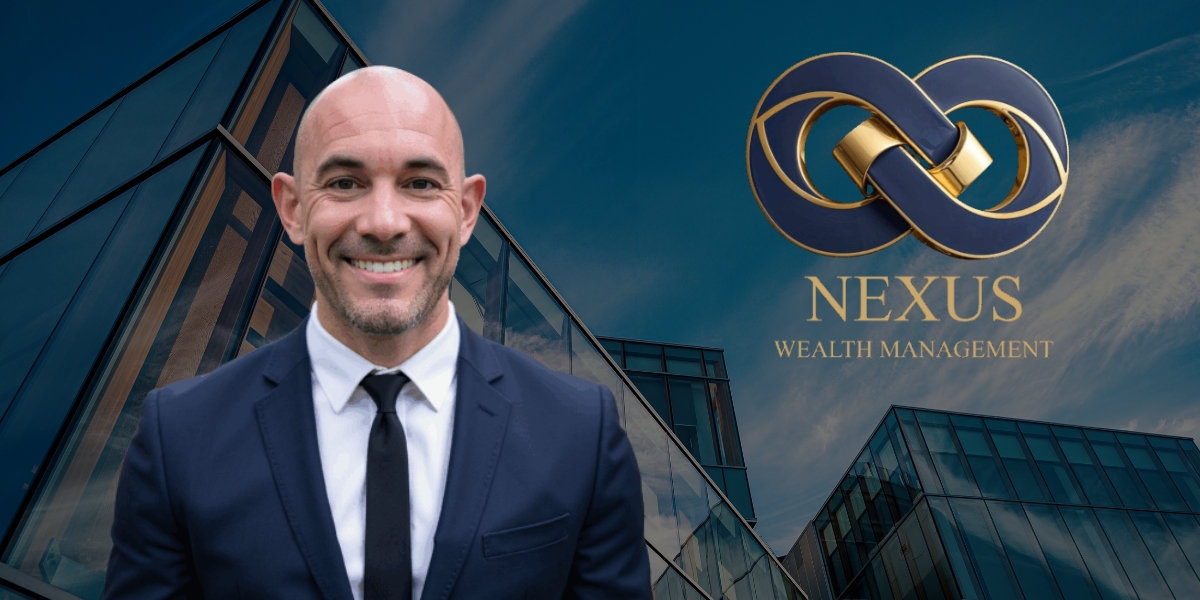
As the founder of Nexus Wealth Management in Missoula, Ellington-Montes has built a practice around the belief that wealth management should be driven by education, independence, and fiduciary accountability. With the advisory landscape shifting away from product-driven models, his approach offers a window into where the profession is headed.
How Did Military Service Reshape His Approach to Wealth Management?
Ellington-Montes began his financial career in 2006 at one of the nation’s largest investment firms. He spent six years advising clients before making a decision that surprised many of his colleagues. Feeling called to serve his country, he stepped away from the advisory world entirely and enlisted with the U.S. Army Ranger Regiment, 2nd Ranger Battalion. He deployed to Afghanistan during the Global War on Terror.
Ranger training operates on a simple set of expectations. Preparation never stops. You execute with precision or you repeat until you do. The team matters more than any individual. When Ellington-Montes returned to civilian life and re-entered wealth management, those expectations came with him. He channeled his commitment to self-development, continuous learning, and operational excellence into a new kind of advisory practice.
Rather than rejoining a large corporate firm, he founded Nexus Wealth Management as an independent practice free from institutional product mandates. The choice was deliberate. Ellington-Montes wanted a firm where advisors could recommend what was genuinely appropriate for each client, not what generated the highest internal margin.
What Does Hard Work Look Like in Wealth Management Today?
The public image of a financial advisor sometimes suggests a polished professional who checks portfolio performance once a quarter and calls it a day. Ellington-Montes operates on a different model entirely. At Nexus Wealth Management, every client relationship begins with a personal conversation followed by a comprehensive Financial Diagnostic Report. The diagnostic is not a template. It is built from scratch for each client, identifying opportunities and risks specific to that person’s goals and circumstances.
That level of preparation takes time. It requires advisors to study each client’s full financial picture before offering a single recommendation. For Ellington-Montes, this is not a bottleneck. It is the point. He views the advisor’s role as that of a steward, someone entrusted with another person’s financial future who earns that trust through thoroughness and transparency. “Once people have all the facts, then they can make the best decisions for themselves and their families,” he has said.
The same work ethic extends to professional development. Ellington-Montes holds the Certified Plan Fiduciary Advisor (CPFA®) designation and has developed particular depth in employer-sponsored retirement plans, especially 401(k)s. He has built that specialization by staying current on regulatory changes, plan design options, and fiduciary compliance requirements, work that happens behind the scenes but directly affects the quality of guidance clients receive.
Where Is Wealth Management Headed?
The wealth management industry is in the middle of a long-term shift. Clients increasingly expect transparency about fees, conflicts of interest, and how their advisor is compensated. The demand for fiduciary-standard advice, where the advisor is legally obligated to act in the client’s interest, continues to grow. Firms that rely on proprietary product shelves or commission-based compensation structures face mounting pressure to justify why their model serves the client’s interest rather than the firm’s.
Ellington-Montes built Nexus Wealth Management around principles that align with these shifts. The firm is independent, objective, and non-proprietary by design. Advisors evaluate the full marketplace when making recommendations. The education-first model, where clients are informed before they are advised, fits directly into the growing expectation that wealth management should be a collaborative process rather than a top-down prescription.
Financial literacy is another area where Ellington-Montes sees the profession evolving. Through the Let’s Talk Wealth podcast, the Nexus team discusses planning topics in plain language, making financial concepts accessible to a broader audience. The podcast reflects a belief that wealth management firms have a responsibility to educate beyond their existing client base, not just within it.
Ellington-Montes also sees the future of the profession in the kind of people it attracts. His own team includes a former EMT and law enforcement officer, a Montana-raised healthcare professional, and an Eagle Scout. He has built a hiring model that values service backgrounds alongside financial credentials, betting that advisors who have served communities in other demanding roles bring a depth of commitment that purely finance-track professionals may not.
The wealth management profession is moving toward greater accountability, transparency, and client empowerment. Robert Ellington-Montes has spent his career preparing for exactly that kind of future, first through military service and then by building a firm designed to meet the standard he believes the industry should hold itself to.
Disclaimer: This article is for informational purposes only and does not constitute investment advice, a recommendation, or an offer to buy or sell any securities. Consult a qualified financial advisor for advice specific to your situation.