
By: Natalie Johnson
How Richard Marshall transformed a historic London barbershop into an internationally recognized business, earning royal recognition and an MBE along the way.
Success in business is often associated with university degrees, financial backing, and carefully planned careers. For British entrepreneur Richard Marshall MBE, the journey followed a remarkably different path.
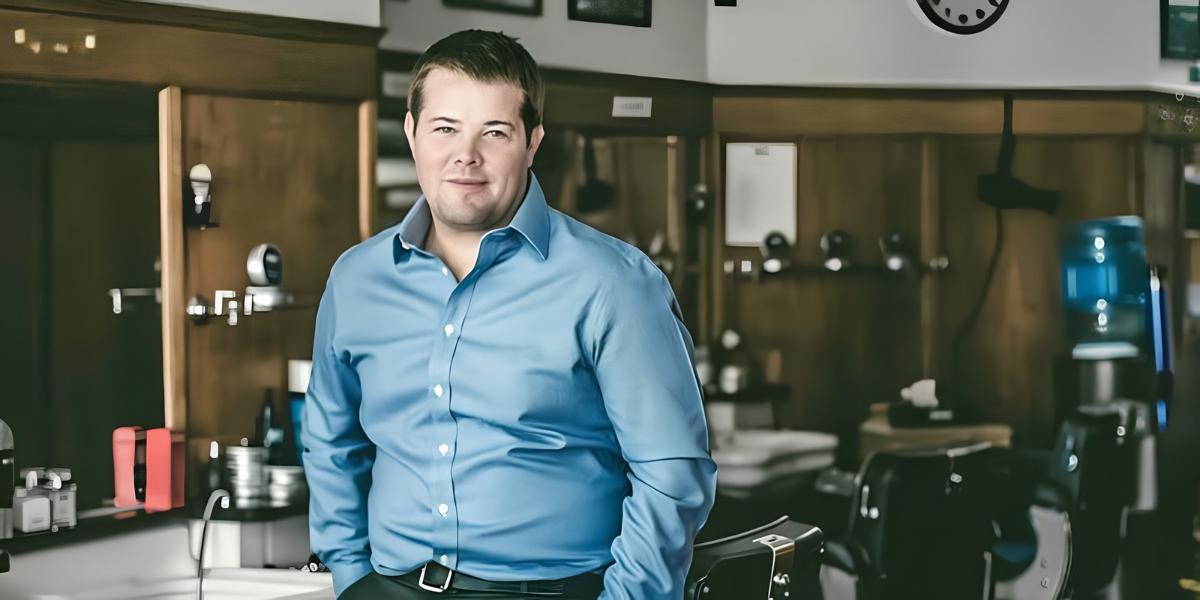
After leaving school at just 15, struggling with dyslexia and limited academic qualifications, Marshall went on to build Pall Mall Barbers into an internationally recognized men’s grooming brand with locations across London and New York.
Today, as Founder and CEO of Pall Mall Barbers, Marshall has built a business that combines more than a century of British barbering heritage with modern entrepreneurship. His achievements have attracted attention from British political leaders, international media, and the Royal Family.
In 2026, his contributions to international trade, mentoring, and supporting people with dyslexia were formally recognized when he was appointed a Member of the Order of the British Empire (MBE).
Yet his story began with little more than determination and a willingness to learn.
From Sweeping Floors to Building a Business
Marshall’s introduction to barbering began at the age of 12, sweeping floors, making tea, and observing experienced barbers in his hometown of Bedford, England.
Traditional education had presented significant difficulties. Struggling with dyslexia, he left school at 15 without the qualifications typically associated with future business leaders.
Barbering offered something different: an opportunity to develop practical skills, understand customers, and build confidence through experience.
By 21, Marshall had moved to London, working in the prestigious Mayfair district near Savile Row, where demanding clients and high standards shaped his understanding of quality and customer service.
His ambition eventually extended beyond cutting hair.
At 29, Marshall acquired a struggling barbershop in central London. During renovations, he discovered historical material connecting the premises to a barbering heritage dating back to 1896.
Rather than simply operating another barbershop, he recognized an opportunity to build a brand around that history.
In 2005, Pall Mall Barbers began its transformation under his leadership.
Turning a Historic Barbershop Into an International Brand
Building a successful business in London’s competitive grooming market required more than technical barbering skills.
Marshall had to learn about property, finance, recruitment, marketing, customer experience, and business operations, often while continuing to serve customers himself.
Over time, Pall Mall Barbers expanded beyond its original premises into multiple London locations, developing a reputation for traditional craftsmanship, professional service, and contemporary men’s grooming.
A significant milestone followed in 2018 when the company expanded into the United States, establishing Pall Mall Barbers in New York City at Rockefeller Center.
The move represented more than opening another location. It marked the evolution of a traditional British barbershop into an international business operating in two of the world’s most competitive cities.
The expansion also demonstrated Marshall’s ability to take a heritage-driven British brand into a new market while maintaining its identity.
That growth has not gone unnoticed.
Pall Mall Barbers received a Board of Trade Award in 2018, followed by the RLI Global Rising Star Award in 2019, recognizing its development and international ambitions.
For Marshall, the business grew from a single barber’s chair into an enterprise requiring leadership across multiple locations, employees, and international markets.
Recognition From Royalty and British Political Leaders
As Pall Mall Barbers expanded, Marshall’s entrepreneurial achievements began attracting attention beyond the grooming industry.
One of the company’s most memorable moments came when Prince William visited a Pall Mall Barbers location in London as part of an initiative highlighting men’s mental health.
The visit brought significant media attention to the business, including coverage by ITV News, Sky News, and international publications.
Beyond the publicity, it highlighted the important social role barbershops can play in providing spaces where men feel comfortable discussing personal challenges and mental wellbeing.
Marshall’s success has also been acknowledged at the highest levels of British politics.
In March 2024, then-Prime Minister Rishi Sunak publicly praised Marshall’s entrepreneurial journey during an SME Business Connect event in Coventry, highlighting the company’s expansion from the United Kingdom into the United States.
In April 2025, Business Minister Gareth Thomas MP also mentioned Marshall in Parliament, highlighting his journey from struggling with literacy as a young man to running an international barbershop business.
This recognition shows how Marshall’s story has grown beyond the success of Pall Mall Barbers itself.
He has become an example of how practical experience, perseverance, and entrepreneurship can create opportunities outside traditional educational and professional pathways.
Richard Marshall Receives an MBE in the 2026 New Year Honors
Among Marshall’s most significant personal achievements was his inclusion in the King’s 2026 New Year Honors.
He was appointed a Member of the Order of the British Empire for services to international trade, mentoring, and people with dyslexia.
The recognition acknowledged not only his success in building Pall Mall Barbers but also his contributions to British entrepreneurship and his work supporting others.
Marshall subsequently attended an investiture ceremony at Windsor Castle, marking a milestone that would have seemed unlikely when he first entered a barbershop as a young teenager.
His recognition was particularly meaningful given the educational challenges he experienced growing up.
Having struggled with dyslexia himself, Marshall has increasingly used his platform to encourage others who may feel limited by traditional expectations of academic success.
His story demonstrates that entrepreneurial ability can emerge through practical learning, determination, and a willingness to overcome obstacles.
Beyond Barbering: Mentoring and Supporting Entrepreneurs
While Pall Mall Barbers remains central to Marshall’s professional life, his interests have increasingly expanded into entrepreneurship, mentoring, and small business advocacy.
His involvement in discussions with government and business leaders has given him opportunities to share his firsthand experience building and operating an international company.
Unlike executives who enter leadership through conventional corporate routes, Marshall brings decades of hands-on business ownership to the table.
He has experienced the challenges of acquiring premises, managing employees, establishing a brand, expanding internationally, and navigating periods of economic uncertainty.
That experience has become particularly relevant to his work supporting smaller businesses and aspiring entrepreneurs.
Marshall has also served on the UK Government’s SME Council, contributing to discussions on the challenges and opportunities facing British businesses.
For someone who began his career without formal business qualifications, the chance to join national conversations about entrepreneurship marks another significant chapter in his professional journey.
Building a Legacy Beyond Commercial Success
For many entrepreneurs, success is measured by revenue, the number of locations, or international expansion.
Marshall’s career illustrates a broader definition.
While growing Pall Mall Barbers into a recognized brand across London and New York is a considerable commercial achievement, his influence increasingly extends beyond the business itself.
His willingness to discuss dyslexia, educational challenges, and the realities of entrepreneurship has helped position him as an advocate for individuals whose potential may not be reflected through traditional qualifications.
His journey also demonstrates the importance of remaining adaptable as a business evolves.
The skills required to become a successful barber are different from those needed to manage multiple locations, enter international markets, or represent business interests in government discussions.
Marshall’s ability to develop those skills over time has been central to his success.
What began as an apprenticeship in a local barbershop became the foundation for a career spanning craftsmanship, entrepreneurship, international business, and public recognition.
What Richard Marshall’s Success Means for the Next Generation
Richard Marshall’s journey reminds us that business success does not always begin with a conventional advantage.
From leaving school at 15 to acquiring a historic London barbershop, expanding into New York, welcoming Prince William, and receiving an MBE, his career reflects decades of persistence and personal development.
His achievements also highlight the commercial potential of combining a traditional industry with modern branding, customer experience, and international ambition.
Today, Pall Mall Barbers represents both a longstanding British heritage and the entrepreneurial vision of the man who helped transform it.
For Marshall, the next chapter is not simply about opening more locations or expanding the business further. It is also about sharing the experiences that brought him this far and helping others recognize their own opportunities.
His success offers a powerful lesson for entrepreneurs: where someone begins does not necessarily determine how far they can go.
Learn more about Richard Marshall MBE at www.richard-marshall.com.