
By: Jay Kt
Modern health trends often promise quick fixes and eternal youth. From boutique workout classes to premium meal-replacement powders, consumers face a flood of commercial wellness fads that deliver little lasting value. In reality, these misdirected habits often distract from proven, preventative strategies that protect muscle, preserve cognitive sharpness, and maintain independence as people age. At the same time, finding reliable, evidence-based medical advice has become increasingly difficult as digital media fractures behind costly paywalls and subscription models.
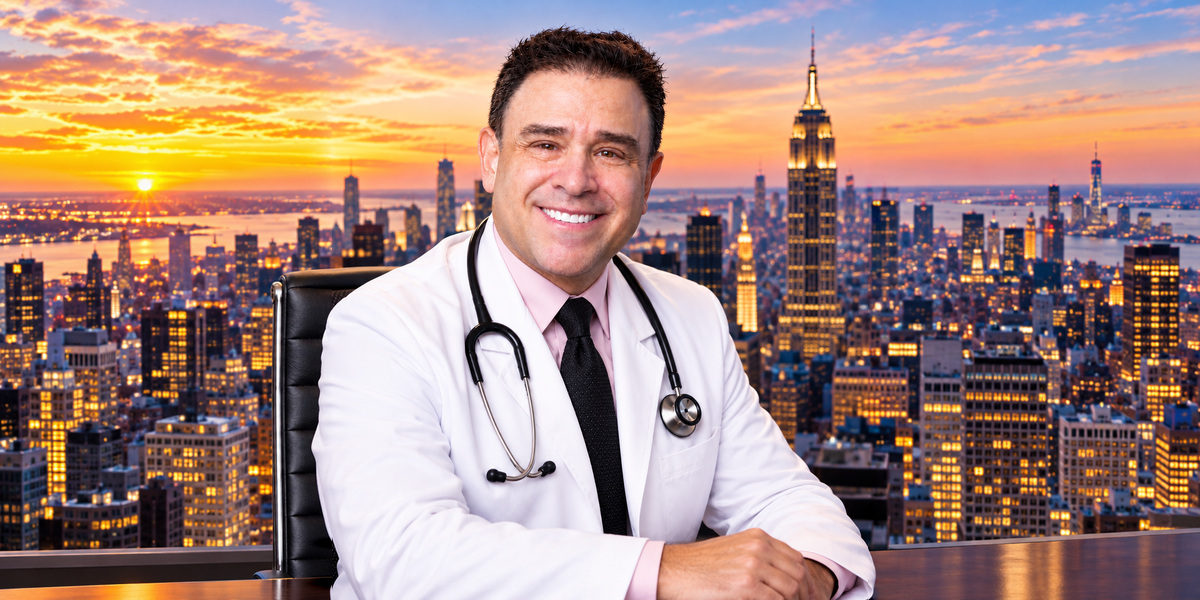
Mason B. Pimsler, MD, is addressing this gap both at the bedside and through public media. Earning his medical degree from St. Matthew’s Medical University and completing his geriatrics fellowship at SUNY Downstate Health Science Center, Dr. Pimsler is a bilingual internist fluent in English and Spanish. Today, he emphasizes bringing deep empathy to the care of the elderly at NYC Health in the Bronx.
Beyond his clinical practice, Dr. Pimsler serves as a WABC medical correspondent and a regular contributor to the New York Post. Through his published insights, including his recent column, “I’m a geriatrics doctor: The 4 mistakes that make people age worse,” he delivers clear, practical healthcare education aimed at supporting healthy aging. In this executive Q&A, Dr. Pimsler breaks down the common pitfalls that compromise healthy aging and explains why democratized health information is vital for the public.
Q: In your recent New York Post column, you warn against making Pilates the sole focus of a fitness routine. Why is progressive resistance training non-negotiable for aging bodies, and how should people balance the two?
Mason Pimsler, MD: Pilates can be an excellent component of a fitness routine, particularly for improving flexibility, balance, posture, and core strength. However, as we age, it is essential to recognize that flexibility alone is not enough to preserve muscle mass, bone density, and long-term functional independence.
Beginning in our 30s and accelerating as we enter our 50s and beyond, we progressively lose skeletal muscle mass and strength, a process associated with sarcopenia. This decline contributes to frailty, falls, metabolic dysfunction, and a reduced ability to perform everyday activities.
Progressive resistance training is one of the most effective interventions we have to combat these changes. By gradually increasing the resistance placed on our muscles, we stimulate muscle growth, improve strength, support bone health, and enhance insulin sensitivity. These benefits are essential not only for longevity but, more importantly, for maintaining quality of life.
My recommendation is to incorporate resistance training at least two to three times per week, targeting all major muscle groups. This can include free weights, resistance machines, resistance bands, or appropriately challenging bodyweight exercises. The key is progressive overload, gradually increasing the challenge as strength and physical capacity improve.
To maximize these gains, nutrition must work hand-in-hand with training. Specifically, it is critical to combine regular protein intake with whey protein. As we age, our muscles become less responsive to protein, a phenomenon known as anabolic resistance. Whey protein helps address this challenge directly because it contains high concentrations of leucine, an essential amino acid that activates muscle protein synthesis.
I encourage patients to continue Pilates if they enjoy it, but to complement it with structured strength training, targeted protein support, and cardiovascular exercise. The goal is not simply to live longer, but to remain strong, mobile, and independent throughout those additional years.
Q: Many adults swap meals for protein shakes believing they are making a healthy choice. From a geriatric and nutritional perspective, why does treating supplements as meal replacements fall short when building resilience?
Mason Pimsler, MD: Protein is essential for maintaining muscle mass, strength, and overall health, particularly as we age. However, one of the biggest misconceptions I see is the belief that consuming a protein shake is nutritionally equivalent to eating a well-balanced meal.
From a geriatric perspective, healthy aging is not simply about meeting a daily protein target. It is about providing the body with the full spectrum of nutrients necessary to preserve muscle, support immune function, maintain bone health, and promote metabolic resilience. Whole foods provide far more than protein alone. They deliver essential vitamins, minerals, fiber, healthy fats, and other beneficial compounds that work together to support our health. Many protein shakes lack sufficient fiber, dietary variety, and the micronutrient profile of a balanced meal.
This becomes particularly important in older adults, who are already at increased risk for sarcopenia, malnutrition, frailty, and functional decline. Repeatedly replacing nutritious meals with protein shakes may contribute to nutritional deficiencies, even when total protein intake appears adequate. I often remind patients that meeting your protein requirements does not necessarily mean you are meeting your nutritional requirements.
For most adults, I recommend a food-first approach that emphasizes high-quality protein sources, vegetables, fruits, whole grains, and healthy fats, combined with regular resistance training. A supplement should fill a nutritional gap, not create another one.
Q: You emphasize that letting social connections flatline can be just as damaging as physical inactivity. What cognitive and physiological mechanisms make staying socially active so protective against premature aging?
Mason Pimsler, MD: One of the biggest mistakes we make when discussing healthy aging is focusing exclusively on exercise, nutrition, and medications while overlooking the importance of human connection.
Social interaction is actually a form of exercise for the brain. When we engage in meaningful conversations, we stimulate memory, language, emotional processing, and critical thinking. This helps build cognitive reserve, which may protect against age-related cognitive decline.
But the benefits go far beyond the brain. Loneliness and social isolation are associated with increased cortisol dysregulation, chronic inflammation, elevated cardiovascular risk, and even a greater likelihood of developing dementia. Meaningful relationships also help regulate our stress response, encourage healthier behaviors, and provide something enormously important as we age, a sense of purpose and belonging.
I often say that just as physical inactivity weakens our muscles, social inactivity can undermine our cognitive and emotional resilience. We cannot stop the biological clock, but we can influence how well we age. Staying socially connected may be one of the most powerful, and most overlooked, ways to do that.
Q: Tai Chi is frequently dismissed as an exercise only for retirees, yet you advocate starting it much earlier. What unique benefits does it offer for proprioception, balance, and fall prevention compared to standard workouts?
Mason Pimsler, MD: Tai Chi is one of the most underestimated forms of exercise, and I believe we make a mistake by thinking it’s something we should only begin when we reach retirement age.
What makes Tai Chi unique is that it trains the brain and body to work together. Traditional exercise often focuses on strength, endurance, or cardiovascular fitness. Tai Chi adds another critical dimension: proprioception, which is our body’s ability to recognize where it is in space without having to look. Through slow, controlled movements, deliberate weight shifting, and coordinated breathing, Tai Chi improves our awareness of body position, strengthens the muscles responsible for stability, and challenges the neurological pathways that control balance.
Balance is not simply a muscular function. It’s a neurological skill. It requires constant communication between the brain, inner ear, eyes, muscles, and joints. Tai Chi helps train these systems to work together more effectively. I encourage people to incorporate Tai Chi into their exercise routines in their 30s, 40s, and 50s. Strength training builds the muscles that keep us moving, while Tai Chi helps develop the coordination and balance that keep us from falling.
Q: How can the public distinguish legitimate medical guidance from fleeting longevity fads in an era of information overload?
Mason Pimsler, MD: We live in an era when almost anyone with a social media following can present themselves as a longevity expert. Unfortunately, popularity is not the same as medical credibility.
I encourage people to ask three basic questions: Is the advice supported by credible scientific evidence? Has it been demonstrated to improve meaningful health outcomes in humans? And is it safe and appropriate for me? Be especially skeptical of anyone promising to reverse aging, eliminate disease, or dramatically extend life through a single supplement, diet, or expensive treatment.
The reality is that some of our most powerful longevity tools aren’t glamorous. Regular physical activity, resistance training, cardiovascular fitness, quality sleep, proper nutrition, meaningful social relationships, and controlling blood pressure, cholesterol, and blood sugar have far stronger evidence than most products marketed as anti-aging breakthroughs.
As a physician and medical communicator, I believe my responsibility is to translate complicated medical research into practical information that people can actually use, without exaggerating the science or creating unnecessary fear. My message is simple: Don’t confuse innovation with evidence, and don’t confuse popularity with credibility. True longevity isn’t about chasing every new trend. It’s about consistently making evidence-based decisions that preserve our physical health, cognitive function, and independence.
Sustainable aging does not require expensive regimens or extreme lifestyle overhauls. As Mason Pimsler, MD, highlights, long-term vitality depends on fundamental, evidence-based habits: challenging muscles through resistance training, fueling the body with whole foods, actively engaging in social relationships, and training dynamic balance. When individuals move away from quick fixes and commit to practical routines, they protect both physical autonomy and cognitive health for the long run.
Clear medical communication remains the cornerstone of effective preventative health. Through his WABC segments and New York Post column, Dr. Pimsler continues to make health literacy accessible to the public. Championing open medical education helps people build the tools to age with dignity, strength, and confidence.
Disclaimer: This article is for general informational and educational purposes only and does not constitute medical advice, diagnosis, or treatment. The health information and recommendations discussed are not intended to replace consultation with a qualified healthcare professional. Individual exercise, nutrition, supplement, and preventive-care needs vary based on age, health history, medications, and other factors. Readers should consult an appropriately licensed healthcare professional before making changes to their diet, exercise routine, supplements, or other aspects of their health care.