

By: Ethan Rogers
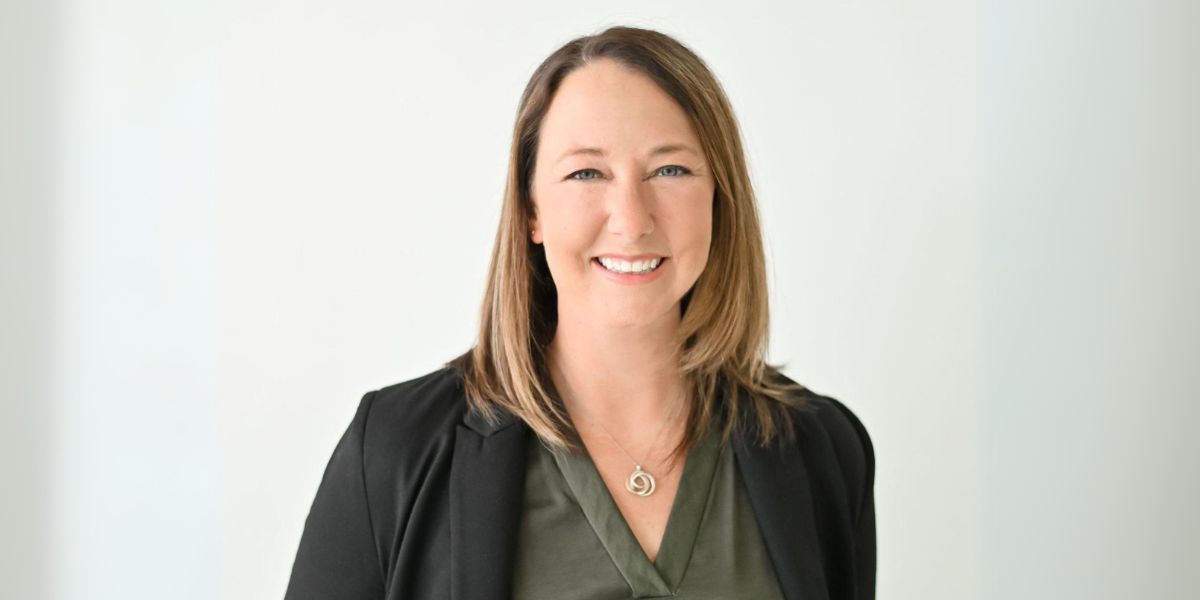
Across the country, concrete is being poured, bridges are being rebuilt, and roads are expanding as the U.S. enters a transformative era of infrastructure investment. Beneath the steel and asphalt, however, there lies another foundation — one built on equity, inclusion, and opportunity. Danica Mason, founder and president of Red Team Go (RTG), believes that the foundation must include women, BIPOC, and small business owners who have historically been seen as subcontractors rather than stakeholders. “This is an important moment,” Mason says. “We’re investing billions into our infrastructure. If we don’t use this opportunity to scale small businesses and diversify the industry now, it could be much harder to achieve later.”
Mason is no stranger to being the only woman in the room. When she began her career in heavy civil engineering over 20 years ago, women in leadership roles were rare, and in construction meetings, even rarer. “There were years where I was the only woman at the table, not in an HR or admin role, but in technical leadership,” she recalls. “I had to work harder just to prove I belonged.”
That uphill climb is a familiar experience for many small and disadvantaged businesses, particularly those certified as women-owned, minority-owned, or veteran-owned under the DBE and SBE programs attached to federal and state-funded projects. These businesses are often perceived as underdogs, and as Mason puts it, “That perception pushes you to perform with excellence because you know you won’t get a second chance.”
Red Team Go was founded with the intention of addressing this imbalance. Now entering its 15th year, RTG specializes in helping public and private sector clients meet their diversity and civil rights obligations, not as mere box-checking exercises but as steps toward meaningful change. “Equity should be an integral part of how we build,” says the award-winning founder.
In an industry still predominantly led by men, she’s helping redefine what leadership looks like. “There are more women in meaningful roles today—project managers, construction managers, engineers,” she says. “That shift from just being in support roles to being in leadership positions matters. But I believe there is still much work to be done.”
One of RTG’s key strategies is educating large prime contractors about why these inclusion goals are so important. “Too often, procurement teams just see a number they need to hit. They don’t fully understand the history or the systemic barriers these programs are trying to correct,” Mason explains. “We’ve done lunch-and-learns, workshops, and more to help shift that mindset.”
Mason believes this shift is not only necessary but also advantageous for businesses. Diverse perspectives can bring innovative solutions. “There’s a hunger among small businesses to get it right the first time,” she says. “That’s where quality comes from. And that’s where innovation thrives.”
RTG has brought this innovation to even the most specialized scopes. Mason recalls one instance where a contractor had exhausted all in-state quality audit firms. RTG stepped in and sourced two out-of-state certified businesses, one BIPOC-owned and one woman-owned, to fill the gap. “But this was not about checking a diversity box,” she explains. “It was about showing how these businesses can and will deliver quality results, regardless of their size, gender, or any other form of diversity.”
This is the deeper impact of RTG’s work: turning a single opportunity into a runway for growth. “The goal is to help small businesses scale. To turn that one contract into a team, then into a legacy,” Mason says. “I’ve had people recognize my potential along the way. Now it’s about making sure others are seen as well.”
Her legacy? Working to make equity a more common standard in the industry, not just an exception. Whether through education, proposal development, or matchmaking between small firms and larger players, RTG is helping reshape the narrative around who gets to build America’s future. “We’re not just building roads and bridges. We’re building careers, communities, and companies,” Mason concludes.
Published by Jeremy S.