

Managing pipelines efficiently is important for manufacturing, construction, oil and gas, and water supply industries. But what makes pipeline management smooth and effective? How can industries ensure the best performance without unnecessary maintenance or downtime? Here’s a look at the best practices for handling liquid, water, and air pipelines in different sectors.
Understanding Pipeline Management
Pipelines play a key role in moving liquids, water, and air from one place to another. Whether it’s for delivering clean water, transporting oil, or maintaining air pressure in a system, components like a butterfly valve help regulate flow efficiently. Pipelines need regular care, and good management ensures safety, efficiency, and long-lasting performance.
Choosing the Right Materials for Pipelines
Selecting the right material is the first step in making pipelines last longer. Different industries require different materials based on pressure.
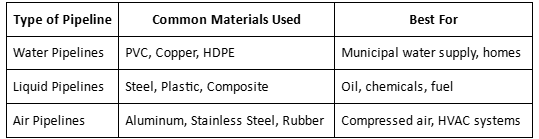
Using high-quality materials reduces the chances of leaks and corrosion. It also makes maintenance easier.
Regular Inspection and Maintenance
Pipelines work well when they are checked regularly. Small leaks or cracks, if ignored, can lead to larger problems later. Industries use different techniques to inspect pipelines, such as:
- Visual checks to spot rust, dents, or leaks
- Ultrasonic testing for hidden cracks
- Pressure testing to check for leaks in sealed systems
Preventing Clogs and Blockages
Blockages in pipelines slow down operations and may even lead to system failures. To avoid this, industries use:
- Filters to catch dirt and debris
- Cleaning techniques like flushing with water or air
- Chemical treatments for removing buildup in liquid pipelines
Smart Monitoring Systems
Technology has made pipeline management much easier. Many industries now use automated monitoring systems that check for pressure changes, temperature fluctuations, and flow rates. These systems send alerts if something unusual happens, allowing quick action before a problem grows. Some industries use sensors that collect data in real-time, helping predict maintenance needs and reduce downtime. Additionally, ball valves play a crucial role in controlling the flow of liquids and gases, ensuring smooth and efficient operations.
Proper Installation Techniques
Good installation ensures pipelines work without frequent repairs. Some key factors to keep in mind include:
- Making sure pipes are aligned correctly
- Using the right type of joints and fittings
- Keeping pipes at a proper depth to prevent external damage
- Allowing space for expansion and contraction, especially in extreme temperatures
Following the right installation process reduces stress on the system and improves efficiency.
Protecting Pipelines from External Damage
Pipelines need protection from outside factors like weather, temperature changes, and physical impact. Some simple steps to keep pipelines safe include:
- Using coatings to prevent rust and corrosion
- Installing protective covers in high-traffic areas
- Keeping underground pipelines well-marked to avoid accidental digging
Efficient Energy Use in Pipeline Systems
Pipelines that carry air or liquid require energy to maintain flow. Industries focus on energy efficiency by:
- Using energy-saving pumps and compressors
- Reducing leaks to avoid unnecessary energy loss
- Optimizing pipeline design for smooth flow
These measures help in reducing operational costs while ensuring uninterrupted service.
Training and Safety Measures
Workers handling pipelines should have proper training to operate and maintain them. Some essential safety measures include:
- Wearing protective gear
- Following correct procedures for handling high-pressure systems
- Being aware of emergency shutdown processes
Regular training sessions keep workers informed and prepared for any unexpected situations.
Industry-Specific Considerations
Different industries have unique needs when it comes to pipeline management.
Water Industry
Municipal water supply systems require pipelines that resist contamination and leaks. Regular quality checks ensure clean and safe drinking water for the public.
Manufacturing and HVAC
Compressed air pipelines in manufacturing and HVAC systems should be well-maintained to avoid pressure loss and ensure smooth operation.
Final Thoughts
Managing pipelines the right way keeps industries running smoothly. Regular maintenance, good material choices, and the use of smart technology all play a big role in ensuring pipeline systems work efficiently. With the right practices in place, industries can prevent issues, save costs, and ensure a reliable supply of water, liquids, and air
Published by Zane L.