
By: Anna Whitman
Many professionals spend years building a life that looks exactly the way they once imagined it would.
They pursue careers, raise families, support others, achieve goals, and check the boxes they were taught would lead to happiness and fulfillment. From the outside, everything appears successful. Yet for many, there comes a moment when they find themselves asking a difficult question:
Is this all there is?
According to Dr. Makeba Morgan Hill, that question is often the beginning of something important.
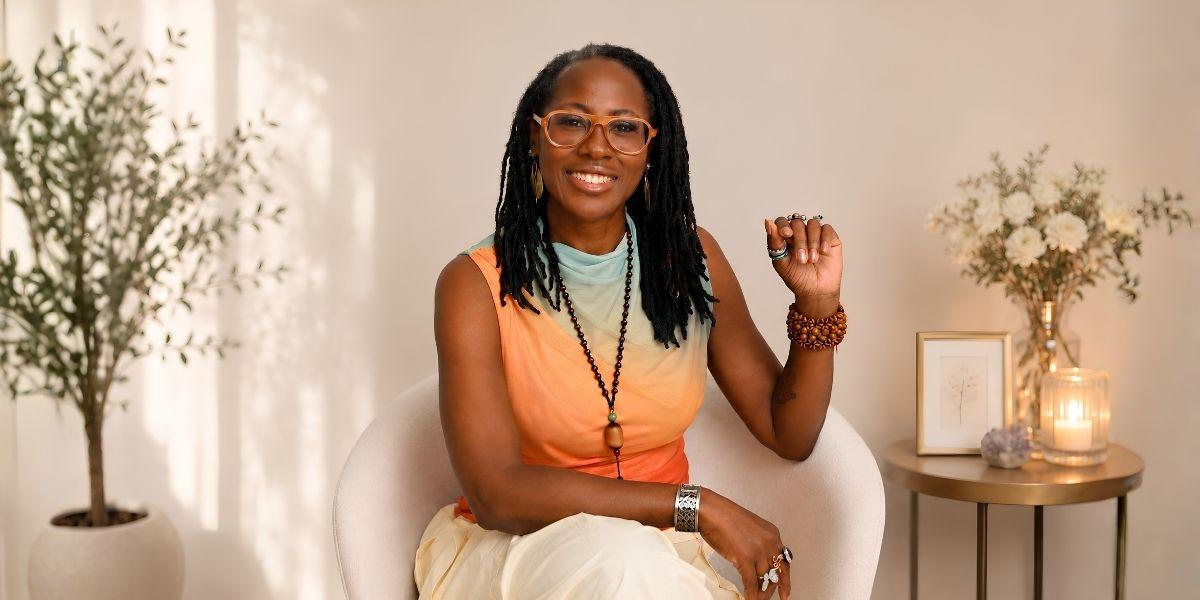
After more than 25 years in executive leadership, she knows that achievement alone doesn’t always create fulfillment. Today, as the founder of Dr. Makeba & Friends, LLC, she helps her clients navigate transitions and create lives aligned with purpose, peace, and authenticity.
She believes many people are not experiencing failure when they begin questioning their lives. They are experiencing growth.
When Success Stops Feeling Like Enough
For many high-achieving executives, the realization comes quietly.
The career may be successful. The family may be thriving. The accomplishments may be significant. Yet something feels different from what was expected.
Dr. Makeba says, “Many professionals reach a point where they’ve achieved the things they once worked so hard for, only to discover they don’t feel the way they had expected once they reach their milestones. That can be confusing because from the outside, everything looks fine.”
Rather than viewing this experience as a problem to solve, she encourages her clients to see it as an invitation to pause and reflect.
She explains, “Sometimes the discomfort isn’t telling you that you’ve failed. It’s telling you that you’ve changed.”
As we grow and evolve, priorities often shift. What once felt meaningful may no longer fit. Dreams that once inspired them may no longer reflect who they have become.
According to Dr. Makeba, this is not a sign that something is wrong. It is often a sign that a new chapter is beginning.
The Courage to Trust Yourself Again
One of the greatest challenges executives face during periods of transition is learning to trust themselves.
Many have spent years meeting expectations, guiding and supporting others, and seeking validation from external sources. In the process, they may lose touch with their own inner voice.
Dr. Makeba adds, “We are often taught to look outside ourselves for answers. We look to other people, institutions, titles, and accomplishments to tell us who we are. Eventually, life asks us to develop a different kind of relationship with ourselves.”
Whether the transition involves a career change, the end of a relationship, children leaving home, or a spiritual awakening, self-trust becomes essential. It doesn’t mean you have all the answers. It means you’re willing to listen to yourself and honor what you know to be true, even when the path ahead isn’t completely clear.
She believes that we already possess the wisdom we are seeking. The challenge is creating enough space to hear it.
Outgrowing Old Definitions of Success
Dr. Makeba understands this journey personally.
After spending more than two decades in executive leadership, she found herself increasingly drawn to questions that traditional success could not answer. She became fascinated by the connection between well-being, purpose, and the way people experience their lives.
Those experiences ultimately led her to create work centered on whole-person wellness, personal transformation, and helping others reconnect with what matters most.
Dr. Makeba explains, “For many years, success was largely defined by achievement. Today, I believe success is about alignment. It’s about creating a life that reflects your values, your purpose, and who you truly are.”
This shift often requires us to release outdated beliefs about who we are supposed to be.
It may mean setting new boundaries, pursuing a different path, or making choices that no longer revolve around meeting everyone else’s expectations.
While those decisions can feel uncomfortable, Dr. Makeba believes they often lead to greater freedom.
Blooming in Any Season
The theme of growth and reinvention appears throughout Dr. Makeba’s book, Bloom in Any Season.
At its core is the belief that there is no age limit, deadline, or perfect timeline for becoming more fully yourself.
Dr. Makeba explains, “Many people believe they’ve missed their opportunity or that it’s too late to make a change. I don’t believe that. I believe every season of life offers an opportunity for growth.”
She encourages her clients to approach change with curiosity rather than fear.
After all, growth rarely asks permission before it arrives.
Sometimes it appears as a quiet longing for something more. Sometimes it arrives through unexpected life circumstances. Sometimes it begins with a simple realization that the life you once wanted no longer reflects who you are today.
For Dr. Makeba, that realization is not an ending. It’s an invitation.
She believes many professionals aren’t experiencing a breakdown when they begin questioning their lives. They are experiencing an awakening.
And often, the next chapter begins not by becoming someone new, but by remembering who they were all along. For many, that may be the most important transformation of all.
To learn more about Dr. Makeba Morgan Hill’s work helping individuals and teams create lives rooted in purpose, peace, and self-trust, visit DrMakeba4Love.com or connect with her on LinkedIn.
Disclaimer: This article is for informational and inspirational purposes only. It should not be taken as medical, mental health, spiritual, legal, financial, or professional advice. Readers experiencing emotional distress, major life transitions, or mental health concerns should seek support from a qualified professional. Any references to personal growth, wellness, leadership, or transformation reflect general perspectives and should not be interpreted as guaranteed outcomes. Readers are encouraged to make decisions based on their own circumstances and consult appropriate professionals when needed.