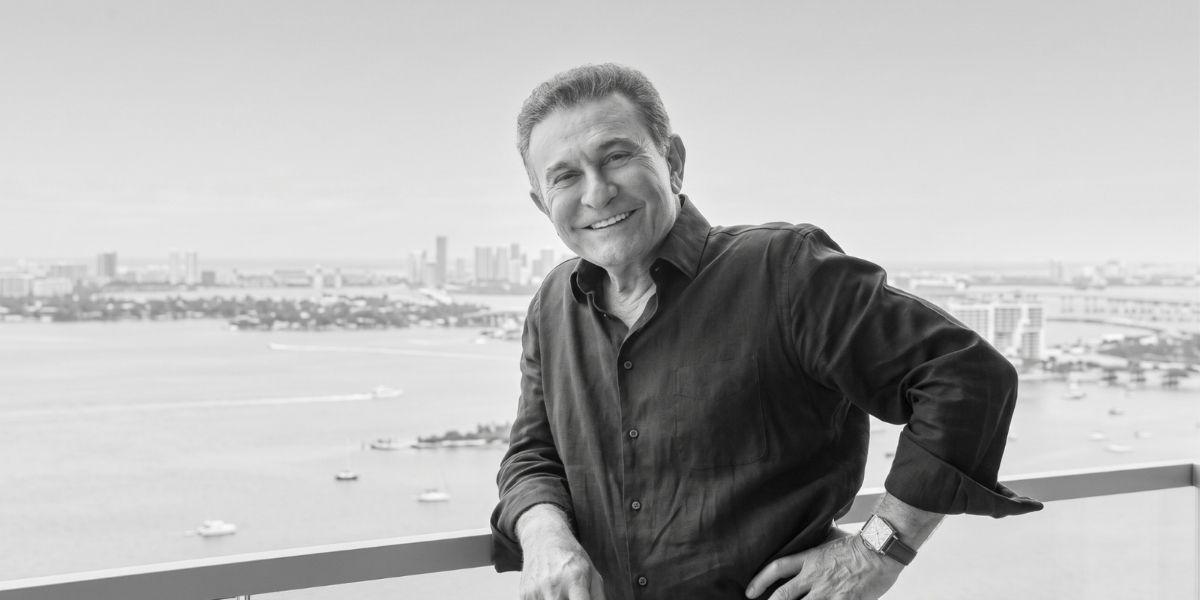

Miami has no shortage of spectacular waterfront estates. The city’s luxury real estate market is defined by architectural ambition, record-setting sales, and buyers with access to virtually anything they want. Yet for developer Michael Nouri, the next era of luxury is not about simply building something larger or more expensive.
It is about creating something impossible to replicate.
That philosophy is at the center of Miragrace, Nouri’s latest waterfront estate in Miami’s prestigious Belle Meade neighborhood. Positioned at the top end of the city’s waterfront market, the Japanese-inspired residence represents a more experiential approach to high-end development, one centered on wellness, craftsmanship, emotion, and a deeper connection between architecture and nature.
Rather than approaching the property as another modern waterfront mansion, Nouri envisioned Miragrace as a private sanctuary and a curated residential experience.
Drawing inspiration from Japanese architecture and Zen design principles, the estate incorporates natural light, water, landscaping, and carefully considered materials throughout the home. The result is a residence intended to feel both impressive and restorative.
One of the defining features at the center of Miragrace is a private indoor garden designed as a place for reflection. Above the space, a custom starlight ceiling creates the sensation of standing beneath an open night sky, introducing an unexpected sense of calm and immersion inside the residence.
That connection to wellness continues throughout the property.
Miragrace includes a dedicated private spa and fitness pavilion surrounded by cascading waterfalls. An open-air ceiling brings natural elements directly into the space, creating an environment that intentionally blurs the boundaries between indoors and outdoors. Rather than treating wellness as another amenity on a checklist, the residence incorporates it into the architecture itself.
For Nouri, that distinction reflects how the expectations of ultra-luxury buyers are changing.
“Today’s luxury buyer isn’t simply looking for a large house,” Nouri says. “They’re looking for something they cannot recreate. They want a property that feels meaningful, with spirit and personality, and something that is truly memorable and one of a kind.”
That philosophy is also evident in one of Miragrace’s most unconventional features.
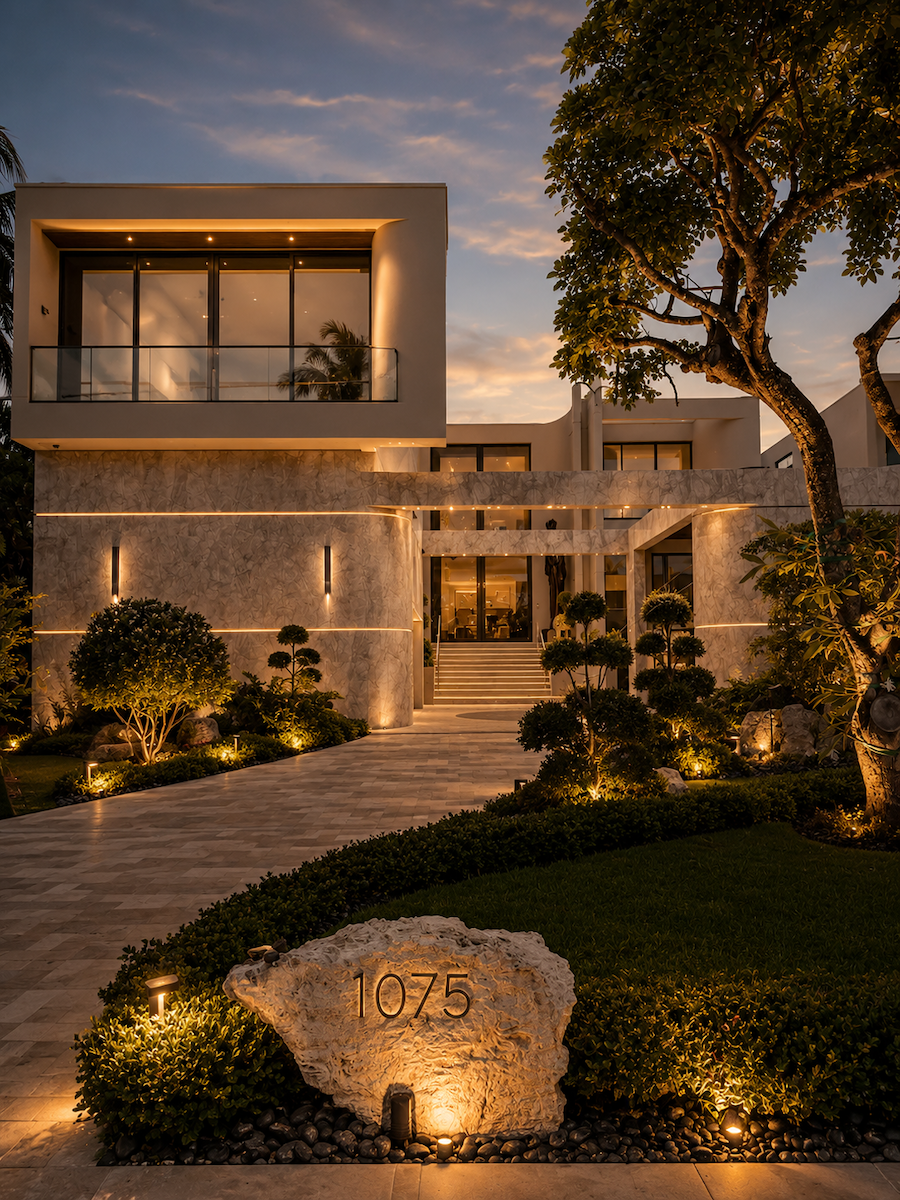
For automotive collectors and enthusiasts, the estate incorporates a custom-designed garage experience highlighted by a rotating automotive display system. A motorized turntable integrated into the driveway can position and showcase vehicles in a manner more reminiscent of an exclusive automotive gallery than a conventional residential garage.
It transforms even the arrival experience into part of the property’s identity.
That attention to experiential detail has become an important part of Nouri’s development approach. While much of Miami’s luxury market continues to emphasize square footage, waterfront frontage, and amenity counts, he is increasingly focused on a different question. How will someone feel when they live there?
That question also reveals something larger about Nouri’s approach as a developer. He is not simply thinking about a residence as a collection of rooms or features. The architecture, landscaping, wellness spaces, lighting, water elements, and arrival experience are intended to work together as one cohesive story. In that sense, Miragrace reflects a leadership philosophy built around intentionality, the belief that the smallest details can shape the way people experience an entire property.
For developers operating at the highest end of the market, that kind of thinking is becoming increasingly important. When buyers already have access to premium materials, expansive floor plans, waterfront views, and sophisticated technology, traditional markers of luxury alone may no longer be enough to make a residence unforgettable. Nouri’s answer is to focus on individuality and emotional connection, creating a home with a distinct point of view rather than one designed to follow a familiar formula.
It is a subtle shift, but one that could become increasingly important as affluent buyers search for residences that feel personalized rather than interchangeable. Miragrace is therefore more than a showcase for a single development. It offers a window into the kind of work Nouri wants his name associated with: properties where architecture is approached as an experience and where exclusivity comes from originality rather than excess alone.
In a market where new multimillion-dollar homes are continually introduced, differentiation is becoming as valuable as luxury itself. Buyers at the highest end of the market are doing more than acquiring real estate. They are collecting architecture, design, experiences, and stories.
Miragrace was conceived with that buyer in mind.
For Nouri, the goal is not simply to create another impressive Miami residence. It is to build properties with identities strong enough to remain memorable long after the next record-breaking mansion enters the market. That requires a different measure of success. The question is whether a home can command attention when it enters the market, and whether its design and identity can remain distinctive years later.
Another waterfront estate will inevitably be built.
There will only ever be one Miragrace.
And that, Nouri believes, is where the future of luxury real estate is heading. Homes are no longer simply owned. They are experienced, remembered, and ultimately regarded as part of a private collection.