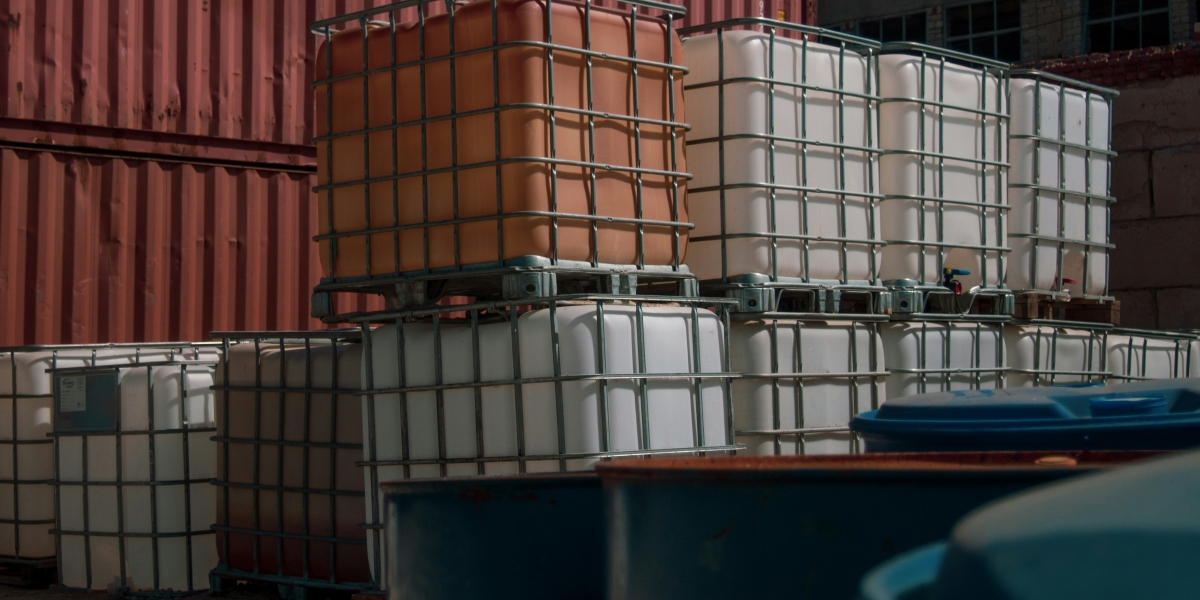

Bulk fluid transfers become harder to control when different sites, operators, and products rely on different equipment, connection methods, and handling routines. Standardisation gives you a more consistent way to manage each transfer, helping to reduce avoidable errors, simplify training, and improve control over how liquids move between storage, transport, and processing points. The aim is not to make every transfer identical, but to establish repeatable systems that can be adapted safely to different fluids and operating conditions.
Standardise the Equipment Used for Transfers
A consistent equipment specification gives you a practical starting point. Where possible, you can standardise container sizes, outlet configurations, hoses, valves, pumps and dispensing connections so operators encounter familiar components from one transfer point to another. This reduces unnecessary variation while making replacement parts and maintenance easier to manage.
When reviewing equipment for a more consistent transfer system, you might source intermediate bulk containers and associated liquid handling equipment through suppliers like Tank Management Australia, storage and dispensing equipment specialists. Your final selection should still reflect the chemical compatibility, operating pressure, flow rate, and containment requirements of each application.
Use Consistent Connection Types
Connection points are a common source of delays because incompatible fittings may require adaptors or changes before a transfer can begin. Selecting a defined range of couplings, valves and hose fittings can make set-up faster and reduce the chance of connecting equipment incorrectly.
You should also consider whether particular products require dedicated connections to prevent cross-contamination. Standardisation does not necessarily mean using one fitting for every fluid. It can instead mean establishing a controlled connection standard for each product group and applying it consistently across relevant equipment.
Define a Repeatable Transfer Procedure
Equipment alone will not create a standardised process. You need a clear transfer sequence that operators can follow each time. This can cover pre-transfer checks, hose connection, valve positioning, pump start-up, monitoring, shutdown and disconnection.
A defined procedure makes it easier to identify where problems occur because each transfer follows the same basic sequence. It also supports more consistent operator training and reduces reliance on individual habits that may differ between shifts or locations.
Match Containers to Fluid Requirements
Standardisation is most effective when your container fleet is planned around the liquids you actually handle. Plastic intermediate bulk containers, commonly known as IBCs, may suit many industrial and agricultural liquids, while stainless steel units may be more appropriate where greater durability, temperature resistance or specific material compatibility is required.
Grouping compatible fluids around defined container specifications can simplify storage, handling and transfer preparation. You can also establish rules covering which containers may be reused, how they are identified and what inspection is required before they return to service.
Build Spill Control Into the Standard
A repeatable transfer system should include secondary containment rather than treating spill control as a separate activity. Bunds, drip trays and spill pallets can help contain leaks that occur while liquids are stored or while hoses are connected, disconnected or operating. Spill pallets are specifically designed as secondary containment for liquid containers, including IBCs, making the term particularly relevant to bulk fluid handling.
You should determine containment requirements alongside container capacity and transfer volume. Using consistent containment arrangements across similar transfer points makes site expectations clearer and helps operators recognise when a work area is not correctly prepared before liquid movement begins.
Make Inspection Part of Every Transfer
Standardised inspections help you identify damaged equipment before it affects the transfer. You can define routine checks for hoses, seals, valves, container outlets, pumps and containment equipment before operations begin.
Recording recurring defects can also reveal whether particular components are wearing prematurely or being used outside their intended conditions. Over time, this information allows you to refine equipment specifications and maintenance intervals rather than responding only after failures occur.
Create a System Operators Can Repeat
Bulk fluid transfer standardisation works best when equipment, connections, procedures, containment and inspection practices support one another. By reducing unnecessary variation while still allowing for differences in fluid properties and operating conditions, you can create a transfer process that is easier to train, supervise and maintain. A well-designed standard gives your team a clear framework to follow while leaving enough flexibility to handle different liquids safely and efficiently.