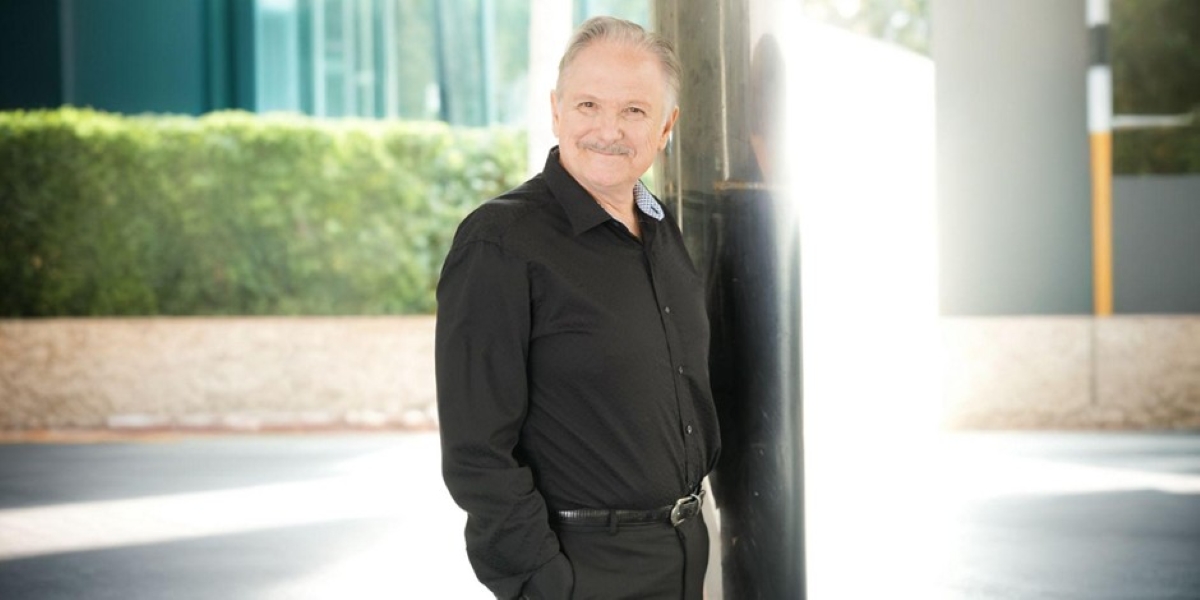
For years, veteran leadership has been present in the business world quietly. Lisa Ducharme knows this better than most, and she decided to do something about it. A retired U.S. Air Force veteran, bestselling and award-winning author, and Executive Director of the Massachusetts Veterans Chamber of Commerce, Ducharme has emerged as one of the most compelling voices in a conversation few were having: why America cannot afford to lose its veteran-owned businesses.
The idea sharpened during what should have been a celebratory moment. While attending a Military Influencer Conference in 2024, Ducharme expected to hear buzz around National Veterans Small Business Week. Instead, she encountered silence. Veteran entrepreneurs in the room had little to no awareness that the initiative even existed. For Ducharme, this wasn’t just a marketing gap; it was a warning sign of something far more serious.

That silence mirrored trends she had been tracking for years. In Massachusetts alone, the number of veteran-owned businesses dropped from approximately 58,000 in 2012 to just over 8,000 by 2018. Nationally, the contrast is just as stark: nearly half of World War II veterans once owned businesses, compared to roughly five percent of post-9/11 veterans today. The tradition of veterans forming the backbone of America’s small business economy is eroding quietly and rapidly.
Ducharme’s motivation is both professional and deeply personal. She served 20 years in the U.S. Air Force in Personnel, including time at the Pentagon on September 11, 2001. She is the daughter of a retired Air Force Vietnam veteran and the mother of a retired Army veteran, representing generations of military service within her own family. Yet when she retired in 2006, she faced an unexpected reality: despite decades of leadership experience, she struggled to find meaningful work in civilian human resources.
Like many veterans, she found herself underemployed and undervalued. Transition programs taught her how to become a civilian and “employee-ready,” but not how to carry her veteran identity forward as a strength. Over time, Ducharme began to see the core issue clearly. The military spends years shaping leaders who thrive under pressure, make decisions with limited information, and operate with a mission-first mindset, only for that identity to be minimized or erased during civilian transition.
Rather than viewing veteran identity as something to overcome, Ducharme reframed it as a competitive advantage. Discipline, systems thinking, execution under stress, and collective leadership are not soft skills, she argues; they are the architecture of exceptional business leadership. This belief formed the foundation of her earlier bestselling book, Becoming a Veteran, which earned an International Impact Book Award and validated her sense that the conversation was overdue.
But she realized the message needed to go further. Veterans weren’t just running businesses; many were shaping systems, influencing policy, mentoring the next generation, and quietly multiplying opportunities for others. That realization led to her latest work, Becoming A Veteran Business Influencer: Why We Need Veteran Voices Leading Now. The book is both a practical guide and a call to action for veteran entrepreneurs ready to transform experience into visible, lasting influence.
At the same time, Ducharme was building something tangible. In 2022, she founded and self-funded the Massachusetts Veterans Chamber of Commerce, creating what she describes as a “Sea of Goodwill”, a coordinated ecosystem of more than 100 partner organizations working together to support veteran-owned businesses. Unlike fragmented support systems, this model focuses on connection, collaboration, and long-term sustainability.
A central theme of Ducharme’s work is the difference between influence and visibility. Many veteran business leaders create a measurable impact without ever being recognized as such. When their knowledge is not documented or shared, it disappears when they step away. Visibility, for Ducharme, is not about ego or personal branding; it is about preservation, proof, and scalability.
Despite moments of doubt, the response to her work has been affirming. When she reached out to veteran leaders to feature them as case studies, they didn’t push back. They recognized themselves in the language she was creating. What surprised her most was not how rare veteran business influencers were, but how many had been invisible all along.
Today, Ducharme’s vision extends far beyond one book or one state. She imagines a future where veteran entrepreneurship rises again, supported by transition programs that include entrepreneurship as a core pathway, not an afterthought. She envisions veteran identity being integrated into leadership development, policy discussions, and business education nationwide.
At its core, her mission is about legacy, not loss. By helping veterans see themselves as business influencers and by making that influence visible, Lisa Ducharme is working to ensure that decades of leadership, resilience, and institutional knowledge are not quietly left behind, but carried forward to build stronger businesses, communities, and futures.