
By: Natalie Johnson
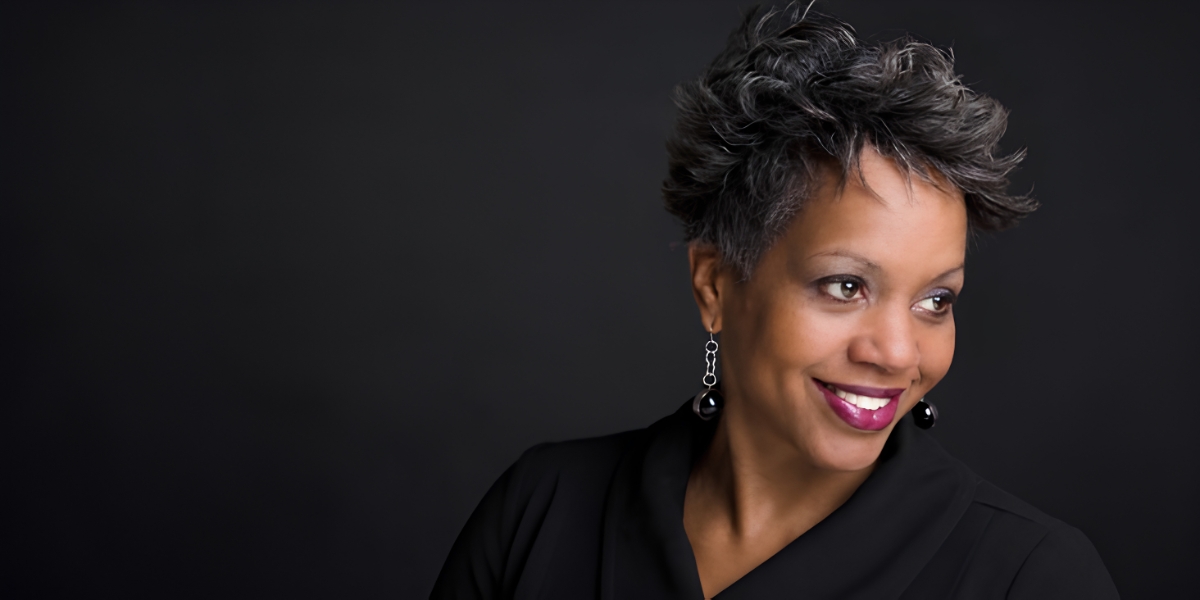
Larendee Roos, Founder and Chief Executive Officer (CEO) of Roos Advisors, focuses on the connection between performance, wellbeing, and the human dynamics that shape both. She argues that another factor is just as consequential: whether leaders understand the people responsible for delivering those results.
“The reason this happens is that we’re usually pretty good at figuring out whether we have the right people,” Roos says. “But one thing we skip before we even start recruiting is asking whether those people have the structure, clarity, and autonomy they need to succeed.”
The Conditions That Allow People to Perform
Hiring talented people is only the beginning. For Roos, human leadership starts with defining what success looks like in each role, clarifying its mission and establishing how it contributes to the wider organization. Leaders also need to determine how much autonomy employees should have and how frequently they should check in.
These fundamentals create what organizational psychology describes as psychological safety. Without them, even exceptional employees can become frustrated. Leaders may wrongly conclude they hired the wrong person. The challenge is that these gaps are easy for CEOs to overlook. “Often CEOs believe that they’re communicating clearly, that they’re empowering their teams,” Roos says. But closer examination often reveals a disconnect between what leaders think they’re creating and what employees are actually experiencing.
Turning Leadership Blind Spots Into Self-Awareness
Those gaps often emerge from differences in working and communication styles. Roos uses the Dominance, Influence, Steadiness, and Conscientiousness (DiSC) assessment to help executives understand how those differences affect team dynamics and expose leadership blind spots.
A highly directive leader, for example, may see decisiveness as a strength. But overused, that same strength can undermine a more collaborative employee. “Decisiveness is good, but it can also be interpreted as impatience,” Roos says. “And high standards can often translate into micromanagement.”
Building self-aware teams requires leaders to recognize when their strengths have become liabilities. The goal is not to change a CEO’s personality, but to make their behavior more intentional. That can mean relinquishing control, having difficult conversations, and giving employees genuine ownership rather than simply delegating tasks. For Roos, delegation becomes empowerment when leaders trust the decisions they made during hiring and give people room to demonstrate their capabilities.
Why Connection Matters at Scale
Human leadership also requires something that can become harder as organizations grow: genuine connection. Roos believes CEOs need to remain personally available and willing to be vulnerable, particularly when burnout and disengagement threaten team cohesion.
That vulnerability can be practical. Meaningful one-on-ones, recognition of employee contributions, and an openness about mistakes can create stronger trust-based cultures. “Human-centered leadership is less about creating more touch points, and it’s more about creating better ones,” Roos says.
That principle extends to the leader themselves. Self-awareness makes vulnerability easier because executives become more comfortable acknowledging both strengths and weaknesses. For founders and CEOs who often feel they must carry the company alone, that shift can be significant.
Designing the Workforce for What Comes Next
The human side of leadership is also changing as technology reshapes how organizations operate. AI and automation, hybrid and remote work, outsourced talent, and flatter management structures are changing not only how work gets done, but how leaders need to communicate and organize teams. Roos argues that CEOs must stay ahead of these shifts rather than delegate responsibility for understanding them. “We have to be the ones doing the research,” she says. “As CEO’s, we have to be the ones who are leading the charge by example.”
That makes human-centered leadership less about employee programs and more about workforce design. The competitive advantage, Roos argues, comes from aligning people, technology, and organizational structure without losing sight of the human beings within that system. Ultimately, her approach connects sustainable profitability with purpose, trust, and fulfillment. Strong organizations are not built by choosing between performance and wellbeing. They are built on the recognition that the two are connected.