
There is a particular frustration that builds inside organizations quietly and consistently. A talented professional delivers excellent work, hits every target, earns every positive performance review, and then watches someone else get promoted. Not because that person worked harder. Not because their results were better. But because something else was happening that nobody explained and nobody taught.
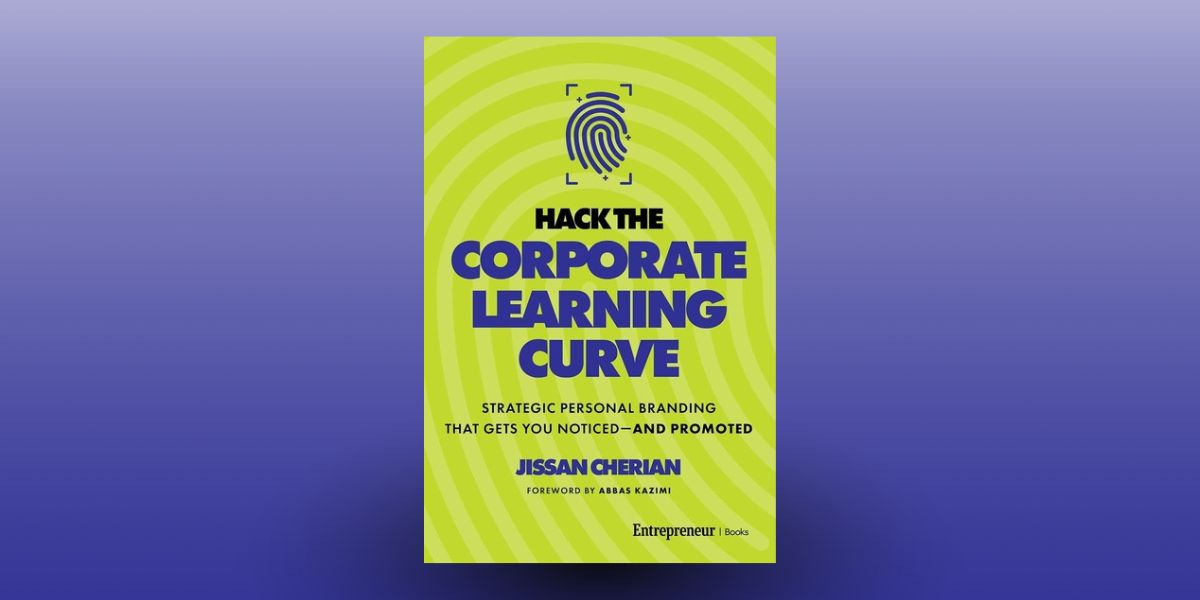
Jissan Cherian has spent a career spanning Microsoft, Deloitte, GSK Consumer Healthcare, and Haleon watching that pattern repeat itself across continents, industries, and organizational levels. And he has spent the past several years turning everything he learned from it into Hack the Corporate Learning Curve: Strategic Personal Branding That Gets You Noticed and Promoted.
The Rules Nobody Teaches
Jissan is careful about how he characterizes the unspoken rules of corporate advancement. He doesn’t believe organizations hide them intentionally. In most cases, leaders simply assume everyone understands expectations they’ve been navigating for years, expectations that were never written down because they were absorbed informally through observation, mentorship, and proximity to the right people.
Things like understanding enterprise priorities. Knowing who actually influences decisions. Building relationships across functions. Benchmarking yourself against the level above your current role rather than the one you’re already in. None of these appear in a job description. All of them have an enormous impact on who gets promoted and who doesn’t.
The people who benefit from this system are those who happen to have mentors, influential networks, or previous exposure to those unwritten expectations. Everyone else is left believing that hard work alone will be enough. And for most people, in most organizations, it isn’t.
What Vietnam Taught Him
Jissan traces the moment his own understanding shifted to early in his career, when he and his wife moved to Vietnam. He had only been working in marketing for about a year. Suddenly he was responsible for evaluating the launch of three brands in a market he barely knew.
What became clear very quickly was that his technical ability alone wasn’t going to determine whether he succeeded. He had to build trust with his manager, understand the culture, learn how decisions were made, and establish credibility before anyone had seen his results. That experience, of arriving somewhere new and having to earn the right to be heard before the work could speak for itself, shaped the framework he would spend the next decades refining.
Performance is essential, he says. But visibility and perception are what transform performance into opportunity.
The Corporate Trap
One of the most direct observations in the book is what Jissan calls the corporate trap, the belief that great work automatically speaks for itself. It’s the invisible force that turns high performers invisible inside their own organizations.
Organizations don’t evaluate performance in isolation. They’re also evaluating how someone collaborates, how they communicate, whether others trust them, and whether leaders understand the unique value they bring. A professional who puts their head down, delivers excellent work, and stays quiet unintentionally makes themselves difficult to differentiate from equally capable peers.
Visibility, Jissan is careful to clarify, isn’t self-promotion. It’s making sure contributions have the opportunity to be seen. That distinction matters enormously, especially for professionals whose instinct is to let the work do the talking while the talking is actually what determines what happens next.
A Framework For Every Stage
The book introduces five Career Personas, each representing a different stage of personal brand awareness and each requiring a different set of strategies. The insight behind the framework is simple and practical. Someone starting a new role isn’t trying to solve the same problem as someone preparing for executive leadership. Generic advice fails both of them. Persona-specific advice actually moves people forward.
What most professionals discover when they take the Personalized Career Persona Assessment is that they’ve been solving the wrong problem. They assume they need another certification or another year of experience. In reality, they often already have the capability. What they’re missing is visibility, strategic relationships, or clarity about how their organization evaluates talent. That realization, Jissan says, is surprisingly freeing. It shifts the conversation from how to work harder to how to become more intentional.
If you’ve been delivering great work and wondering why it isn’t translating into the opportunities you’ve earned, Hack the Corporate Learning Curve by Jissan Cherian is available now on Amazon. The rules exist. Nobody taught them to you. This book does.