
By: German Garcia
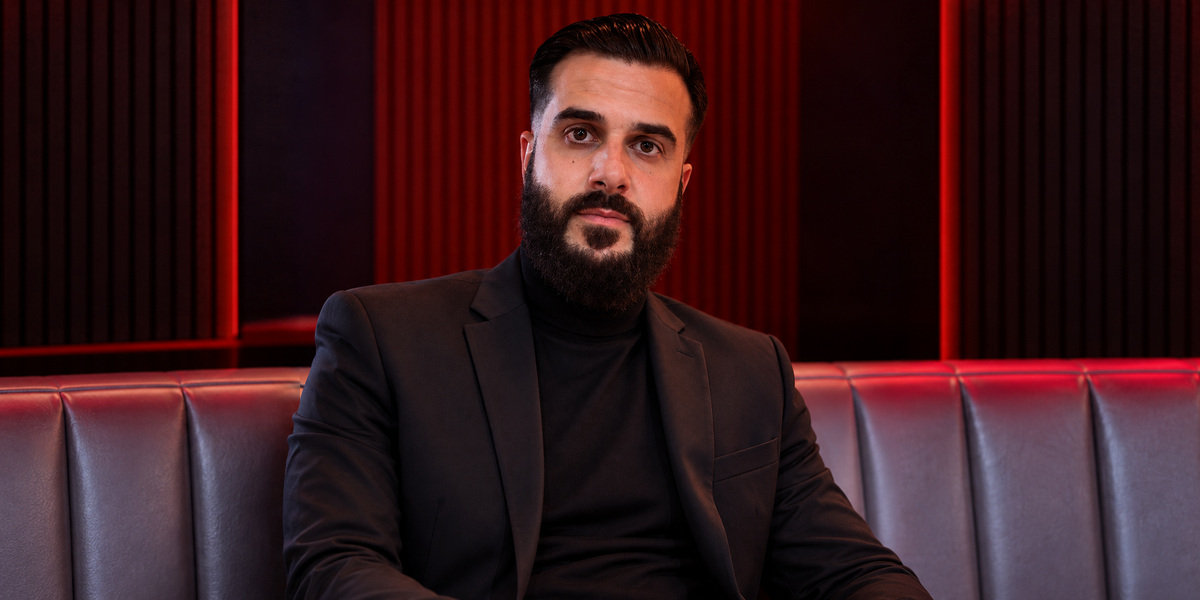
When organizations fail at execution, it often comes down to a sound strategy but broken implementation. Javier Castillo Gil has spent his career challenging that conclusion. The execution, in his view, is rarely where the failure originates. It is simply where it becomes visible. Castillo Gil, a management consultant and executive advisor who works with C-suite teams across industries, has a more precise and more uncomfortable account of what is actually happening in those rooms. “It looks like an execution problem,” Castillo Gil states. “But it’s a misalignment problem.”
Every Leader Leaves the Room With a Different Strategy
When a leadership team agrees on a strategy and disperses, each C-suite member walks out carrying a different interpretation filtered through their functional lens. The chief operating officer (COO) reads it operationally. The chief human resources officer (CHRO) reads it through a people lens. The chief financial officer (CFO) reads it through the cost. The document is the same. The versions of it that each executive carries back to their teams are not the same. Those diverging interpretations become defended positions tied to functional identity rather than unified organizational direction, and the gap between them is where execution fractures.
True alignment requires the willingness to remove the functional hat and engage from a chief executive officer (CEO)-level perspective rather than a departmental one. It also requires leaders to explicitly verify that every person in the room understood the strategy the same way. A well-designed strategy document is not sufficient for that. People come from different backgrounds and hold different perceptions. Without deliberate verification, the assumption of shared understanding is often wrong.
The challenge lies in departmental trade-offs. When an organizational goal is set, some functions will inevitably need to sacrifice something to achieve it. The classic tension between sales and production illustrates it clearly: sales pushes to maximize volume, production prioritizes delivery certainty and quality control. Without explicit clarity on which strategic priority takes precedence, each department defaults to its own interpretation and defends it as strategy.
Harmony Is Not Alignment, and the Confusion Will Destroy Teams
The most dangerous dynamic Castillo Gil observes in executive teams is not open conflict. It is the absence of it. Teams that avoid difficult conversations often convince themselves they are aligned because there is no friction. Decisions go unchallenged, disagreements go unexpressed, and a comfortable equilibrium forms, quietly killing the organization’s ability to execute.
Within the first 10 minutes of an executive meeting, misalignment is already visible to someone who knows what to look for. Who speaks and who stays silent. Which members disengage when topics fall outside their functional area? Whether decisions that conflict with agreed-upon strategic priorities are challenged or allowed to pass.
Castillo Gil watches for the absence of courageous contradiction, specifically, the moments when someone in the room knows a decision is wrong but says nothing. “Most teams have quietly agreed not to challenge one another,” he observes. That agreement is not alignment. It is the conditions under which alignment slowly collapses.
Over time, people in these environments begin to see the gap between strategy and reality but feel conditioned not to name it. They disengage, comply without committing, and show up without contributing. The culture drifts, and because the numbers remain acceptable in the short term, no alarm sounds until the damage is already structural. The teams most at risk are not the ones having hard conversations. They are the ones mistaking the absence of conflict for health.
Speed and technology have made this more urgent, not because they create misalignment, but because they remove the hiding places. Feedback cycles that once took months now take days. What previously could remain concealed until a quarterly review now surfaces publicly within hours. Organizations that built comfortable agreement rather than genuine alignment will find that acceleration simply reveals what was always there.
Follow Javier Castillo Gil on LinkedIn for more insights on executive alignment, strategy execution, and building the leadership cultures that hold together when pressure arrives.