
By: Natalie Johnson
Companies have long assumed that transformative leadership requires a full-time executive. Jason Slattum argues that the assumption no longer reflects how many growing businesses operate. As experienced executives seek greater flexibility and early-stage companies face increasing pressure to scale efficiently, fractional leadership has become a practical way to access senior expertise without the cost of a permanent executive hire.
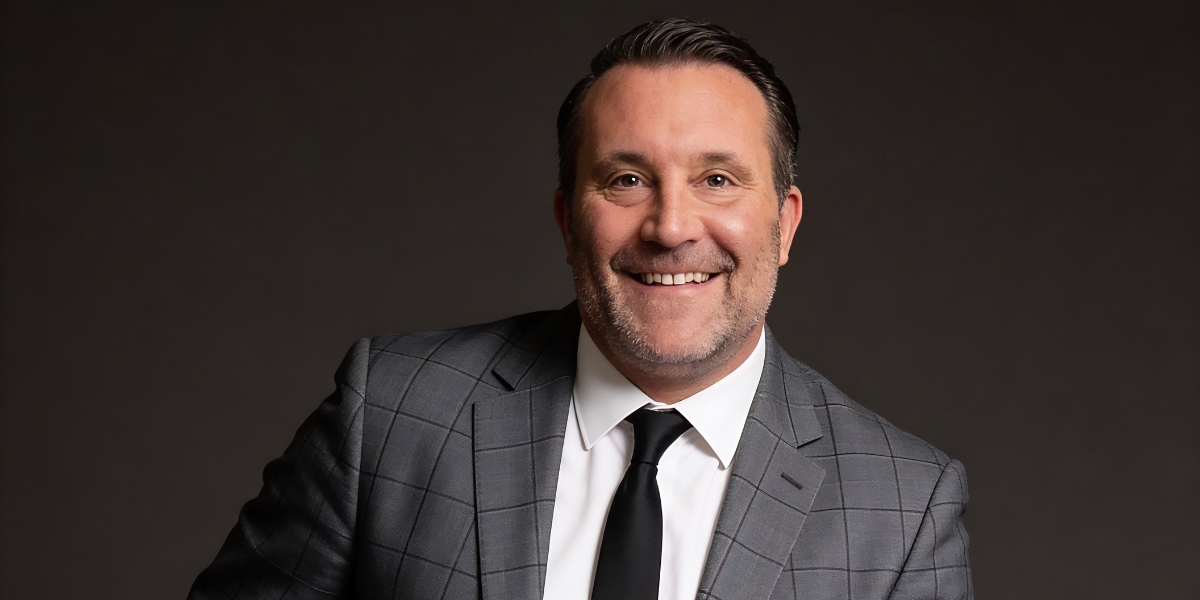
“There is this absolute wealth of knowledge that’s available,” Slattum says. “You can get someone’s vast experience one or two days a week, and think about the huge lift you can get.” As CoFounder of Slatt Consulting and a Fractional Chief Revenue Officer (CRO), Slattum has built his approach around the conviction that businesses can accelerate revenue growth, strengthen their go-to-market (GTM) strategy, and build scalable operations by bringing in experienced executives for focused periods of transformation.
Fractional Leadership Is Reshaping Growth
The case for fractional leadership is becoming stronger as businesses balance ambitious growth targets with tighter budgets. Hiring an executive with decades of Fortune 100 experience often exceeds the financial reach of an early-stage company, yet the need for experienced sales leadership, board advisory, and executive coaching has never been greater.
“A successful track record for 20 or 30 years, a day or two a week versus someone that’s significantly less experienced learning on the job…what do you think is going to have more impact?” This model allows organizations to invest capital where it matters most, while still benefiting from seasoned decision-making.
Building a Revenue Engine That Increases Enterprise Value
For Slattum, the role of a Fractional CRO extends far beyond managing sales teams. The objective is to create a repeatable revenue engine capable of supporting long-term growth and improving exit multiples. Many founders naturally become their company’s strongest salesperson because they know the product better than anyone else. That advantage, however, eventually becomes a limitation.
“You can’t be your best salesperson,” Slattum says. “You can still be on the most critical sales calls. But if you want to scale this thing, you have to step away from that and build the expertise among your sales team.” This shift represents one of the most important components of enterprise GTM strategy. Investors and acquirers are not simply evaluating current revenue. They want confidence that growth continues independently of the founder.
A scalable GTM strategy creates repeatable processes, develops leadership throughout the organization, and demonstrates that future revenue does not depend on one individual. That foundation ultimately plays a significant role in justifying premium exit multiples through GTM maturity.
Fractional Leadership Is Ownership, Not Consulting
Slattum is careful to distinguish fractional leadership versus full-time hires from traditional consulting. While consultants provide recommendations, fractional executives assume operational responsibility for execution and outcomes. “The first thing I tell the business owner is: do not label me as a consultant,” he explains. “I am your interim or your fractional CRO. I am an employee.”
A fractional executive owns performance, forecasting, and execution alongside the leadership team rather than remaining an outside advisor. “You get to hold me accountable,” Slattum says. “That number for your company is yours, but it’s also mine.” This ownership mindset allows fractional leadership to influence organizational behavior in ways that advisory engagements often cannot. Teams gain a decision-maker rather than simply another voice in the room, enabling faster execution and stronger alignment across sales leadership, GTM strategy, and operational priorities.
Part-Time Leadership Should Never Be Permanent
Perhaps Slattum’s most distinctive perspective is that the best fractional leaders are designed to become temporary. He describes the model as “part-time for a limited time.” Successful engagements begin with measurable goals and conclude with a planned transition. Once the revenue engine, leadership structure, and operating systems are established, responsibility should transfer smoothly to a permanent internal leader.
“If you’re good at fractional leadership, you have to have an offboard, and you have to have an off-ramp,” Slattum says. “When we’ve established the GTM strategy or the operational systems, then we’re going to take the keys to the Ferrari and hand it to someone else.” For companies seeking revenue growth without unnecessary overhead, the model offers access to proven expertise precisely when it matters most.
Follow Jason Slattum on LinkedIn or visit his website for insights on fractional leadership, revenue growth strategy, GTM execution, and building scalable operations that drive enterprise value.