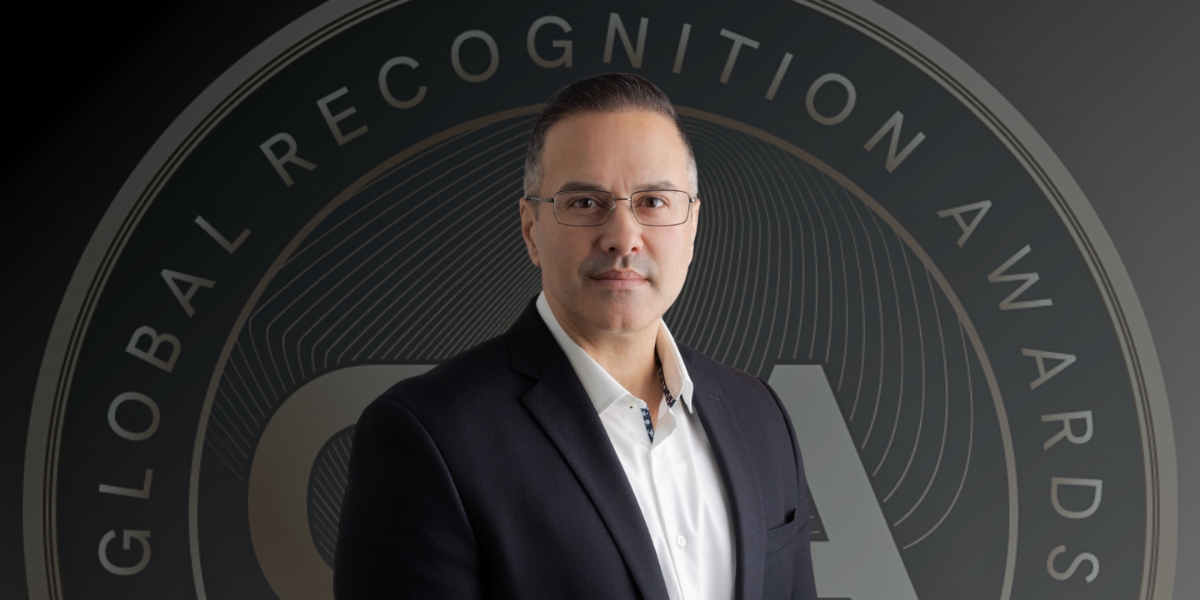


The environment and experiences of the architect very often determine their architecture. For most, this interest begins in their childhood, when initial exposure to construction sites and design aspects transforms their subsequent work. Isaac Cobo Displas, a renowned architect and designer, is one of those whose path to architecture was significantly shaped by his upbringing in Catalonia. Having grown up with a father who was a contractor, Cobo Displas spent his early years surrounded by construction sites, brick, and concrete. This immersive environment offered him first-hand experience of how spaces and structures are brought to life, instilling in him a deep appreciation for both the technical processes and the aesthetic potential of architecture.
Cobo Displas’ childhood in Catalonia was the inception of his deep passion for architecture. Catalonia, famous for its rich architectural history, has a setting of building, repairing, and design creativity. His surroundings at home in childhood times were the sources that gave him an idea of architecture, not as a career but as a combination of engineering and art. This initial exposure carried over into his advanced-level academic studies and career, creating a platform that would drive him toward architectural innovation.
Cobo Displas started his academic journey with a degree in industrial design engineering at Elisava Pompeu Fabra University, Barcelona. It was an early indication of his innate leaning towards design and engineering, which he would then proceed to translate into his career in architecture. The professional career of the architect was boosted when he transferred to study architecture in greater detail at the internationally renowned Architectural Association School of Architecture (AA) in London. The AA, renowned for its emphasis on experimental and innovative design, provided Cobo Displas with the ideal setting to enhance his architectural aspirations even further.
Aside from his architecture studies at the AA, Cobo Displas also earned his Master’s degree at the University of East London (UEL) under Mark Hayduk’s guidance. Hayduk, a man deeply influenced by the teachings of Peter Salter, gave Cobo Displas lessons that would shape his design and restoration work. This academic experience cemented Cobo Displas’s understanding of architecture as a dynamic entity where the harmonious balance of innovation and respect for tradition is paramount.
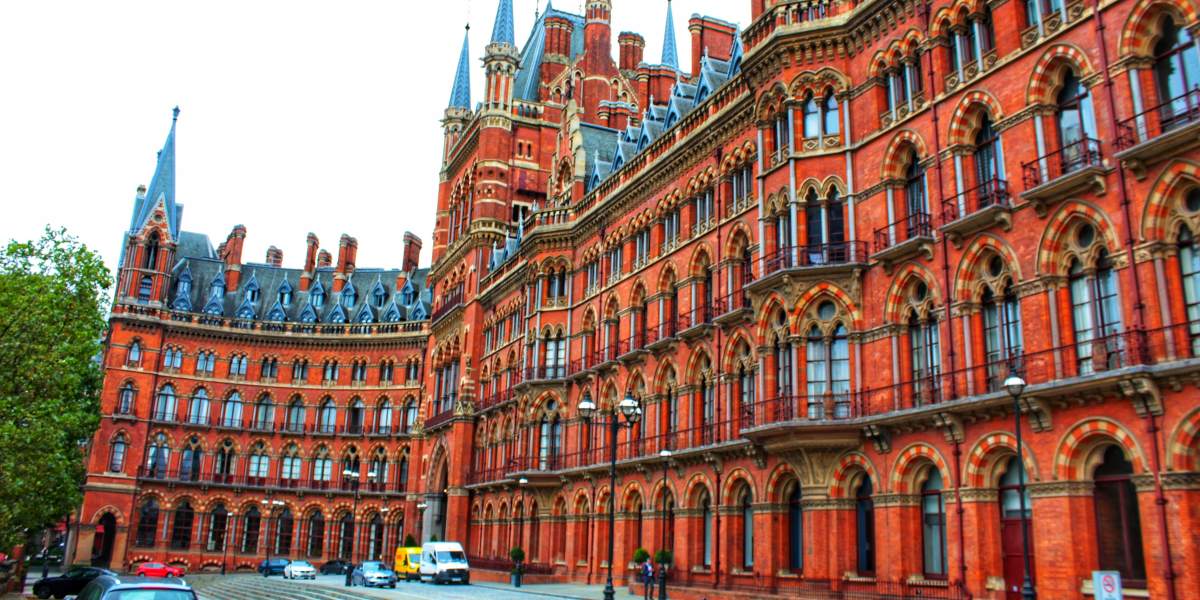
Throughout his career, Cobo Displas’s professional output was a testament to his expertise in the combination of contemporary design and conservation. One such highlight of his career was his time as the creative director of Manhattan Loft Corporation. It was through his association with the company that he led high-profile restoration projects like the restoration of London’s St. Pancras Station. St. Pancras Station, a Victorian icon building, was a challenge for Cobo Displas to maintain the historicity of the building while adding modern design elements. His input to this project was a reflection of his ability to pay homage to the past of the building while pushing the boundaries of design.
One of Cobo Displas’ most critical professional achievements came in 2008 when he and business partner Daniel Coll co-founded Cocoarchitects. The firm established itself in a short period of time as a firm producing forward-thinking architectural design, with the firm raking in award upon award for its innovative approach to space and form. The buildings of Cocoarchitects, which are usually characterized as bringing together sustainability, imagination, and functionality, represent Cobo Displas’s vision of architecture as being at once an art form and purposeful function.
Coarchitects’ work remains at the forefront of conventional architecture, in large part due to its emphasis on sustainable design. The achievements of Cobo Displas go beyond appearances, as he has led the way in integrating new materials and technologies into practice. His constant exploration of robotic restoration methods and his work to create eco-concrete technology showcase his dedication to sustainability. Robotic restoration, specifically, is an area of thrilling new potential in preserving buildings because it enables a more accurate and less intrusive process for restoring ancient buildings. This strategy is consistent with Cobo Displas’s wider vision of developing sustainable practice in architecture that pays tribute to the past but confronts the green issues of tomorrow.
Cobo Displas’s work with eco-concrete technology is one of the first examples of his dedication to green architecture. Eco-concrete, which reduces the carbon footprint of standard concrete, is part of a movement toward more ecological considerations in building. By using these materials in his buildings, Cobo Displas not only makes sustainability easier but also allows for a paradigm shift toward buildings in which ecology is a central tenet.
With his work in architecture and restoration, Cobo Displas has become one of the notable figures in sustainable design. His ability to synthesize contemporary technology with old skills has made him a highly desirable architect, valued for his skills in harmonizing the complexities of preserving the past with the promise of architectural futures. Cobo Displas’s influence is seen through his continued contribution to the industry, particularly in the areas of robotic restoration and green materials.
Isaac Cobo Displas’s rise from someone who grew up watching the construction yards of Catalonia to the notable architect who is known today for his creative approach to design and conservation is a reflection of the immense passion he has for architecture. His professional experiences as a creative director, co-founder of Cocoarchitects, and active contributions to environmentally friendly architectural methods highlight his status as a seminal figure in his profession.