
By: Aditya Kumar
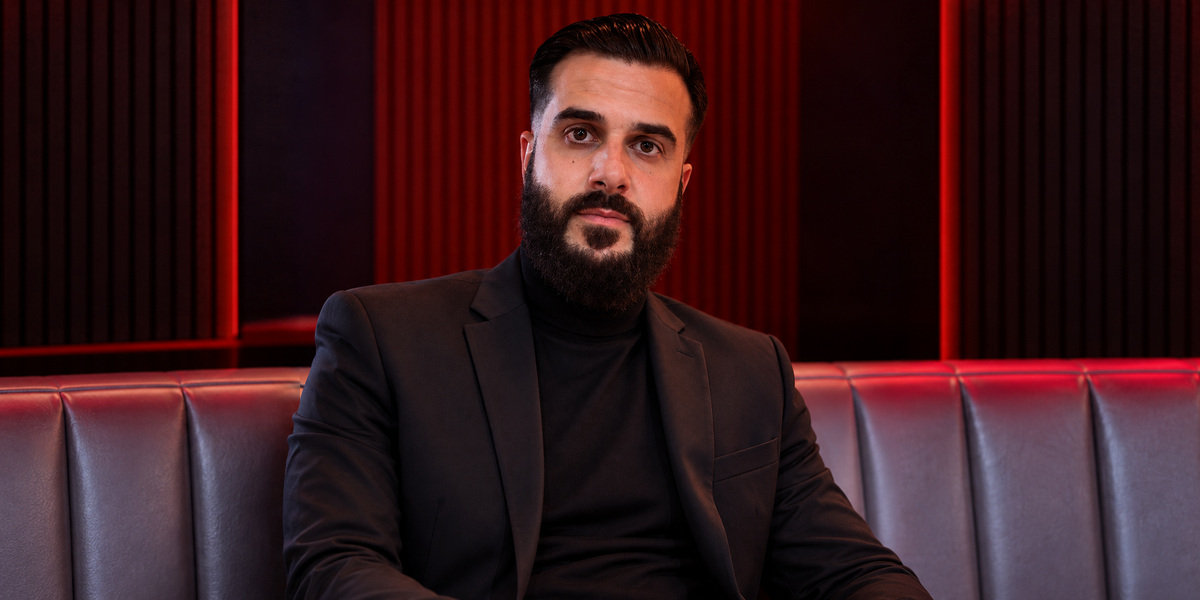
New Delhi is not an easy city to feed. Its dining scene runs from centuries-old regional Indian cooking to imported concepts led by chefs from around the world, and the capital’s diners are famously particular about what ends up on their plates. Into that environment, in 2020, Vishal Kumar Sattarapu launched Two Meaters Apart, a food brand built around American-style GOURMET burgers, sandwiches, and Nashville-style hot chicken.
Five years on, the project has become the foundation of a multi-concept operation that has shaped his career as both a head chef and a business owner. It also informs the culinary work he has since taken on in the United States.
Launching an American-Style Concept in India’s Capital
Delhi’s restaurant market is among the most competitive in India. The city’s diners have access to classical Indian regional cooking at every price point, alongside imported kitchens from Japan, Italy, Thailand, France, and the Americas. For a new concept to gain traction, it has to offer something that tastes genuinely different from what is already on the map.
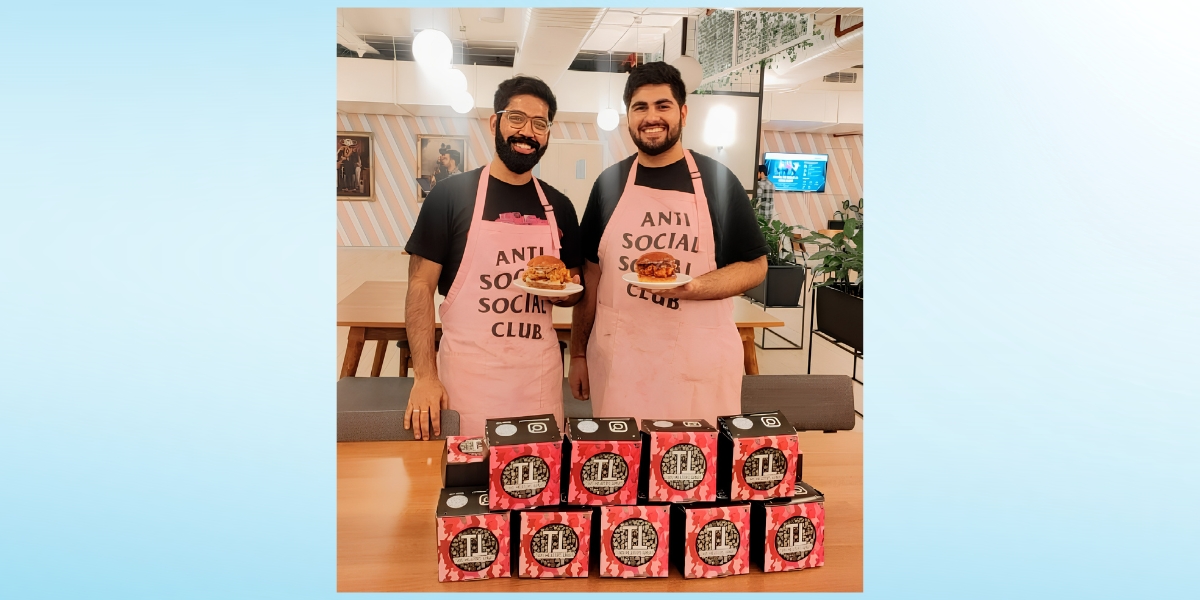
That was the wager behind Two Meaters Apart. Sattarapu focused the opening menu on American regional dishes that were underrepresented in the city, including honest smash burgers, pull-apart sandwiches, and Nashville-style hot chicken with the heat scale intact. The approach leaned on sourcing and technique rather than fusion, and on treating a burger as a dish worth building from the bread up.
Early traction came more from word-of-mouth than from marketing. Delhi’s food community tends to try new concepts quickly and form opinions even faster, which gives the restaurant a short runway but also a tight feedback loop. The menu centered around the dishes that resonated with the brand’s target demographic.
How Two Meaters Apart Found Its Audience
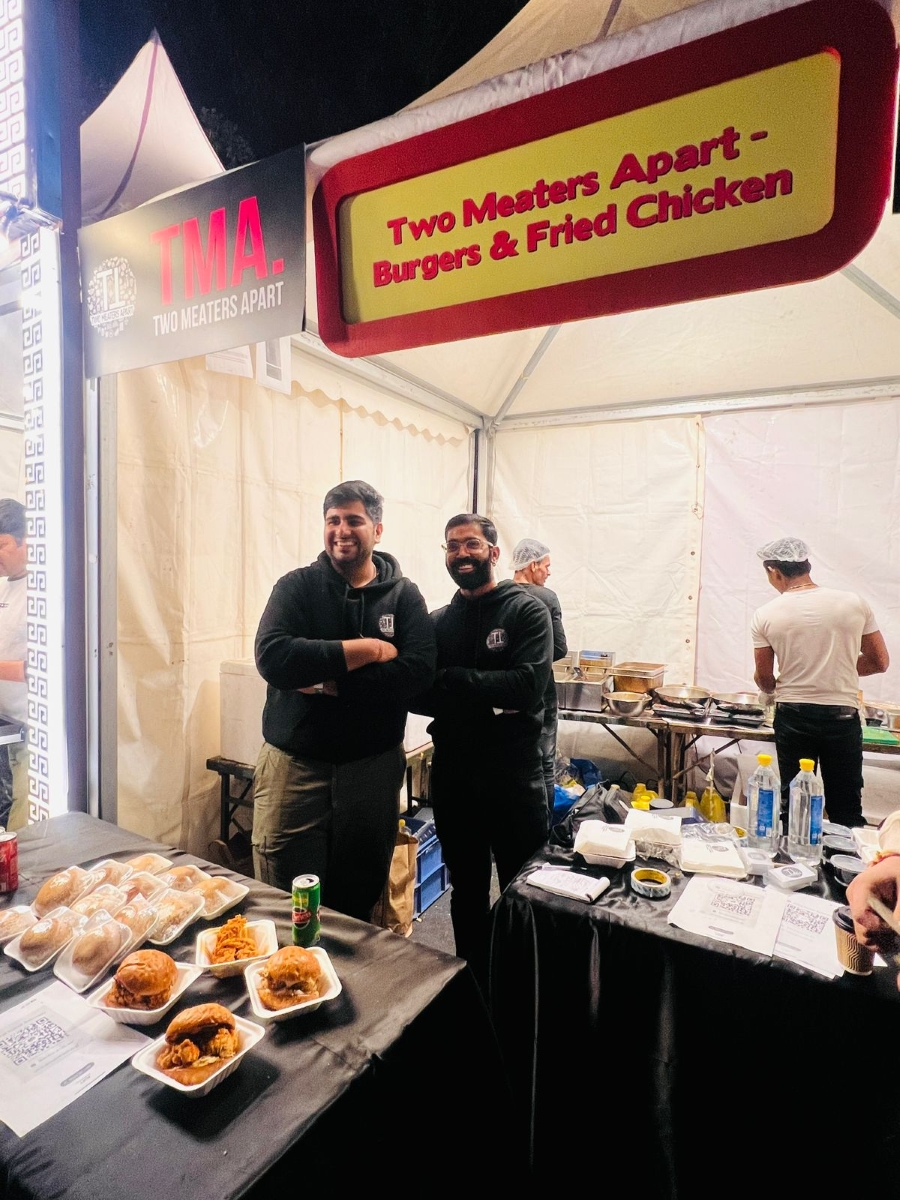
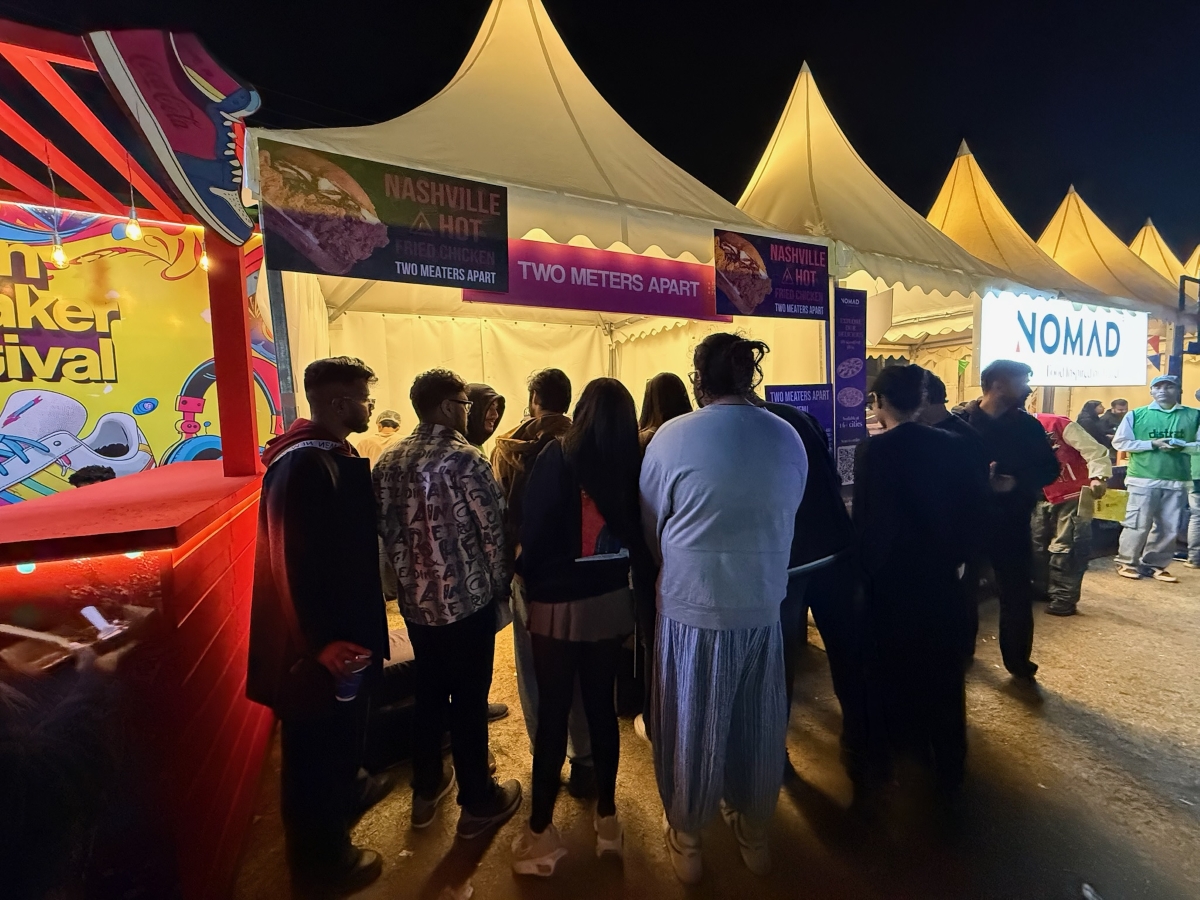
As the brand’s profile grew, it began working with partners outside the restaurant industry. Collaborations have included activations with Skoda, shared programming with WeWork, a recurring relationship with Zomato, and an appearance at the Indian Sneaker Festival. Each of these pairings placed the food in front of audiences who were not necessarily searching for a new burger joint but became regular customers afterward.
The Indian Sneaker Festival is a useful example. The event draws attendees who come primarily for limited-release drops, and food is rarely the headline. TMA’s smash burgers and Nashville hot chicken shifted the rhythm of the day, visitors lingered around the kitchen between drops, and the booth became one of the social anchors of the festival rather than a quick stop for fuel. For an audience that had not come looking for a new burger spot, that kind of in-event presence translated into return visits to the restaurant in the weeks that followed, and gave the festival a culinary moment it would not otherwise have had.
For Sattarapu, these partnerships were as much about operational discipline as visibility. A pop-up at a sneaker festival or inside a corporate office requires a kitchen team that can execute the full menu away from its home setup, under different constraints, and still hold quality. Building that capability changed how the main kitchen runs day to day.
The restaurant’s following grew steadily through this period, particularly among younger diners and the expat community in Delhi. By the time the brand was ready to expand into new formats, there was an existing audience willing to follow it into them.
What Does It Take to Run a Multi-Concept Food Brand?
Two Meaters Apart now operates across three distinct lines of business. The original restaurant remains the anchor. The second arm, TMA’s Takeover, is a private dining wing that builds bespoke menus for clients hosting events, whether a small dinner at home or a larger corporate gathering. Menus are developed around the host’s preferences, dietary constraints, and occasion, rather than pulled from an existing catering list.
The third extension, TMA’s Taqueria, applies the same build-from-the-ingredients philosophy to Mexican street food, with a particular emphasis on Birria-style tacos. The concept runs under the Two Meaters Apart umbrella but has its own menu and service model.
Operating all three requires a sharper separation between the roles of head chef and business owner than a single-concept restaurant does. Menu development, sourcing, and quality control sit with the kitchen. Pricing, staffing across outlets, vendor relationships, and brand direction sit with ownership. Sattarapu has described the two roles as connected but distinct, and has said that learning to hold both at once is one of the more practical lessons the business has delivered.
The private dining arm puts that dual role to the test. A single TMA’s Takeover event can involve a custom menu written for twelve guests, a bar program, front-of-house coordination, and a kitchen running outside the restaurant. Managing it end-to-end means thinking like a chef, an event producer, and a small-business operator on the same night.
Bringing Delhi’s Kitchen Lessons to the United States
The experience of building Two Meaters Apart in Delhi is now shaping Vishal Kumar Sattarapu’s work in the United States. American kitchens operate in a different cost structure, with different supply chains, labor rules, and diner expectations, but the operational patterns translate more directly than they might first appear.
Delhi taught him how to open a concept in a market that does not wait for a learning curve, how to make partnerships with larger companies productive rather than decorative, and how to expand a brand into new formats without diluting it. Those lessons sit behind his current projects in the US, where the same questions surface in different forms: how to read a local market, which extensions are worth building, and how to keep a kitchen’s identity intact across concepts.
For a chef who started in what he has called one of the most competitive food cities in India, the move across oceans reads less like a reset and more like a continuation. The format changes. The decisions behind it remain the same.