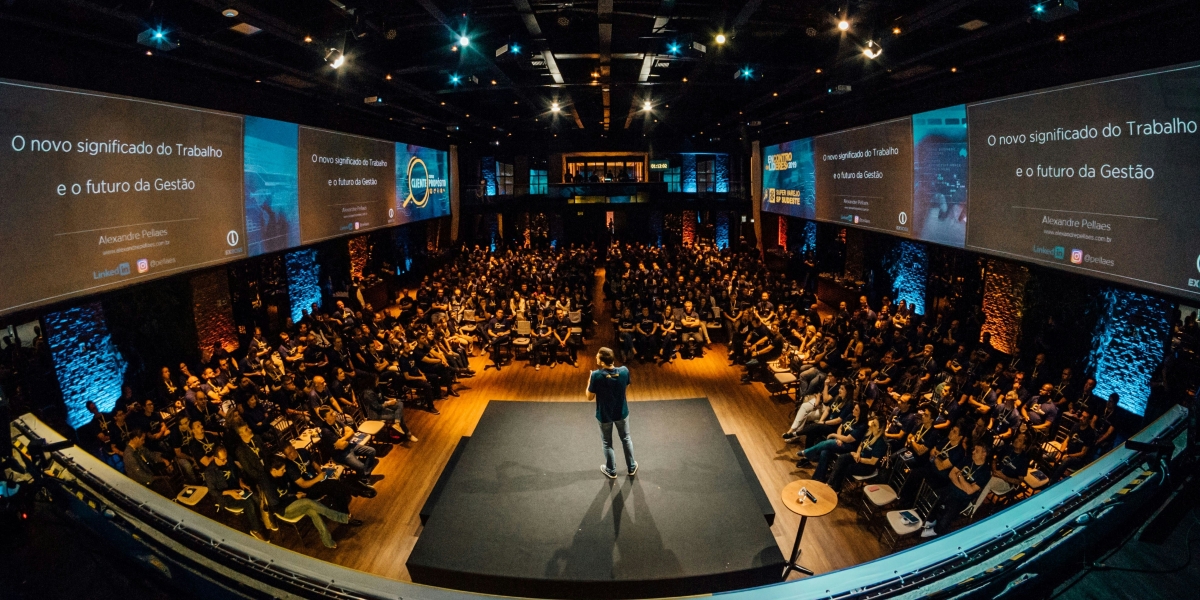

The final keynote speech wraps up, attendees head to the closing networking drinks, and the venue lights shift back to bright white. For event managers, this isn’t the moment to relax – it’s the start of the most high-stress phase of the entire event cycle.
After months of planning and several long days on your feet, your team is exhausted. Yet, you suddenly have a tight four-hour window to dismantle a complex exhibition stand, repack hundreds of thousands of pounds worth of AV equipment, clear the loading dock, and hand back the venue floor without incurring massive overtime penalties.
When post-event teardowns are treated as an afterthought, things go wrong fast. Scratched displays, misplaced custom cabling, missing prototype hardware, and transport delays are all too common.
That’s where post-conference breakdown reverse logistics comes in. By applying the same strategic rigour to teardown as you do to setup, you protect your physical assets, maintain team sanity, and safeguard your event ROI.
Here is how to streamline your post-conference breakdown from the moment the floor closes to the final drop-off at your warehouse.
1. Pre-Planning the Teardown
If you’re waiting until the event ends to figure out how you’re going to pack up, you’re already behind schedule. Effective exhibition reverse logistics starts weeks before the event even opens. To keep the breakdown smooth and orderly, integrate these steps into your initial planning phase:
- Establish a Strict Breakdown Sequence: Don’t let everyone start pulling down booth elements at once. Define a clear order of operations. Delicate electronics, interactive touchscreens, and high-value AV kit should always be packed away first while the stand is still standing. Structural timber, heavy steel frameworks, and display graphics come down second. Heavy freight and crate positioning happen last.
- Standardise Crate Labelling and Manifests: Ensure every crate, flight case, and storage bin has a designated, colour-coded home. Labelling cases by booth zone (e.g., Zone A – Audio/Visual, Zone B – Structural Framing) allows technicians to pack systematically rather than throwing gear into whatever empty box is closest.
- Confirm Venue Dock Rules and Cut-Off Times: Exhibition venues operate under notoriously strict dock schedules. Know your precise loading dock allocation window, marshalling yard queuing protocols, and penalty rates for late departures.
2. Real-Time Inventory Auditing and Condition Logging
The post-event rush creates a high-risk environment for misplaced or damaged gear. When venue staff are clearing adjacent booths and cleaning crews are sweeping up, unlabelled items easily end up in the trash or on someone else’s pallet.
Implementing a real-time audit protocol during bump-out protects your company against costly losses:
Scan Before You Pack
Don’t rely on memory or paper checklists that can get lost in the noise. Use digital asset tracking or barcode scanners to log every piece of hardware back into its dedicated flight case. If a high-value tablet or demo device goes missing, you’ll know within minutes rather than three days later when opening boxes back at headquarters.
Conduct On-Site Condition Checks
As gear comes down, inspect it for wear and tear. Did a graphic panel get creased? Is an LED wall module showing dead pixels? Log these issues immediately so your logistics provider or warehouse team can flag the item for immediate repair upon return.
Separate Rental Equipment
Accidentally packing venue-provided AV gear, hire furniture, or rented waste bins into your company containers causes massive administrative headaches. Maintain a clearly designated “Venue Hire Return Zone” inside your footprint to keep third-party items completely separate from your owned kit.
3. Dedicated Return Transport and Customs Management
Once your freight is loaded onto the dock, getting it back home (or onto the next event city) requires a reliable transport strategy.
For high-value, time-sensitive event equipment, general freight co-loading is rarely worth the risk. A single delayed delivery on a shared truck network can cause you to miss your next event load-in date entirely. Key transport considerations for your post-event strategy include:
- Dedicated Driver-Accompanied Freight: Utilising dedicated vehicles means your freight goes directly from the venue loading bay to your warehouse without stopping at intermediate sorting hubs where items can be mishandled or delayed.
- Managing Cross-Border Customs (ATA Carnets): If you are moving equipment between the UK and mainland Europe, post-event customs compliance is critical. Equipment brought into the EU under an ATA Carnet must be formally re-exported and cleared through border controls. Mishandling your carnet documentation during the return journey can lead to steep import duty fines from customs authorities.
- Direct-to-Next-Show Routing: If you are running a multi-city European roadshow, equipment often shouldn’t go back to your main office at all. Working with a flexible freight handler allows you to route freight directly from one venue dock to the next city’s secure holding facility.
4. Off-Season Storage and Asset Refurbishment
What happens to your event collateral once the truck returns to base? Tossing crates into a damp corner of a working warehouse until next year’s trade show season is a recipe for degraded hardware and ruined graphics. A complete reverse logistics strategy extends all the way into off-season storage:
- Climate-Controlled Warehousing: Sensitive audiovisual technology, microprocessors, and custom-printed fabric graphics require temperature- and humidity-monitored environments to prevent moisture damage, warping, or electrical degradation.
- Post-Show Inspection and Refurbishment: Once freight arrives back at the warehouse, technicians should unpack, clean, and test all equipment. Repaired kit, freshly laundered fabrics, and updated firmware mean your event kit is always bench-tested and event-ready for the next campaign.
- Digital Inventory Visibility: Modern event storage gives you full portal access to your assets. Before your next event, you can log in, view live inventory counts, select specific display modules, and arrange dispatch with a few clicks.
Make Your Next Event Breakdown Effortless
Post-conference reverse logistics doesn’t have to be a chaotic dash against the clock. By mapping your breakdown sequence early, enforcing strict inventory checks on the floor, securing dedicated return transport, and managing asset storage professionally, you turn a stressful ordeal into a smooth, repeatable process.
Instead of burning out your team at the end of every show, let the experts handle the heavy lifting. Partnering with an experienced end-to-end conference logistics partner like 24-7 Worldwide ensures your high-value assets are safely packed, cleared through customs, transported, and stored with absolute precision – giving you complete peace of mind from load-in to final breakdown.