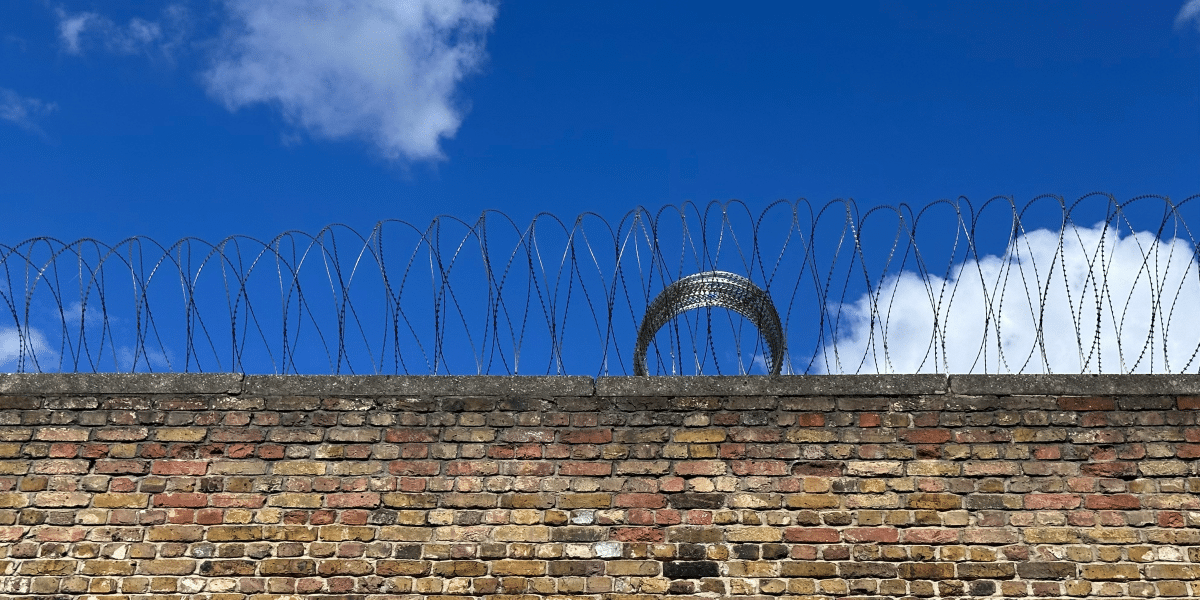


In today’s world, ensuring the security of your property is paramount. Installing razor wire is one of the most effective ways to enhance your property’s security. This comprehensive guide will provide you with tips and best practices for installing razor wire, whether on walls or the top of fences. It will also discuss the costs associated with razor wire installation and the benefits of choosing the right materials.
Understanding Razor Wire
Razor wire is a type of security fencing with sharp edges or blades designed to prevent unauthorized access. It is often used in high-security areas such as prisons, military facilities, and industrial sites. Razor wire’s main advantage over other types of security fencing, like barbed wire, is its superior deterrence and durability. This dedicated post provides a detailed comparison of razor wire vs barbed wire.
Preparation and Planning
Before starting the installation process, thorough preparation and planning are essential. Here’s what you need to do:
Site Assessment: Evaluate the area where you intend to install the razor wire. Measure the perimeter to determine how much wire you will need. Identify any obstacles that may affect the installation process.
Legal Considerations: Check local laws and regulations regarding the use of razor wire. Some areas, especially residential zones, may restrict the use of such security measures.
Safety Precautions: Ensure you have the necessary safety equipment, such as gloves, protective clothing, and eye protection, to prevent injuries during installation.
Tools and Materials Needed
To install razor wire effectively, you will need the following tools and materials:
- Gloves and protective gear
- Wire cutters
- Pliers
- Ladder or scaffolding
- Mounting brackets or posts
- Tension wire
- Razor wire
Step-by-Step Installation Guide
Step 1: Preparing the Area
Clear the installation site of any debris and obstacles. Set up your work area to ensure easy access to tools and materials.
Step 2: Installing Mounting Brackets
Install mounting brackets or posts at regular intervals along the perimeter. These brackets will support the tension wire and razor wire.
Step 3: Attaching Tension Wire
Attach the tension wire to the mounting brackets. The tension wire serves as the base for the razor wire and helps keep it taut. Make sure the tension wire is securely fastened and stretched tightly.
Step 4: Unrolling and Securing Razor Wire
Carefully unroll the razor wire and attach it to the tension wire and mounting brackets. Use wire cutters and pliers to secure the razor wire in place. Ensure the razor wire is evenly distributed and tightly secured to prevent sagging.
Step 5: Installing Razor Wire on Top of Fence
If you are installing razor wire on top of an existing fence, follow the same steps to attach the mounting brackets and tension wire to the top of the fence. Secure the razor wire to the tension wire and brackets, ensuring it is evenly spaced and tightly fastened. For additional security options, consider combining your razor wire installation with a razor fence.

Step 6: Installing Razor Wire on the Wall
Mount the brackets directly onto the wall at regular intervals for wall installations. Attach the tension wire and secure the razor wire to the tension wire and brackets, ensuring a tight and secure fit. You can also explore using PVC barbed wire as an alternative or complement to razor wire for added protection.
Razor Wire Installation Cost
The cost of installing razor wire varies depending on several factors, including the perimeter length, the type of razor wire used, and labor costs. On average, the cost can range from $1 to $3 per linear foot for materials, with additional costs for labor if you hire professionals. For a more accurate estimate, contact a local supplier who can provide you with a detailed quote based on your specific needs.
Tips and Best Practices
Proper Tensioning: Ensure the tension wire is tightly stretched to prevent sagging and maintain the integrity of the razor wire.
Avoiding Common Mistakes: Common mistakes include improper spacing of brackets and insufficient tensioning of the wire. Make sure to follow the guidelines closely.
Maintenance Tips: Regularly inspect the razor wire for any signs of damage or wear. Replace any damaged sections promptly to maintain security.
Summary
Installing razor wire is a highly effective way to enhance the security of your property. By following these tips and best practices, you can ensure a successful installation that provides maximum protection.
For quality razor wire and other security fencing solutions, visit SRK Metals. As a leading wire supplier in UAE, it provides various materials to meet your security needs. Contact the company to discuss your requirements and ensure your property is protected with quality products. Consider SRK Metals for reliable and efficient security solutions.
Published By: Aize Perez