
By: Viraj Shah
Owning or managing a commercial property involves many responsibilities. Your routine focus will be on maintaining the property, building its market value, and trying to make money from it regularly. That might be collecting rent from tenants, operating a business on the site, or combining both. Something else you’ll need to deal with on occasion, however, is finding hardscaping solutions.
What is Hardscaping?
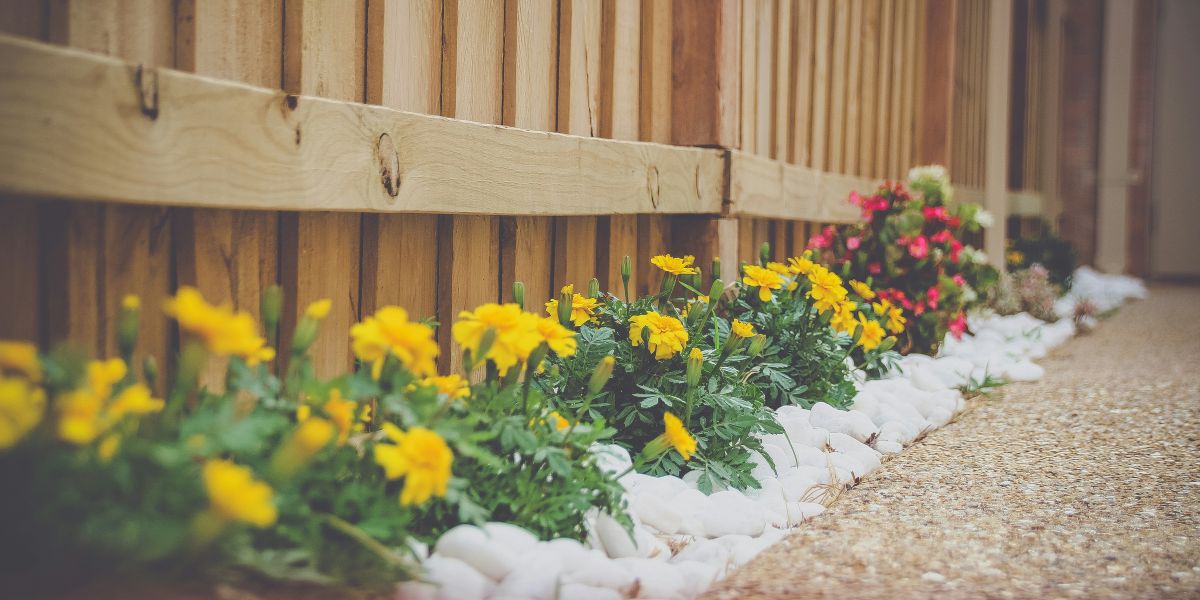
Hardscape is different than landscape. Landscaping covers the entire outdoor portion of your commercial property, but hardscaping is the category of non-living elements throughout the broader design. As the name implies, hardscape elements include wood, stone, pavers, bricks, rocks, and concrete. Hardscaping also involves man-made and artificial structures, such as pergolas and decks, that might happen within the landscaping.
Why is It Important?
If you’re wondering why successful hardscaping is essential to a commercial property, then you should know that it has to deal with more than just visual aesthetics. Hardscaping can serve a purpose to how the landscaping serves your commercial property. The design needs to factor in the look, flow, and feel of your landscaping. Stone paths, stairs, and retaining walls might help you level out uneven or sloping land, enhancing drainage or reducing runoff in areas prone to flooding. Concrete, stone, and rock can absorb the sun’s heat and dry the surrounding soil to prevent unwanted pests, mildew, algae, over-watering, and standing water. Gates and fences can provide protection, privacy, and security to your commercial building or define property lines and sections off spaces you want to dedicate to various purposes.
How Do You Find Hardscaping Solutions for Your Commercial Property?
Finding comprehensive hardscaping solutions for your commercial property involves three distinct phases: design, installation, and maintenance.
Design
Plain concrete walkways around your commercial don’t make an enticing first impression on visitors or customers. Your landscape is like a business card that invites people to do business at your facility. Creative hardscaping needs a refreshing and even experimental design, and you should enlist an appropriate design professional to show you the potential of your property.
Installation
Someone has to install the commercial hardscaping plan that you approve of, and your designer might have referrals to good crews who can do the work for you. You should also research local landscape contractors for outfits with commercial hardscaping experience. Ask those you know in the business community for referrals, interview contractors, and vet the finest prospects. Get written estimates to compare and choose the one you’ll work with.
Maintenance
Hardscaping doesn’t need as much maintenance as landscaping, but it still needs some. Preventative and regular maintenance might include protective seals, fresh sealants or stains, filling cracks, and power washing. Make a list and schedule of the necessary maintenance chores, and ensure someone is responsible for them, be it your own employees, contractors, or a mix of both.
Outsourcing Helps
Your role as a commercial property leader will likely be making money one way or another, and you need to focus solely on that to get as good as you can. Anything that can be delegated should be, including commercial hardscapes and site development solutions. Use the appropriate professionals for the design, installation, and maintenance to create an impact first impression around your property and keep your commercial property looking pristine and enticing to employees and visitors alike. Whether you provide people shade, incorporate natural wood for an authentic touch, or display a company logo, your hardscaping can make a statement about the business at your location.
Published by: Martin De Juan