
Gen Z faces a unique mix of economic pressures and cultural influences that shape their spending habits. Research from EY’s 2023 Gen Z Segmentation Study found that over half of Gen Z respondents were “extremely worried” about not having enough money, with many citing job insecurity, high living costs, and student debt as major stressors. This heightened stress can push some toward spending as a coping mechanism—either to regain a sense of control or to seek short-term relief from anxiety.
Economic uncertainty often drives this generation to juggle multiple income streams, yet it also increases the temptation to spend impulsively on items that provide immediate gratification. The tension between financial caution and emotional relief creates a cycle where stress both restrains and fuels spending behavior.
Understanding Emotional Spending and Its Difference from Impulsive Buying
Emotional spending refers to making purchases in response to strong feelings—such as sadness, loneliness, boredom, or even joy—rather than out of necessity. It is often a conscious or semi-conscious act of mood regulation, where the buyer seeks comfort, distraction, or a boost in self-esteem.
Impulsive buying, while it can overlap with emotional spending, is typically more spontaneous and less tied to a specific emotional state. It occurs when a consumer makes an unplanned purchase triggered by external cues—such as a sale, limited-time offer, or visually appealing product—without significant forethought.
In short, emotional spending is driven by internal emotional triggers, while impulsive buying is often sparked by external situational triggers. Both can lead to financial strain if they become habitual, but emotional spending tends to be more closely linked to ongoing mood patterns and coping strategies.
Retail Therapy: Genuine Mental Health Benefits or Short-Term Relief?
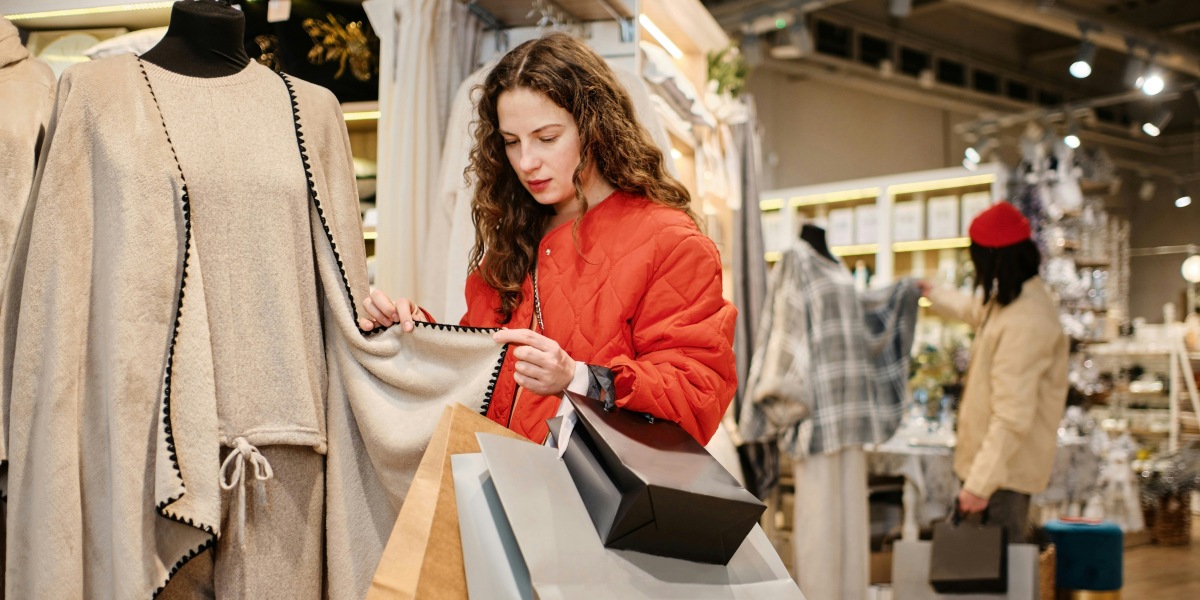
Retail therapy—shopping with the intent to improve mood—can offer temporary psychological benefits. Studies suggest it can trigger the release of dopamine and endorphins, neurotransmitters associated with pleasure and reward. This can lead to improved mood, a sense of personal control, and even enhanced self-confidence.
However, these benefits are typically short-lived. While a purchase may provide a brief emotional lift, it does not address underlying stressors or mental health challenges. For some, retail therapy can become an avoidance coping mechanism, delaying the resolution of deeper issues and potentially leading to compulsive buying behaviors.
Experts note that the distinction lies in control: occasional, planned retail therapy within one’s means can be harmless, but frequent, unplanned spending to manage emotions can create financial and emotional strain.
How Financial Anxiety Affects Decision-Making and Self-Control When Shopping
Financial anxiety can significantly impair decision-making. Studies show that heightened anxiety increases the likelihood of impulsive purchases, as shopping can serve as a temporary escape from feelings of uncertainty. This is partly because anxiety narrows cognitive focus, making it harder to weigh long-term consequences over short-term relief.
Anxious consumers may also gravitate toward “safe” purchases—items perceived as practical or protective—seeking a sense of control in an unpredictable environment. Paradoxically, anxiety can also trigger an “urge to splurge” on luxury or status items, as a way to boost self-worth or signal stability to others.
Low self-control compounds the problem. Research indicates that individuals with reduced self-regulation are more prone to compulsive buying, especially when experiencing financial stress. This creates a feedback loop: anxiety drives spending, spending leads to regret or debt, and debt fuels further anxiety.
Psychological Needs Fulfilled by Retail Therapy

Retail therapy often serves as more than a simple act of purchasing goods—it can meet deeper emotional needs during periods of stress. Research shows that shopping can provide a temporary sense of control when life feels unpredictable, offering individuals a way to make autonomous choices and experience immediate gratification. For some, it functions as a mood regulation tool, helping to counter feelings of sadness, boredom, or low self-esteem.
Psychologists note that the act of selecting and buying items can trigger the release of dopamine, a neurotransmitter linked to pleasure and reward. This chemical response can create a short-lived emotional lift, which explains why stressed individuals may gravitate toward shopping as a coping mechanism. In certain cases, purchases are tied to self-image—buying items that align with how one wishes to be perceived can temporarily boost confidence. However, while these effects can be comforting, they rarely address the underlying causes of stress and may lead to regret if spending exceeds one’s means.
Triggers That Lead Gen Z to Spend More When Anxious or Low
Gen Z faces a unique set of stressors that can influence spending behavior. Surveys by the American Psychological Association indicate that members of this generation report higher stress levels than older groups, with concerns ranging from financial instability and job uncertainty to climate change and political unrest.
Emotional triggers for spending often include:
- Social media influence – Constant exposure to curated lifestyles and targeted advertising can create a sense of inadequacy or “fear of missing out” (FOMO), prompting purchases to match perceived social standards.
- Economic anxiety – Worries about debt, housing costs, and job prospects can paradoxically lead to spending as a form of escapism.
- Boredom and isolation – Digital shopping platforms provide instant entertainment and distraction, making it easy to buy impulsively during low moods.
These triggers are amplified by the convenience of mobile shopping, where minimal friction between desire and purchase can turn fleeting impulses into completed transactions within seconds.
Signs That Retail Therapy May Be Becoming Unhealthy
While occasional mood-boosting purchases are common, certain patterns can indicate a shift toward problematic behavior. Warning signs include:
- Frequent spending to manage emotions rather than for practical needs.
- Concealing purchases from family or friends to avoid judgment.
- Accumulating debt or using multiple credit cards to finance non-essential buys.
- Persistent guilt or shame after shopping, yet continuing the behavior.
- Neglecting financial obligations in favor of discretionary spending.
Experts caution that when shopping becomes a primary coping strategy, it can resemble compulsive buying disorder, which is associated with cycles of emotional highs followed by regret and financial strain.
Healthier Alternatives to Emotional Spending
Replacing emotional spending with healthier coping strategies can preserve both mental well-being and financial stability. Evidence-based alternatives include:
- Physical activity – Exercise, even in short bursts, can release endorphins and reduce stress without financial cost.
- Mindfulness practices – Meditation, deep breathing, or guided relaxation can help regulate emotions and reduce impulsive urges.
- Creative outlets – Engaging in art, music, or writing can provide a sense of accomplishment and distraction from stress.
- Social connection – Talking with friends or participating in group activities can fulfill emotional needs for belonging and support.
- Structured “fun funds” – Allocating a small, pre-set budget for discretionary treats allows for enjoyment without overspending.
- Journaling triggers – Tracking moods and spending patterns can help identify emotional cues that lead to shopping, making it easier to intervene before purchases occur.
By understanding the psychological drivers behind retail therapy, recognizing personal triggers, and adopting alternative coping strategies, individuals—especially younger consumers—can maintain a healthier relationship with spending while still addressing their emotional needs.
How Social Media Trends and Influencers Shape Gen Z’s Spending on Wellness and Self‑Care
Social media has become a primary driver of consumer behavior for Gen Z, particularly in the wellness and self‑care sector. Platforms such as TikTok, Instagram, and YouTube function as both entertainment channels and real‑time shopping hubs. Influencers—ranging from celebrity figures to micro‑creators—play a central role in shaping perceptions of what products are “essential” for health, beauty, and mental well‑being.
Data from CivicScience shows that 56% of Gen Z adults have purchased a product because it was promoted by an influencer, up from 41% in 2023. This demographic is also more than 20 percentage points more likely than older adults to say social media advertising influences their purchasing decisions. Authenticity, relatability, and perceived expertise are key factors in why influencer recommendations resonate.
Wellness and self‑care products—such as skincare, supplements, fitness gear, and mindfulness tools—are particularly susceptible to influencer impact. These items are often marketed through aspirational content that blends personal storytelling with product placement, making them feel like part of a lifestyle rather than a sales pitch. Research highlights that Gen Z values influencers who appear genuine and transparent, even if the content is sponsored.
Are Online Shopping Platforms Making It Harder to Resist Emotional Purchases?
E‑commerce platforms have refined the art of encouraging impulse and emotional spending. The convenience of mobile shopping, combined with personalized recommendations and targeted advertising, reduces the friction between desire and purchase. TIME reports that online shopping delivers a stronger sense of gratification than in‑store experiences because it offers more choice, less effort, and tailored product suggestions.
Psychological triggers such as scarcity messaging (“Only 3 left in stock”), flash sales, and countdown timers create urgency, while positive reviews and influencer endorsements provide social proof. These tactics tap into emotional drivers—such as the desire for self‑expression, belonging, or mood improvement—making it harder for consumers to pause and reflect before buying.
The dopamine release associated with clicking “buy” and anticipating package delivery reinforces the behavior, creating a feedback loop that can lead to habitual spending. For wellness and self‑care products, this effect is amplified by the promise of personal improvement or stress relief, making the purchase feel like an investment in well‑being rather than a discretionary expense.
FOMO in Gen Z’s Retail Therapy Habits
Fear of Missing Out (FOMO) is a powerful motivator in Gen Z’s shopping behavior, particularly for wellness and self‑care items tied to social trends. A study published in PLOS One found that social media triggers emotional responses in young consumers that significantly influence buying habits, often through perceived scarcity and peer comparison.
More than half of Gen Z consumers report making spontaneous purchases monthly or weekly because of something they saw on social media. Limited‑edition product drops, influencer exclusives, and viral “must‑have” items create a sense of urgency to buy before the opportunity disappears. This urgency is not just about owning the product—it’s about securing social currency by being part of the trend early.
FOMO also intersects with retail therapy behaviors. For some, buying into a trend provides a temporary mood boost and a feeling of inclusion. However, overuse of FOMO‑driven tactics can lead to consumer fatigue and skepticism, especially if the promised benefits of a product fail to materialize.