

By: Papio Consulting
Ex-Shell leader from Papio Consulting has just launched AI-Powered Sustainability Manager (PSM) to transform the $67B carbon accounting software market. Let’s explore how exactly it can change the ESG game.
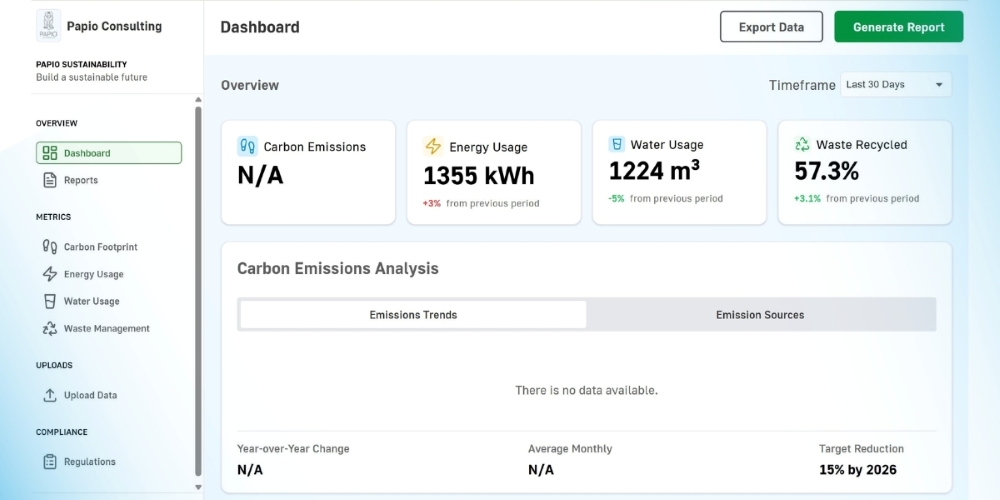
Many companies, from large corporations to mid-sized firms, face a costly constraint: time. Now they can let Data and AI work for them. “Our data shows ESG teams can spend up to 59% of their resources on reporting alone. With Papio Sustainability Manager, we’re helping companies cut that time by up to 80% with live data, automation, and streamlined workflows — turning months of manual work into hours, enabling teams to focus on strategy, close performance gaps, and potentially create real impact,” states Steven Jansen, Founder of Papio Consulting.
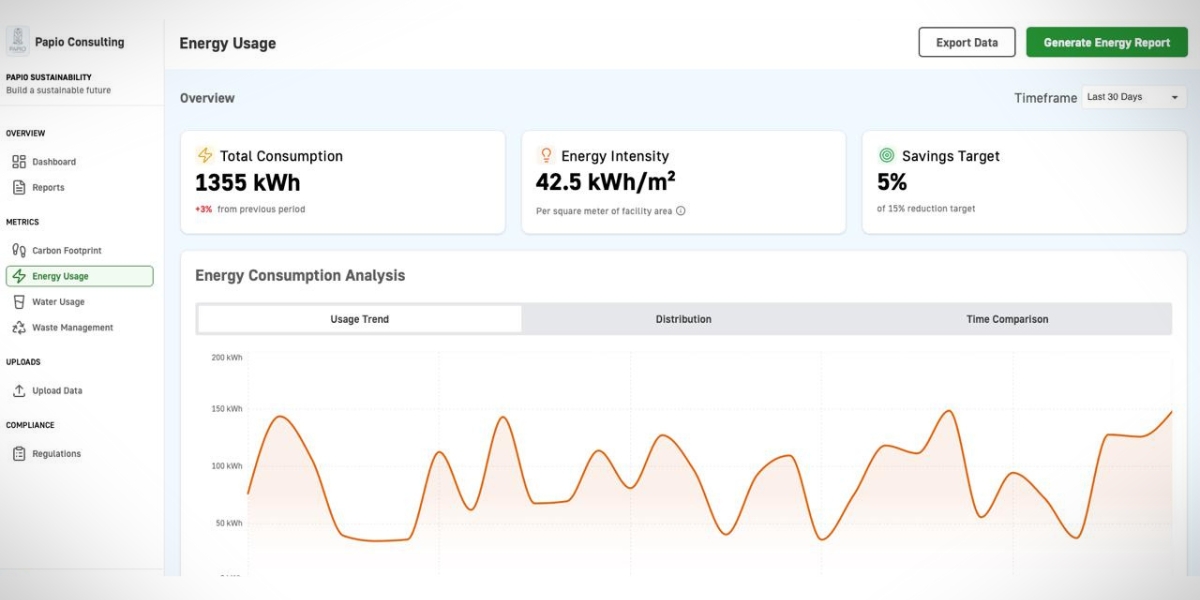
Corporate ESG leaders don’t need another reporting tool; they need results. The challenge is that most organizations are sitting on fragmented and sometimes unreliable data, tools that don’t communicate with each other, and processes that waste budget and leadership attention. Papio Sustainability Manager unifies all ESG data from energy, water, waste, carbon emissions, and converts it into actionable intelligence. It’s not just about filling templates anymore; it’s about making faster, better, data-supported sustainability decisions that could also reduce costs.
How Does AI Help Companies Stay Compliant and Trusted?
AI, when implemented thoughtfully, can become a source of trust, not risk. It must be built on transparent data models and compliance frameworks. “In our product, we use robust data integrity, version control, audit trails, and machine-learning validation to help results remain consistent and defensible. This transparency builds investor confidence and protects corporate reputation,” stated Steven Jansen, Founder of Papio Consulting.
For multinational corporations, AI can help save resources by tracking fast-changing, region-specific ESG regulations and supporting compliance with both local requirements and global standards.
AI augments the sustainability manager by handling data-heavy monitoring, reporting, and initial compliance checks, but the manager remains in control, reviewing and approving critical decisions. This ensures accountability while maximizing efficiency.
“Recently, we’ve attended Web Summit in Lisbon this year. That’s hugely important because Web Summit consistently brings together the brightest in tech, AI, and sustainability. AI is the most frequently represented industry among over 3,000 exhibiting companies. That underscores how AI is mainstreaming fast and that ESG reporting is one of its most urgent applications,” stated Steven Jansen, Founder of Papio Consulting.
When implemented effectively, AI can help speed up ESG-related business processes and empower the sustainability manager to be more effective, allowing them to focus on strategy and decision-making rather than manual tracking. It’s a signal to CEOs that this isn’t just a niche anymore; it’s becoming strategic.
AI Becoming an Integral Part of ESG Programs
“Within the next two to three years, we believe that one in two corporations and mid-sized companies with an ESG program could use AI for decision-making and reporting,” shared Steven Jansen, Founder of Papio Consulting. The question now is how to make this process smooth and transparent. The companies that adopt AI early may not only save time and money; they could also gain brand power, a competitive edge, and potentially attract better talent.
“Start adopting now. The earlier you begin, the stronger your position. This isn’t just about compliance; it’s about growth, brand trust, and demonstrating that you lead with purpose. AI for ESG is no longer optional but could be an accelerator for growth, trust, and impact.”
Disclaimer: The information provided in this article is for informational purposes only and does not constitute financial or business advice. The potential benefits and financial outcomes mentioned, such as time and cost savings, are based on statements from Papio Consulting and may vary depending on the specific circumstances of each organization. Results are not guaranteed and can differ.