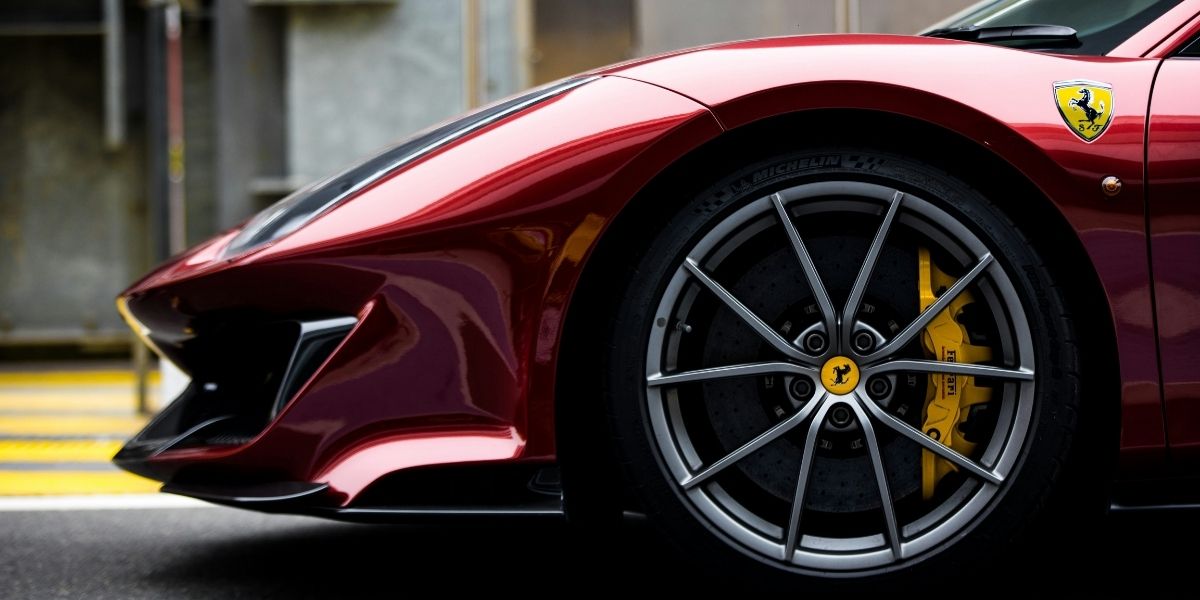

Ferrari’s first fully electric passenger car, the Luce, entered public view in May 2026 and quickly became a subject of intense industry and consumer conversation. The Luce represents the Italian marque’s first step beyond traditional internal combustion models into a fully electric proposition. The five‑seat design, which departs from Ferrari’s classic two‑seat performance vehicle format, was shaped with design input from a high‑profile external design team. It delivers more than 1,000 horsepower, features independent electric motors at each wheel, and posts performance figures rivaling many high‑end sports cars.
Reaction from industry commentators, owners, and enthusiasts was immediate and varied. Many responses focused on the vehicle’s styling, which differs sharply from Ferrari’s historical design priorities. Some drivers and brand followers expressed skepticism about whether a four‑door, fully electric vehicle aligns with Ferrari’s heritage. This debate coincided with movement in Ferrari’s share price on international markets shortly after the Luce’s introduction.
Ferrari leadership framed the Luce launch as part of a broader approach to broaden its product range beyond low‑volume sports cars, with priority markets including regions where electric models have a larger installed base. The company has noted that by 2030, a portion of its product lineup will include fully electric vehicles. Leadership has also indicated a preference for developing essential electric propulsion technologies internally. This choice reflects a desire to maintain control over performance characteristics and brand identity as Ferrari transitions into new propulsion methods.
Industry analysts and automotive specialists have discussed the Luce launch in the context of shifting demand among high‑end vehicle buyers. Wealthy buyers in major markets have shown interest in electric models from luxury brands, but expectations around design, performance, and brand continuity remain significant factors in purchase decisions.
Lamborghini Suspends Full Electric Model Plans
Lamborghini moved in a contrasting direction earlier in 2026 by shelving plans for its planned fully electric model, known in concept as the Lanzador. The company’s leadership announced that this planned all‑electric vehicle would no longer advance toward production. Instead, Lamborghini reaffirmed its focus on plug‑in hybrid vehicles to meet regulatory requirements and buyer preferences.
Chief executive leadership pointed to market feedback indicating relatively low interest among Lamborghini’s traditional customer base for purely electric vehicles. Customers in the supercar segment often emphasize sensory experiences such as engine sound and response qualities that are altered in battery‑only propulsion. Company statements described continued development of hybrid systems that combine battery and internal combustion capabilities as central to Lamborghini’s near‑term product strategy.
Existing hybrid models such as the Revuelto supercar and hybrid versions of the Urus SUV illustrate this strategy. These vehicles aim to blend electrification with the performance attributes historically associated with the brand. Lamborghini leaders also referenced the current state of charging infrastructure and the conditions of long‑distance travel, noting that some customers consider these elements when evaluating electrified vehicles.
The decision to forgo a fully electric model at this time was reflected in company presentations to dealers and industry events. Leadership emphasized that regulatory frameworks for smaller manufacturers allow flexibility, enabling Lamborghini to delay a full battery transition while still planning to meet future emissions requirements through hybrid technology.
Distinct Strategic Directions in High‑End Automotive Sector
The decisions by Ferrari and Lamborghini highlight varying interpretations of buyer demand and technology adoption timing among luxury carmakers. Both brands maintain strong positions within exclusive vehicle segments, but leadership at each company is mapping a path toward greater electrification that reflects different assessments of customer preferences and market readiness.
Ferrari’s leadership appears determined to establish an early presence in the electric vehicle space, even as some traditional buyers and commentators express reservations. This reflects an attempt to balance heritage with participation in segments where electric propulsion is gaining traction among affluent consumers, particularly in markets such as China and parts of Europe where electric models constitute a larger share of luxury vehicle sales.
Lamborghini’s approach, grounded in hybrid technology for now, aligns with its view that many supercar buyers still value attributes linked to internal combustion engines. Company leadership has expressed that hybrid systems provide a transitional option meeting both performance expectations and regulatory requirements without committing to a fully electric powertrain before market demand shifts.
Industry specialists who follow high‑end automotive brands have noted that these differing strategies may influence rival manufacturers contemplating electrification schedules. Automakers with established performance reputations are weighing customer expectations against broader industry trends that favor electrified mobility.
Market and Buyer Reactions Highlight Tension Around Electrification
The market’s response to Ferrari’s move into fully electric vehicles saw immediate attention from equity analysts and collectors. Volatility in share pricing around the time of the Luce’s introduction underscored investor sensitivity to how traditional luxury brands manage transitions in propulsion technology and product mix. Some market watchers have suggested that Ferrari’s strategy could broaden its appeal in segments where electrification is embraced, while others point to short‑term hesitation from traditional buyers as a cautionary signal.
Meanwhile, Lamborghini’s emphasis on hybrid vehicles was described by some observers as a measured response to current buyer sentiment. Data from recent delivery reports and financial results indicate that Lamborghini’s hybrid models have performed well in terms of demand and have helped the company meet emissions targets without a full battery commitment. Analysts following automotive retail patterns note that demand for luxury electrified vehicles varies by region, with some affluent markets showing faster uptake than others.
Luxury automakers globally are adjusting product roadmaps to accommodate shifting regulatory standards and consumer preferences. Both Ferrari and Lamborghini have outlined medium‑term plans that include increasing electrification, though the pace and nature of that shift differ markedly.