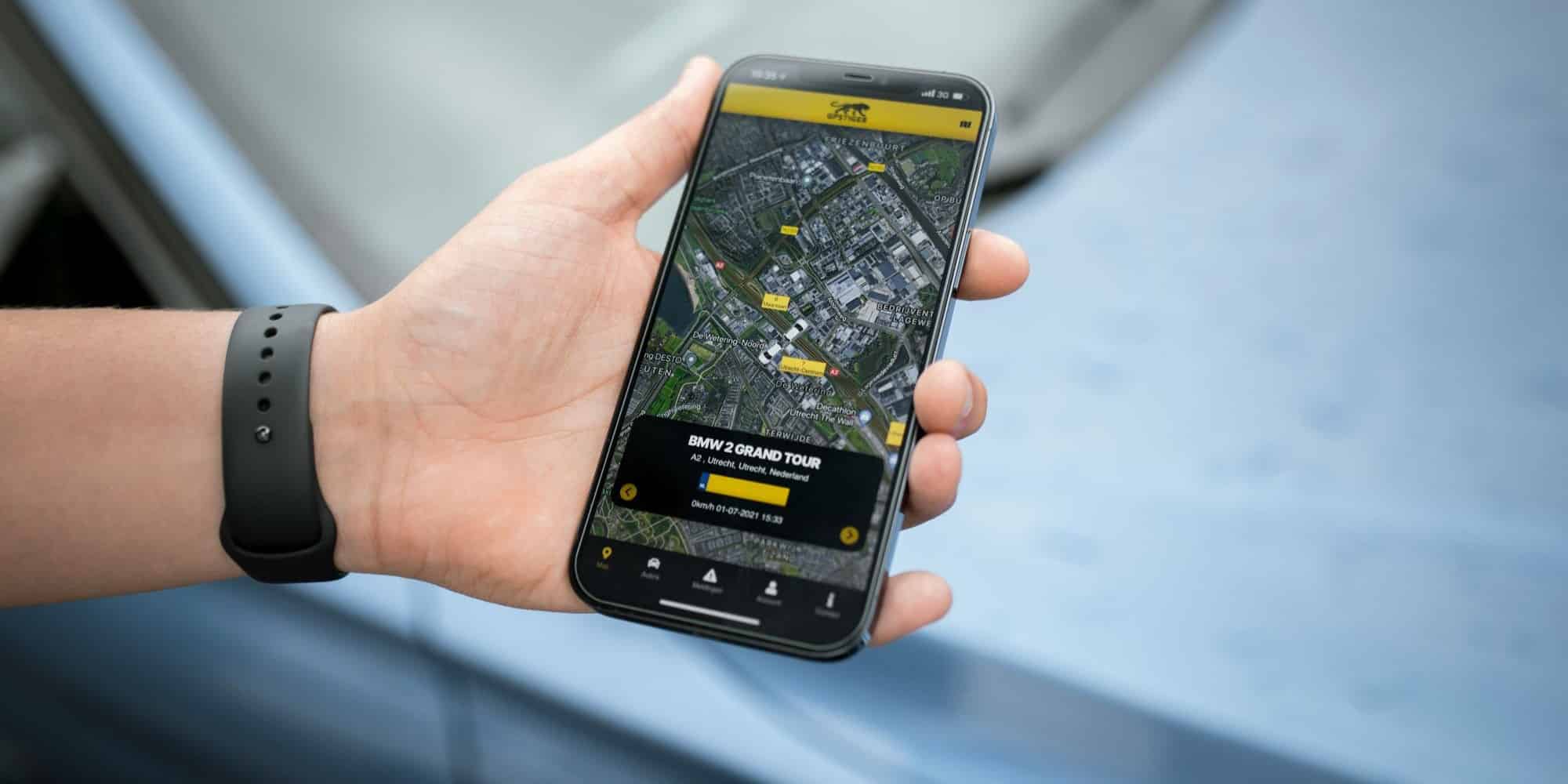


Companies in all sectors rely on trucking companies to deliver products and services to customers. The many factors that influence commercial trucking profitability, most notably the ever-increasing cost of gasoline, make it a challenging industry to manage. Yet, trucks’ enormous size and weight make them dangerous and infamously expensive.
Today’s trucking companies may benefit significantly from GPS truck monitoring software, which helps reduce fuel expenses and improve road safety. Organizations may save much money with high-quality truck monitoring software since it gives you front-row access to critical components like vehicle locations, track for trucks, driver performance, and maintenance needs.
How Does GPS Tracking Work?
A GPS tracking device with a receiver is attached to the object you want to monitor. The device is also designed to record time and location (by latitude and longitude) concerning GPS satellites.
Determining the position of an object involves signals exchanged with multiple satellites. These satellites orbit the Earth at high speeds and transmit signals. The receiver can estimate the distance by measuring the time it takes for a signal to travel between the object and each satellite.
Satellite’s Reception
The more satellites that return a signal, the more data there is to establish an accurate measurement. To plot a three-dimensional position, the GPS employs information about the device’s range from three satellites and the satellite’s location when the signal was transmitted, accounting for delays and signal speed changes caused by the earth’s atmosphere.
The receiver provides location data to GPS monitoring software in near real-time, if equipped with a transmitter, or through manual retrieval. The software processes this data and maps it to a specific location.
Tracking Gadget
The car tracking device receives GPS satellite signals and determines the current GPS location. Then, the tracking gadget broadcasts its current location (of itself) to mobile phone networks (towers) using specific frequencies. As a result, the tracking device supplier can program the frequency of location notifications (logs). Typically, the current location log is delivered every three (3) minutes when the car moves and once every half hour when the vehicle is parked.
Mobile Phone Tower
The mobile phone tower receives the vehicle’s location (with the vehicle tracker fitted), which it then communicates to the internet (to a specific server). Once on the internet, the vehicle’s location may be accessed securely.
With a tracking solutions provider, the tracking device hardware and the receiving system – the tracking server – allow users to view the whereabouts of their vehicle on their computer, tablet device, or mobile phone via a mapping service such as Google Maps.
The vehicle’s position can then be utilized to retrieve stolen cars, manage fleets, or report on future vehicle usage.
Data Transmission
Aside from location, other valuable data is transmitted, assisting in producing other critical reporting functions. This data may include the following:
- The current GPS coordinates of the truck (latitude and longitude)
- The current speed in kilometers per hour or mph
- Key on/off – when the ignition key was used to start the car (this permits the trip reporting capabilities to work).
- Engine data (RPM, oil temperature, fuel level) is only available in select GPS tracking systems.
Why Is Gps Truck Tracking So Vital in Fleet Management?
Truck GPS may be a handy tool for fleets for various reasons. Tracking systems usually allow visibility into a vehicle’s location, but the benefits go far beyond location identification.
Other significant benefits include:
Optimized routes
GPS truck trackers can help identify driver locations and assist in deciding which driver to send to a job site.
Specific GPS tracking solutions could even include route optimization tools to help plan more effective routes and find chances for additional streamlining once the route has been performed. That said, GPS trackers also offer capabilities for time-sensitive dispatching in one spot and enable dispatch managers to dispatch from the dashboard, analyze driver routes, and evaluate performance patterns to optimize future routes.
Improved security
GPS vehicle tracking can enhance fleet management by helping locate missing or misplaced vehicles. Some systems also allow users to set alerts for activity outside of designated hours or when a vehicle moves beyond a specified area.
Happy customers
Whether your fleet delivers products to people’s homes or is part of a larger supply chain, your consumers expect a particular degree of service and ease. GPS tracking software can show the location of each vehicle, making it easier to dispatch nearby trucks to job sites. Some systems also offer options to share the truck’s route and estimated arrival time with customers.
The live-sharing function informs clients of real-time ETAs and vehicle whereabouts via a shared URL that may be delivered immediately to a mobile device. Furthermore, because a tracker might use real-time GPS, clients can know exactly where the truck is on a route at any given time. This helps your fleet provide a smooth experience to your customers and eliminates the time spent responding to consumer questions like ‘When is my delivery going to arrive?’
Reduced Expenses
Whether you’re reducing fuel costs by making more strategic dispatching decisions or designing a more efficient route, GPS vehicle monitoring devices enable fleet managers to make cost-saving decisions in real-time. GPS tracking provides more visibility into fleet operations, allowing you to make more informed decisions for the business and its bottom line.
Conclusion
Operating a trucking business involves substantial expenses, including purchasing trucks, fuel consumption, and insurance costs. Truck tracking systems can help manage fuel usage, support driver performance, and keep track of maintenance needs, making them a useful tool for many businesses.
Published by Liana P.