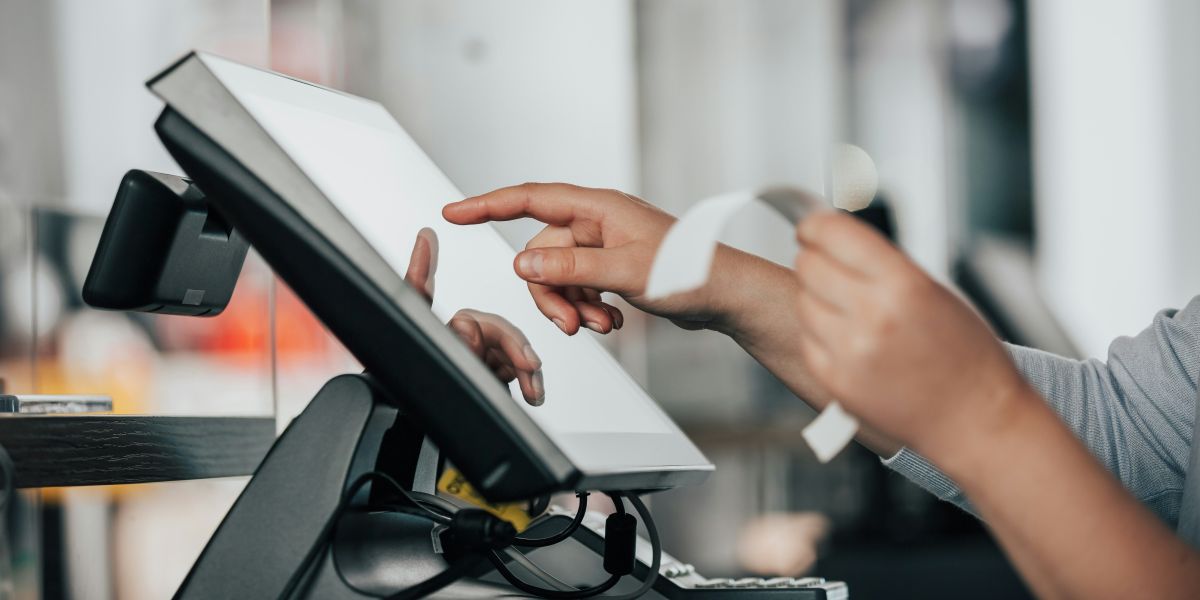


A full-service restaurant depends on smooth operations and attentive service to create a positive dining experience. Guests notice every detail—from how quickly their order arrives to how accurately it matches their request. A modern POS system improves customer service by speeding up orders, reducing mistakes, and giving staff the tools to provide faster, more personal attention.
With a POS system, servers can take orders tableside, send them directly to the kitchen, and process payments without delay. This direct process saves time, reduces confusion, and helps staff focus on the guest rather than paperwork. As a result, customers receive accurate meals, quicker service, and easier payment options.
Beyond speed and accuracy, a POS system also supports loyalty programs, tailored promotions, and better staff communication. These features help restaurants create consistent, pleasant experiences that keep guests returning. The following sections explain how these systems improve service quality and strengthen long-term customer relationships.
Core Ways POS Systems Improve Customer Service in Full-Service Restaurants
A well-designed POS system helps restaurants organize orders, speed up transactions, and tailor service to each guest. It supports smoother teamwork between staff and creates faster, more accurate service that improves the dining experience from start to finish.
Streamlining Order Management and Kitchen Communication
Accurate order handling shapes how customers view service quality. A multi-server restaurant pos software allows multiple servers to input and send orders directly to the kitchen display system without delay. Each order appears instantly, reducing confusion and miscommunication between staff.
Digital order tracking also eliminates handwritten tickets, which often lead to mistakes. Staff can update orders in real time, helping prevent incorrect dishes or missed requests.
With faster kitchen updates, chefs can prioritize tasks and serve meals at the right temperature. Managers can also monitor order flow and quickly identify delays. This level of coordination ensures consistent service and helps staff stay organized during busy hours.
Accelerating Payment Processing and Bill Splitting
Slow checkout frustrates customers and limits table turnover. A POS system allows servers to process payments tableside, saving time and avoiding long waits at the counter. Guests can pay by card, mobile wallet, or contactless method directly at their table.
For groups, automatic bill-splitting features make transactions smoother. Each person can pay their share without confusion or manual calculations. This reduces errors and speeds up the end of the meal.
Modern POS systems also encrypt payment data for security. Customers appreciate knowing their card never leaves their sight. Faster, safer transactions leave a positive final impression and help servers prepare the table for the next guest more quickly.
Personalizing the Dining Experience with Customer Data
POS systems store practical details about guests, such as favorite dishes, drink preferences, and past visits. Staff can use this information to offer tailored recommendations or remember special requests. This small effort makes guests feel recognized and valued.
Restaurants can also use stored data to send targeted promotions or loyalty rewards. For example, a returning guest might receive a discount on a favorite menu item. These personalized touches encourage repeat visits and strengthen customer relationships.
Access to accurate data also helps managers understand dining patterns and adjust service or menus to match customer habits. This insight supports better decision-making and a more attentive dining experience.
Reducing Wait Times and Improving Table Turnover
Fast service often determines customer satisfaction. POS systems shorten the time between order placement and delivery by sending information directly to the kitchen. This eliminates unnecessary back-and-forth for servers.
Efficient order flow allows staff to serve more tables without sacrificing quality. Guests receive their meals faster, and tables become available sooner for new diners.
Real-time table tracking helps managers assign servers efficiently and avoid delays. By reducing idle time between courses or billing, restaurants maintain a steady pace of service and keep guests satisfied throughout their visit.
Additional Benefits of POS Systems for Customer Retention and Operations
A POS system supports restaurant growth by connecting service quality with data-driven management. It helps improve customer loyalty, maintain accurate stock levels, and guide better business decisions through clear reporting tools.
Integrating Loyalty Programs and Promotions
A POS system allows restaurants to link loyalty programs directly to customer profiles. Each visit and purchase can earn points or rewards that encourage repeat business. This connection helps staff recognize regular guests and offer personalized rewards, such as discounts or free menu items.
Restaurants can also use stored data to create targeted promotions. For example, they can send special offers to customers who frequently order a particular dish or visit during specific times. This level of customization builds stronger relationships and encourages guests to return.
Integration with online ordering platforms further expands these benefits. Customers who order through the restaurant’s website or app can still earn rewards, ensuring a consistent experience across all channels. As a result, loyalty programs become more effective and easier to manage.
Improving Inventory Management and Menu Availability
Accurate inventory management directly affects customer satisfaction. A POS system tracks ingredient use in real time, helping restaurants avoid running out of popular menu items. Managers can view stock levels instantly and reorder supplies before shortages occur.
This system also reduces waste by identifying slow-moving items. For instance, if certain ingredients often expire, management can adjust purchasing or modify recipes. These insights help maintain a balanced menu and control food costs.
Integration with accounting software creates a clear picture of expenses and profit margins. By connecting sales and stock data, restaurants can refine pricing strategies and maintain consistent menu availability. Guests benefit from a smoother dining experience with fewer unavailable dishes.
Leveraging Analytics and Reporting for Continuous Improvement
POS analytics reveal patterns that guide better decisions. Managers can review reports that show top-selling menu items, peak dining hours, and average ticket sizes. This information helps adjust staffing, pricing, and promotions for stronger performance.
Detailed reporting also supports financial tracking. Integration with accounting tools simplifies tax preparation and expense management. Owners can compare revenue trends across weeks or months to identify growth opportunities.
Data insights from the POS system help restaurant teams act quickly. They can test new menu items, monitor results, and refine operations based on measurable outcomes. This approach builds consistency and supports long-term customer retention.
Conclusion
A POS system helps full-service restaurants deliver faster, more accurate, and more personal service. It connects the front-of-house and kitchen teams, reducing mistakes and improving order flow. As a result, guests receive their meals sooner and with fewer errors.
It also supports flexible payment options, making checkout smoother for customers. Features such as tableside payments and contactless transactions add convenience and build trust.
By tracking guest preferences and past visits, staff can tailor service to each customer. This attention to detail encourages repeat visits and builds stronger customer relationships.
Therefore, a POS system serves as a practical tool that improves both service quality and daily operations. Restaurants that use it effectively can create a more efficient, accurate, and customer-focused dining experience.