

By: Alan Paul
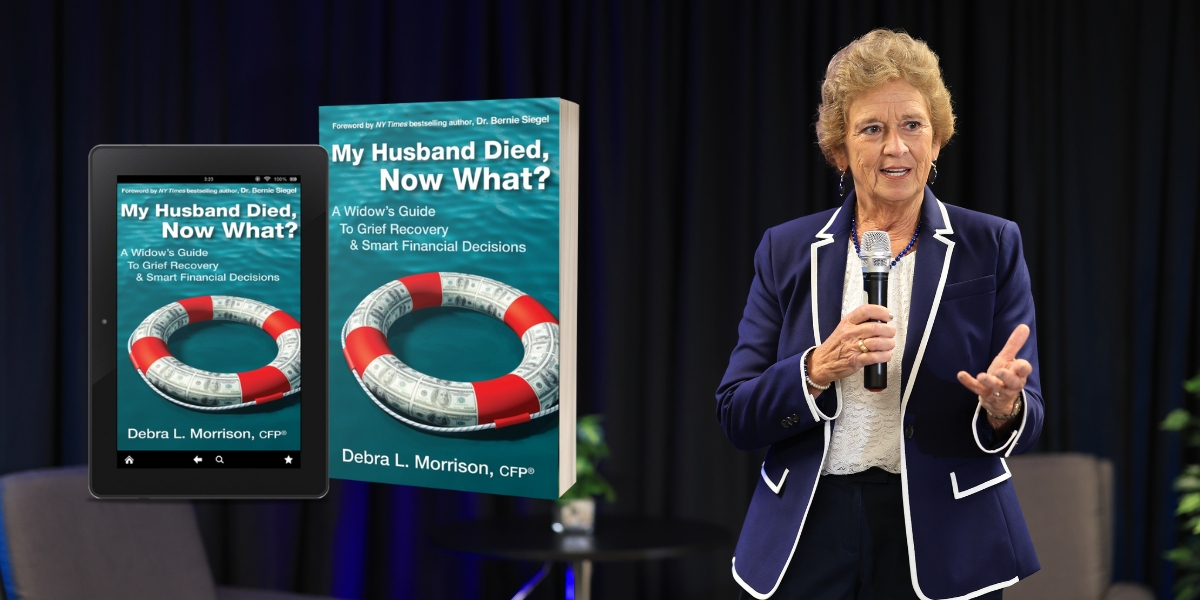
When a woman loses her spouse, the grief is often overwhelming. Yet, alongside the profound emotional weight, another reality quickly sets in: the sudden need to navigate complex financial decisions, often for the first time alone. Debra L. Morrison, CFP® and Certified Grief Coach, has dedicated her work to helping widows bridge these two difficult worlds—guiding them through the pain of loss while also empowering them to take control of their financial futures.
Although Debra is not a widow herself, her unique background as both a 42 yr experienced CERTIFIED FINANCIAL PLANNER™ and a Grief Coach allows her to stand at the crossroads of emotion and intellect. “You can cry and ask questions about IRAs in the same breath,” she says. “I’ll be here for both.” With compassion and expertise, she offers widows something rare: a safe place to grieve and a trustworthy partner in viable next steps financially, avoiding common and expensive tripwires.
The Connection Between Grief and Finances
At first glance, grief and finances may seem like separate challenges—one emotional, the other practical. But for widows, they are deeply intertwined. A woman might be crying one moment and wondering how she’ll pay the mortgage the next. Debra believes this is why financial professionals must be sensitive to both realities.
She emphasizes that while emotions and financial decisions must eventually be separated, they cannot be ignored in each other’s presence. “Neuro Linguistic Programming tells us that when emotions are high, intellect is low, and vice versa,” she explains. For that reason, she encourages widows to allow space for their grief before making major financial decisions. Over time, as values clarify and emotions begin to settle, widows are better equipped to shape their financial plans in alignment with their goals and dreams.
Overcoming Fear Around Money
For many widows, one of the greatest hurdles is fear—not just of financial missteps, but of navigating life alone. Often, women carry lifelong messages of shame or inadequacy around money, whether from family, religious communities, horrible socialization, or personal experiences. Some may have tried investing in the past, only to suffer losses that reinforced their fears.
Debra urges widows not to go it alone. Instead, she recommends seeking a Fiduciary CERTIFIED FINANCIAL PLANNER™ who sells no products, earns no commissions, and receives no referral fees. Such professionals act solely in the client’s best interest, often serving as a “financial quarterback,” coordinating with attorneys, CPAs, and insurance agents. This team-based approach gives widows clarity, confidence, and the freedom to live an untethered life.
Generational Differences in Grieving and Money Management
Through her work, Debra has noticed that younger widows often adapt differently to loss than older ones. Younger women may have built-in support systems—friends with children, shared routines, or stronger community ties. Older widows, on the other hand, may find themselves with a shrinking social circle, sometimes compounded by relocation or health challenges. This lack of immediate support can intensify both grief and the stress of financial responsibilities.
Recognizing these differences helps Debra tailor her guidance. Younger widows may need more structure and financial education, while older widows often benefit from rebuilding a sense of connection and community alongside their financial planning.
What Professionals Should Know About Working with Widows
Debra also has a message for attorneys, CPAs, and financial professionals: treat widows with extraordinary patience, respect, and care. She advises professionals to always provide written notes after meetings, since widows may not be able to focus fully during discussions. Small but meaningful gestures, like mentioning the late husband’s name or sharing a fond memory, can also bring comfort and connection.
“Widows are a highly sensitive group,” Debra says. “Professionals should imagine they’re working with their own mother, and treat them accordingly.” By approaching widows with dignity and compassion, professionals not only provide financial guidance but also emotional reassurance during one of the hardest chapters of a woman’s life.
A Legacy of Compassion and Clarity
Ultimately, Debra hopes her work and her book will leave behind a cultural shift in how Americans approach grief and support one another through loss. In particular, she wants to end the cycle of thoughtless or hurtful comments often made to grieving individuals. “That fewer people utter the absurd and hurtful stupid-ass comments… that’s what I hope,” she says with candor.
Her mission is both professional and deeply personal: to help widows believe in themselves when they feel they can’t, to offer hope when life seems unbearable, and to create an accessible path into financial confidence. By using everyday analogies instead of industry jargon, she makes finances approachable. By respecting the sacredness of grief, she offers a safe place to heal.
For Debra, the confluence of grief coaching and financial planning isn’t just unique—it’s necessary. In a world where women are often left to handle profound loss and complex money matters at once, her work reminds them that they don’t have to do it alone.
Conclusion
The journey of widowhood is marked by pain, uncertainty, and resilience. Debra L. Morrison, CFP® and Certified Grief Coach, understands that grief and money are never entirely separate—and she equips widows with tools for both. By blending compassion with financial expertise, she offers widows not just strategies for recovery, but also the reassurance that they are believed in, supported, and capable of building a future with dignity and strength.
For more information about My Husband Died, Now What?: A Widow’s Guide to Grief Recovery & Smart Financial Decisions, or to purchase the book, visit Amazon
Disclaimer: The content provided is for informational purposes only and should not be considered as psychological, financial, or legal advice. Grief is a deeply personal experience, and individuals are encouraged to seek support from licensed professionals, including therapists, financial advisors, or legal experts, to address their specific needs during such challenging times.