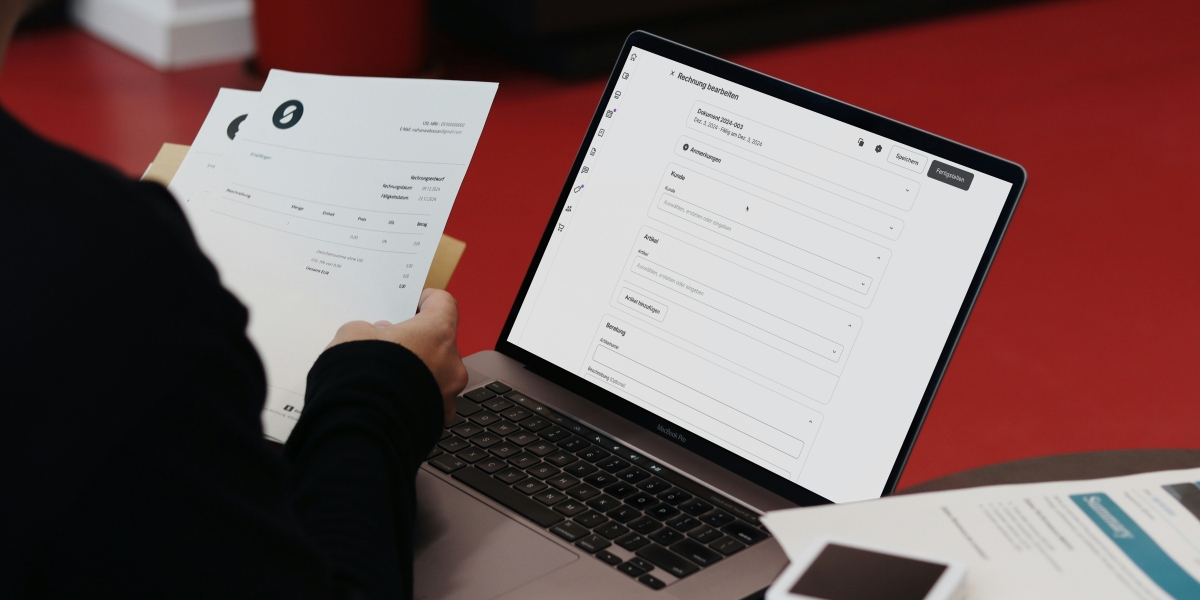

The Evolution of Accounts Payable and Receivable
The transition from physical ledgers to digital cloud-based environments represents one of the most significant shifts in corporate finance over the last fifty years. Historically, the accounts department was a place defined by filing cabinets, manila folders, and the constant rustle of paper. Every transaction required a physical trail, often leading to delayed approvals and high error rates. As businesses scale in the modern economy, these manual methods act as a bottleneck, stifling growth and obscuring real-time financial visibility.
Modernizing the accounts department is no longer just about saving space or reducing paper waste. It is about agility. In a digital ecosystem, data flows seamlessly from procurement to payment, allowing finance leaders to make informed decisions based on live data rather than historical reports that are weeks old. The shift toward digital workflows allows teams to move away from data entry and toward strategic financial analysis, effectively turning a cost center into a value driver for the organization.
Identifying the Hidden Costs of Manual Paper Processing
Many organizations underestimate the true cost of maintaining a paper-based workflow. Beyond the obvious expenses of paper, ink, and postage, there are significant soft costs associated with manual labor. When an accounts payable clerk spends hours every week manually typing invoice data into an ERP system, the company is paying for a low-value task that is highly susceptible to human error. Statistics from industry analysts suggest that processing a single paper invoice can cost a company anywhere from fifteen to twenty-five dollars when accounting for labor, routing, and storage.
Furthermore, paper workflows create a lack of transparency. When an invoice is sitting on a manager’s desk awaiting a physical signature, the finance team has no way of knowing exactly where that document is or when it will be approved. This leads to missed early payment discounts and, in some cases, late payment penalties. By adopting modern solutions like Yooz, companies can eliminate these visibility gaps and gain total control over their cash flow. The financial drain of lost documents and duplicate payments becomes a thing of the past when every transaction is tracked digitally from the moment it enters the building.
The Impact of Human Error on the Bottom Line
- Data entry mistakes leading to overpayment or underpayment of vendors.
- Duplicate invoices being processed because there is no automated check for existing records.
- Misfiled physical documents requiring hours of manual searching during audit season.
- Calculation errors in tax applications or currency conversions.
Building the Foundation for a Digital Transformation
Moving from paper to digital is a journey that requires careful planning and a clear roadmap. It does not happen overnight, and it involves more than just buying new software. The first step in streamlining your accounts department workflow is a thorough audit of current processes. You must identify where the friction points exist. Are approvals getting stuck at the executive level? Is the mailroom struggling to sort incoming invoices? Understanding these pain points allows you to choose a digital solution that addresses your specific needs.
Standardization is the next pillar of a successful digital foundation. Before automating, you must ensure that your internal processes are consistent. This means establishing clear rules for how vendors should submit invoices and defining strict approval hierarchies. Once these rules are in place, digital tools can enforce them automatically. Integrating your new digital workflow with your existing accounting software or Enterprise Resource Planning system is crucial to ensure that data moves between platforms without manual intervention.
The Role of Intelligent Automation in Modern Finance
Intelligent automation goes beyond simple digitization. While a digital document is easier to store than a paper one, an automated document is one that can process itself. Technologies such as Optical Character Recognition and Artificial Intelligence have reached a level of maturity where they can read and understand invoices with incredible accuracy. This is where the concept of From Paper to Digital: Streamlining Your Accounts Department Workflow Yooz becomes a reality for high-growth businesses.
Automation allows for three way matching, where the system automatically compares the invoice against the purchase order and the receiving report. If all three match within predefined tolerances, the system can route the invoice directly for payment without a human ever needing to touch it. This touchless processing is the gold standard of modern finance. It reduces the cycle time from weeks to days, or even hours, ensuring that the company maintains excellent relationships with its suppliers while maximizing its own operational efficiency.
Benefits of Implementing Intelligent Automation
- Drastic reduction in manual data entry requirements for staff.
- Real-time tracking of every document in the workflow.
- Automatic identification of discrepancies and potential fraud.
- Enhanced ability to capture early payment discounts from vendors.
Overcoming Cultural Resistance to Digital Change
One of the most significant hurdles in any digital transformation is the human element. Employees who have spent decades working with physical documents may feel threatened by automation or overwhelmed by new technology. To ensure a smooth transition, leadership must communicate the benefits of the change clearly. It is important to emphasize that automation is not about replacing people, but about elevating them. By removing the drudgery of manual entry, staff members are free to focus on more complex tasks such as vendor negotiations, budget forecasting, and process improvement.
Training is another vital component of overcoming resistance. Providing comprehensive sessions and ongoing support ensures that every team member feels confident using tools like Yooz to manage their daily tasks. When employees see firsthand how much easier their jobs become when they no longer have to chase down physical signatures or search through filing cabinets, the resistance usually fades. Celebrating small wins, such as the first fully automated month-end close, can also help build momentum and buy-in across the department.
Security and Compliance in a Paperless Environment
Maintaining a paper-based system is inherently risky from a security and compliance perspective. Physical documents can be lost, stolen, or destroyed in a disaster. Furthermore, it is difficult to maintain a strict audit trail when approvals happen via verbal agreements or handwritten notes. Digital workflows solve these issues by creating a permanent, unalterable record of every action taken on a document. Every login, every edit, and every approval is timestamped and attributed to a specific user.
For industries with strict regulatory requirements, such as healthcare or finance, this level of traceability is essential. Digital systems allow for granular permission settings, ensuring that only authorized personnel can view sensitive financial information. Additionally, cloud-based storage provides built-in disaster recovery. If a physical office is compromised, the financial data remains safe and accessible from any secure internet connection. Implementing a robust platform like Yooz ensures that your accounts department meets modern security standards while remaining audit-ready at all times.
Key Security Features of Digital Finance Workflows
- Role-based access control to limit data exposure.
- Encrypted data transmission and storage to prevent unauthorized interception.
- Automated audit logs that record the lifecycle of every transaction.
- Secure cloud backups to protect against data loss.
Measuring Success Through Key Performance Indicators
To truly understand the impact of moving from paper to digital, organizations must track specific metrics. Key Performance Indicators provide the data needed to justify the investment and identify areas for further improvement. One of the most important metrics is the cost per invoice processed. By comparing the cost before and after digitization, leadership can see the direct impact on the bottom line. Another critical metric is the invoice cycle time, which measures how long it takes from the moment an invoice is received to the moment it is approved for payment.
Other valuable KPIs include the percentage of invoices that are processed touchless and the rate of exceptions. A high exception rate may indicate that vendors are providing incomplete information or that internal rules need to be adjusted. By monitoring these numbers, finance managers can fine-tune their automated workflows. Using a sophisticated tool like Yooz provides built-in dashboards that make tracking these metrics simple and intuitive, allowing for continuous optimization of the accounts department.
Future Proofing the Finance Department
The shift to digital is not a one-time project but a continuous evolution. As technology continues to advance, the capabilities of the accounts department will expand even further. Predictive analytics will become more common, allowing finance teams to anticipate cash flow needs with pinpoint accuracy. The integration of blockchain technology may eventually provide even more secure and transparent ways to handle cross-border transactions and complex supply chain finance.
Organizations that embrace digital workflows today are positioning themselves to take advantage of these future innovations. By eliminating the reliance on paper, they have created a flexible infrastructure that can adapt to changing market conditions and new business models. The goal is to create a finance function that is resilient, scalable, and capable of supporting the broader strategic objectives of the company. The journey from paper to digital is the first and most important step in that ongoing transformation.
Steps to Maintain a Future Ready Workflow
- Regularly review and update-approval hierarchies to reflect organizational changes.
- Stay informed about updates and new features in your automation software.
- Encourage a culture of continuous improvement and technological curiosity within the team.
- Maintain strong data hygiene to ensure that automated systems have high quality input.