
By: Matt Emma
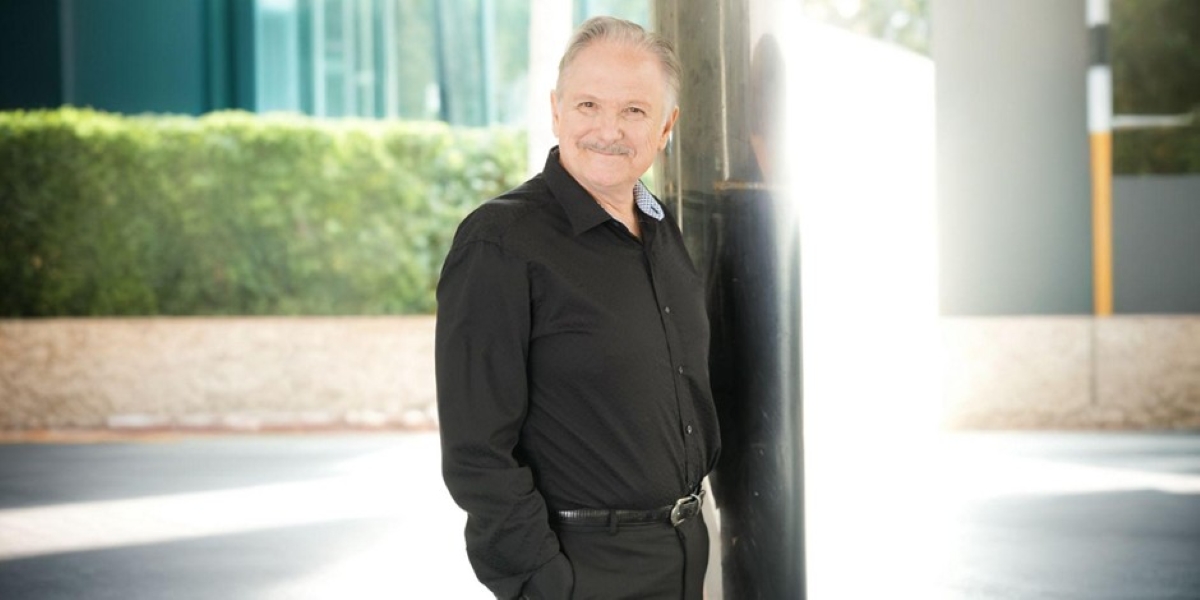
Stanton Terranova’s professional journey is defined less by titles than by questions. Trained as a maritime lawyer, he spent years inside a system built on precision, precedent, and hierarchy. On paper, it was a successful path. In practice, it left him searching for something more enduring.
“I was doing my job, but I wasn’t fulfilled by it,” Terranova says. “There’s always a carrot held in front of you. If you just gut it out long enough, you’ll be important someday, or you’ll make enough money that it won’t feel so bad.”
Over time, that promise rang hollow. Surrounded by professionals who had achieved traditional markers of success yet seemed deeply dissatisfied, Terranova began questioning the structure itself. The work was demanding, the environment adversarial, and the long-term outcome increasingly narrow. “It was a very confining space,” he reflects. “It leads to a loss of perspective.”
That realization set him on a different course, one that ultimately led to the founding of Canvas Labs and XPoll. Both ventures are rooted in a simple but uncompromising belief: independence is earned, not given. For Terranova, that principle applies equally to individuals, organizations, and systems.
“I do this to make a living, absolutely,” he says. “But the greater mission is to help people along the way and leave something genuinely useful behind. There’s no illusion here. This is about building things that work and that people can actually use.”
Terranova’s background in law continues to shape how he approaches systems innovation. Legal training emphasizes accountability, structure, and consequence, and those elements remain central to his work. What has changed is the goal. Rather than operating inside rigid frameworks, he now focuses on designing environments that allow people to collaborate more effectively across disciplines.
Canvas Labs emerged from that shift. The company centers on helping teams communicate across what Terranova calls “actual and metaphorical languages,” the different ways people think, whether in data, policy, narrative, or systems. “If everyone’s not talking about the same thing, you’re not going to get the right result, no matter how powerful the tools are,” he explains.
That philosophy extends into XPoll, which explores participation and contribution within larger systems. At its core is the idea that people deserve a voice in the structures that shape their lives, particularly as technology increasingly shapes decision-making. Terranova says, “If we don’t give systems data about how we want to be treated, they’ll make those decisions without us.”
Today, Terranova lives and works on a farm, a setting that mirrors his approach to business and life. The environment demands responsibility, attention, and long-term thinking. “You re-evaluate what it means to live, not just to work,” he says. “You see very clearly that actions have consequences.”

Stanton Terranova’s Farm
That perspective informs how he leads. Terranova values independence, but not isolation. He prefers to create environments where people are free to experiment, learn, and make mistakes without being constrained by rigid expectations or outside control. “I’ve maintained independence because it matters,” he notes. “There’s nobody telling us how to think or what to build.”
There is no grandiose narrative in Terranova’s description of his work. Instead, there is clarity. He is building businesses that reflect how he wants to live, grounded in autonomy, creativity, and accountability. “I’m not doing this because I think I’m saving the world,” he says. “I’m doing it because it’s meaningful work, and because it allows me to live in a way that makes sense to me.”
In a landscape often dominated by hype and urgency, Terranova’s approach is notably measured. He focuses less on disruption and more on coherence; less on replacing people and more on helping them work together.
His evolution from law to systems innovation is not a rejection of structure, but a refinement of it. By returning to first principles and insisting that independence must be earned through responsibility and understanding, Terranova has built a professional life that aligns with his values and businesses designed to help others do the same.