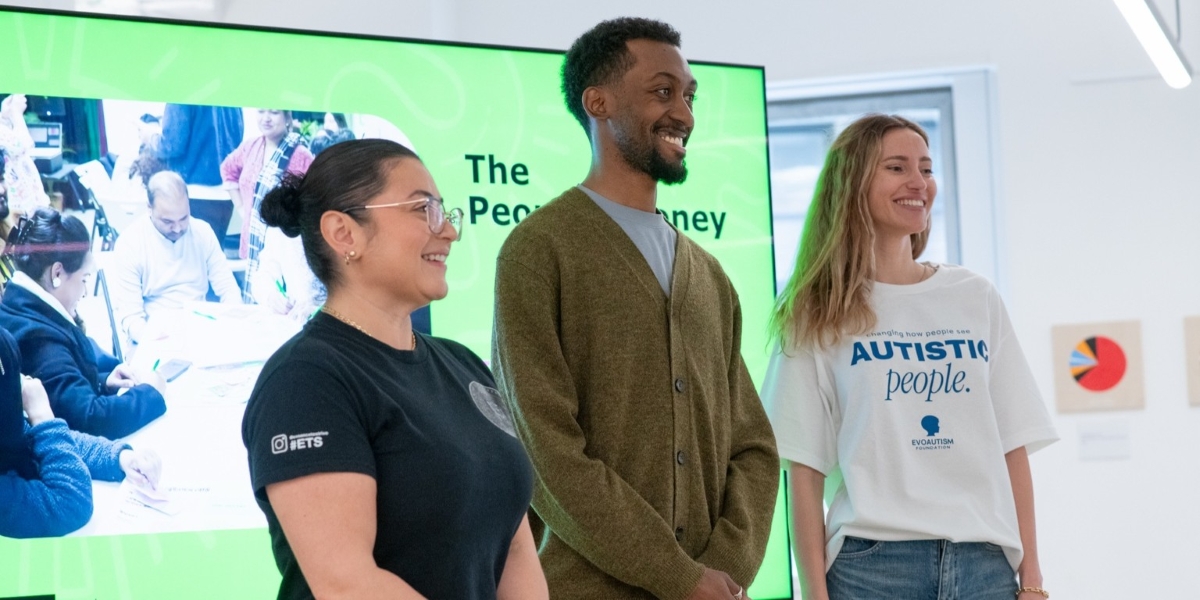

Founded by Iuliia Bazhan, the New York nonprofit hosted a participatory budgeting workshop with Positive Exposure, bringing community advocates and residents together to develop ideas for a more inclusive Brooklyn.
NEW YORK, November 8, 2026 – EvoAutism Foundation, a New York-based 501(c)(3) nonprofit founded by Iuliia Bazhan, hosted an Idea Generation Brunch on November 8 as part of The People’s Money, New York City’s participatory budgeting program led by the NYC Civic Engagement Commission (CEC).
Held at the Positive Exposure gallery in Manhattan’s Financial District, the event attracted approximately 70 registrations and brought together disability rights advocates, community leaders, and New Yorkers interested in improving public health, accessibility, arts and culture, and community spaces in Brooklyn.
The gathering was part of the fifth cycle of The People’s Money, a citywide initiative that allows residents to propose and vote on projects funded through New York City’s budget. The 2026–2028 cycle allocates $4 million for community-selected projects across the five boroughs.
For EvoAutism Foundation, whose mission is to change how society understands autistic people, the workshop offered an opportunity to connect disability awareness with direct civic participation.
How EvoAutism Foundation Became an NYC Civic Engagement Partner
In October 2026, EvoAutism Foundation was selected by the New York City Civic Engagement Commission as a Single Idea Generation Workshop Grantee for the fifth cycle of The People’s Money.
The foundation received a grant to organize a community workshop focused on Brooklyn, joining a citywide network of organizations helping residents participate in public budget discussions.
On October 13, EvoAutism participated in a group orientation organized by the Commission for workshop hosts. The training covered New York City’s participatory budgeting process, methods for facilitating community discussions, and procedures for documenting residents’ proposals.
The preparation gave participating organizations a common framework for helping residents move from identifying problems to developing practical ideas for their neighborhoods.
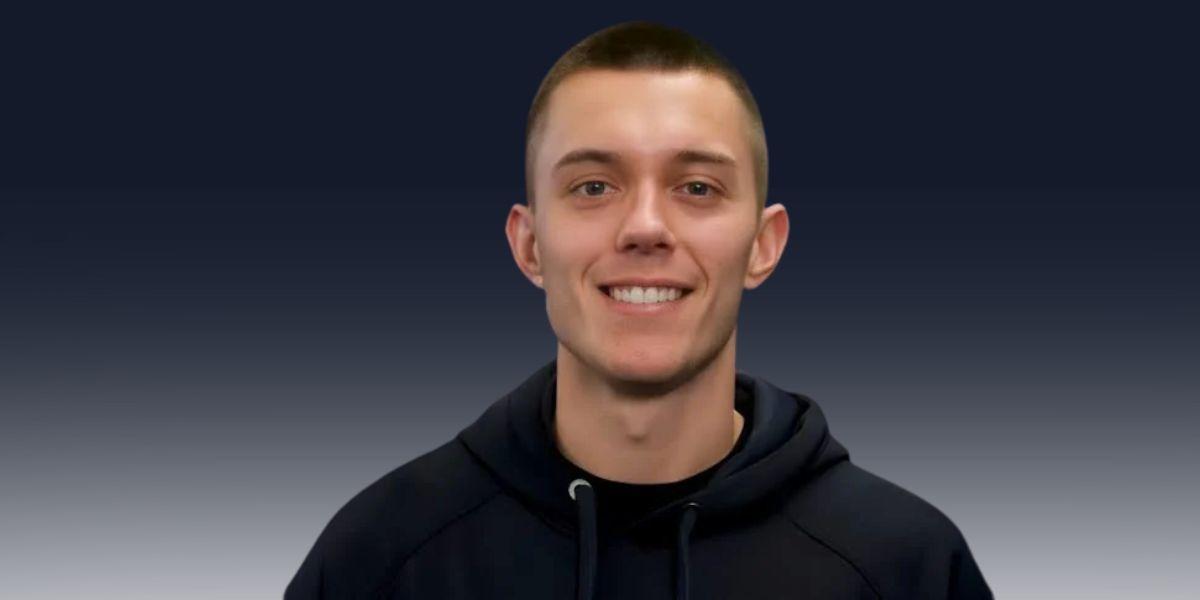
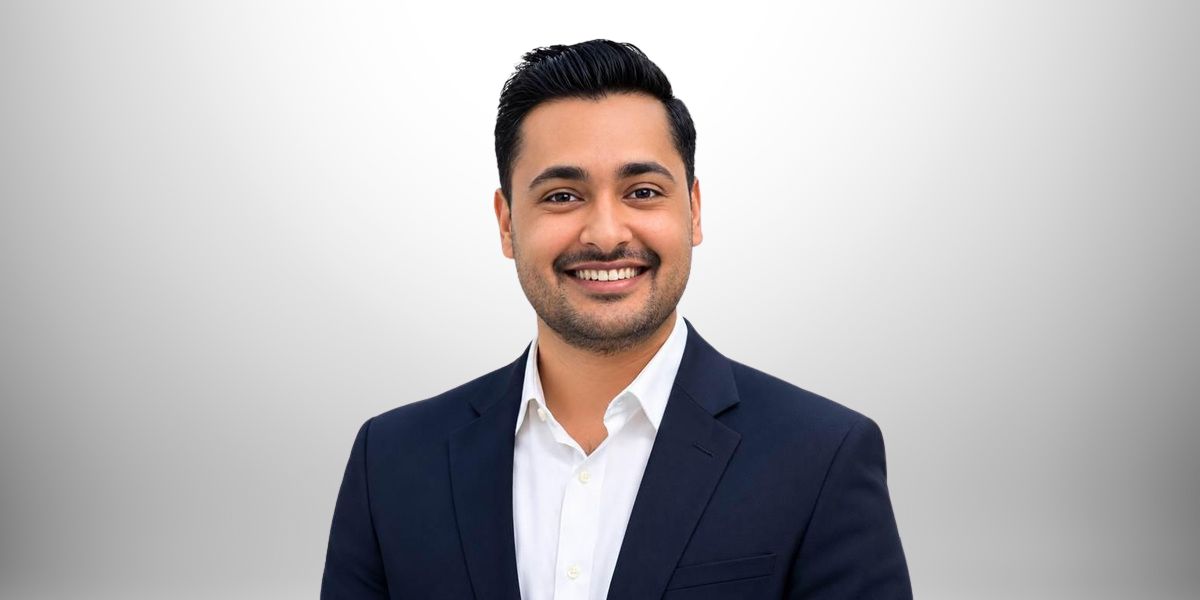
The Commission subsequently assigned Jennifer Guzman to facilitate the November 8 workshop, with Justin Usher, its Brooklyn Community Engagement Specialist, coordinating the event.
Positive Exposure and Intertwine Arts Help Bring the Workshop to Life
Finding the right venue was an important part of making the event accessible and welcoming.
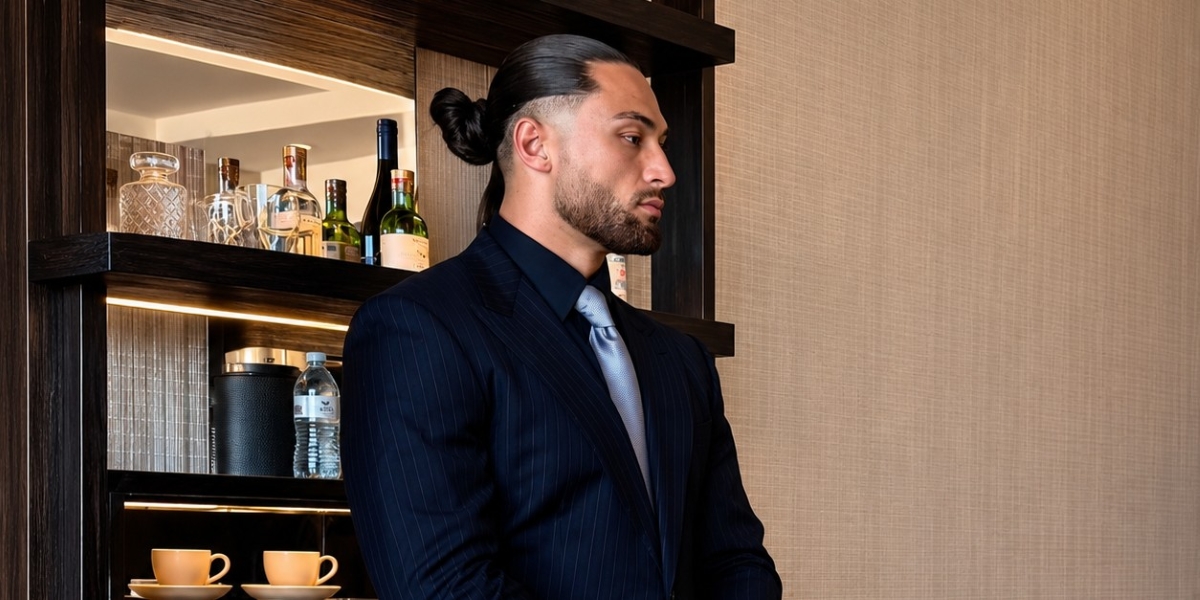
During discussions with Anna-Maie Southern, Creative Director of Intertwine Arts, Bazhan explored how to bring community members together for an in-person workshop. Southern suggested approaching Rick Guidotti, founder and director of Positive Exposure, an organization known for using photography and visual storytelling to challenge perceptions of disability and human difference.
Bazhan and Guidotti had already established a relationship through their shared interest in disability representation and public storytelling.
Guidotti welcomed the proposal to hold the gathering at Positive Exposure’s gallery at 83 Maiden Lane in Lower Manhattan. Together with Southern, the organizations coordinated the arrangements and helped connect the event with their communities.
The collaboration brought together EvoAutism Foundation’s work in autism awareness, Intertwine Arts’ community-based creative programs, and Positive Exposure’s approach to disability representation.
The result was an Idea Generation Brunch that combined a structured civic workshop with the openness of a community gathering.
Disability Advocates and Brooklyn Residents Discuss City Priorities
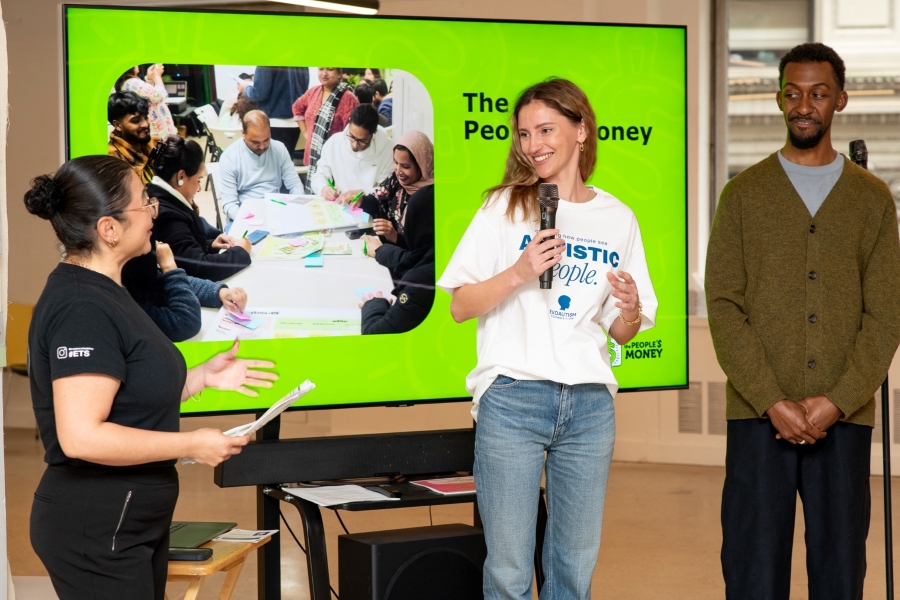
On Sunday, November 8, from 10 a.m. to noon, participants gathered at Positive Exposure to learn about New York City’s $127 billion expense budget for fiscal year 2026–2027 and explore how public spending affects their communities.
Facilitated by Jennifer Guzman, with support from Justin Usher, the workshop invited participants to examine budget priorities and consider where additional investment could improve daily life.
Discussions focused particularly on health and wellbeing, arts and culture, disability accessibility, and inclusive public spaces.
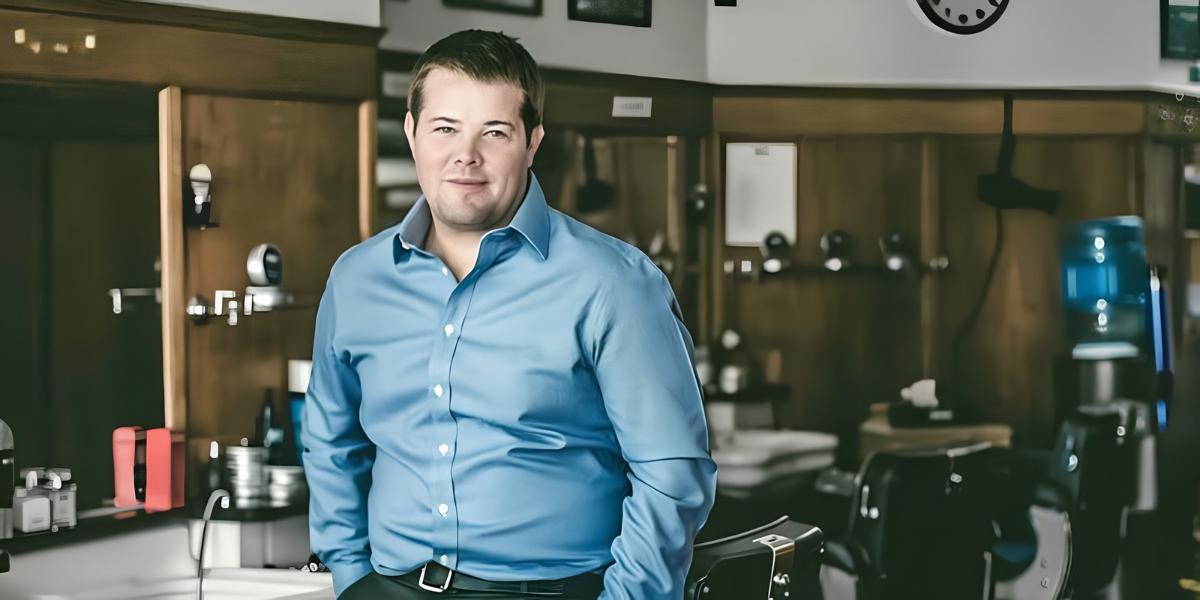
Among the attendees were disability advocates Debra and Christopher Greif, as well as Rachel and GregOry Frumin, who had contacted the organizers in advance to request American Sign Language (ASL) interpretation.
Working with Rick Guidotti and Positive Exposure, EvoAutism arranged ASL support for the event, helping Deaf participants take part in the discussion.
Leslie Brand of Fordham University’s MINDS program also attended.
The participation of community advocates and residents with different experiences of disability highlighted a central question: how can New York City make sure that people who encounter barriers in everyday life have a meaningful voice in decisions affecting their communities?
Two Ideas for a More Inclusive Brooklyn
Among the proposals discussed at the workshop were two concepts connecting public wellbeing, accessibility, and creative expression.
A Shared Community Space for Work, Creativity, and Connection
One idea explored creating an inclusive community space in Brooklyn where residents could work quietly, connect with others, and participate in scheduled creative workshops.
The proposed venue would serve different needs throughout the day, offering an environment for individual work alongside opportunities for learning, artistic expression, and community participation.
Art workshops could also provide a way for people with disabilities to communicate their experiences and describe barriers they encounter in education, employment, public spaces, and everyday life.
The concept combined several priorities raised during the discussion: mental wellbeing, accessible community facilities, social connection, and opportunities for creative participation.
Rather than offering a single-purpose service, the proposed space would bring these functions together in one location.
Public Art That Makes Disability Barriers Visible
A second idea focused on an outdoor public art installation that would bring disability awareness into the everyday urban environment.
The concept envisioned large-scale visual displays in accessible public locations, using portraits, personal stories, and clear explanations to show barriers experienced by people across different disability communities.
The installation could address obstacles that often remain invisible to those who do not encounter them, including communication barriers, inaccessible public environments, and misconceptions surrounding different disabilities.
By placing these stories in streets, parks, or other public spaces, the initiative would reach people who might never attend a disability-focused exhibition or community discussion.
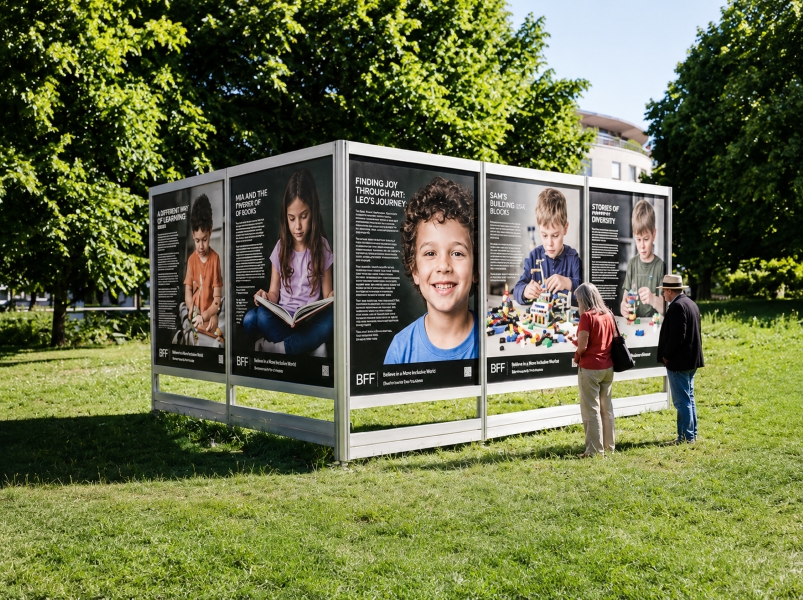
(Concept visualization of an outdoor exhibition using portraits and personal stories to raise awareness of autism and disability barriers. Illustration, not a photograph of the November 8 workshop or an approved installation.)
The two concepts were discussed as potential Brooklyn community projects. Neither has been approved for funding, and both would require further development and review through the city’s participatory budgeting process.
Iuliia Bazhan and EvoAutism Foundation: From Autism Awareness to Civic Participation
For Iuliia Bazhan, Founder and Executive Director of EvoAutism Foundation, the November workshop was closely connected to the organization’s broader mission.
Bazhan founded EvoAutism to change public perceptions of autistic people through authentic personal stories, photography, and cultural experiences.
The foundation’s principal initiative, Autism Through Talent, is a public exhibition project presenting autistic individuals through portraits and first-person narratives. Designed for libraries, cultural institutions, and other public environments, the exhibitions aim to challenge stereotypes and help visitors understand how individual experiences intersect with barriers in society.
The Brooklyn Idea Generation Workshop extended this work beyond the exhibition setting.
Instead of focusing solely on how disability is represented, participants were invited to consider how cities can respond to the needs and experiences of disabled residents.
The connection is practical: understanding people’s experiences can inform decisions about public services, community programs, accessibility, and the use of shared spaces.
EvoAutism’s role was not to create public policy or determine which proposals would receive funding. It was to bring people together, support their participation, and help connect community perspectives with an existing city decision-making process.
What Happens Next in NYC’s Participatory Budgeting Process?
The November 8 workshop was part of the Idea Generation phase of The People’s Money’s fifth cycle.
New Yorkers can submit additional proposals through November 18, 2026, at participate.nyc.gov.
The process continues with Borough Assemblies in early 2027, followed by a citywide voting period in May and June. Residents aged 11 and older can participate in selecting projects for potential funding.
Winning projects will subsequently move toward implementation through local organizations.
For EvoAutism Foundation, the event provided an opportunity to participate in New York City’s civic life while developing relationships with disability advocates, community organizations, and cultural institutions.
It also demonstrated how a nonprofit focused on autism acceptance and representation can contribute to broader conversations about inclusive public spaces and community needs.
The workshop began with a city invitation, moved forward through partner training and collaboration, and culminated in residents sharing ideas for their borough.
Its wider significance lies in the connection between disability visibility, community participation, and practical public decisions.
About EvoAutism Foundation
EvoAutism Foundation is a New York-based 501(c)(3) nonprofit organization founded by Iuliia Bazhan (Julia Bazhan). The foundation works to improve public understanding of autism and neurodiversity through exhibitions, photography, and personal storytelling.
Its flagship initiative, Autism Through Talent, presents the lived experiences, abilities, and perspectives of autistic people in public cultural and community settings. By connecting individual stories with social barriers, the foundation seeks to encourage more inclusive decisions in education, employment, public services, and everyday life.
Learn more at evoautism.org.
Acknowledgments
EvoAutism Foundation thanks the NYC Civic Engagement Commission, Jennifer Guzman, and Justin Usher for their support; Rick Guidotti and the Positive Exposure team for providing the gallery space; and Anna-Maie Southern and Intertwine Arts for helping bring the collaboration together.
We also appreciate Breads Bakery for generously providing breakfast pastries and supporting our community workshop under NYC’s The People’s Money initiative.
Event photography: James Lattanzio, instagram: @jameslattanzioph
Sources and Further Information
- NYC Civic Engagement Commission: The People’s Money
- The People’s Money, Fifth Cycle (2026–2028)
- EvoAutism Idea Generation Brunch, November 8, 2026
- Positive Exposure
- Intertwine Arts
- EvoAutism Foundation