
By: Lennard James
The legacy of Dr. Logan H. Westbrooks is deeply connected to the history of American music, the advancement of Black artists, and the transformation of the recording industry. His career represents more than personal achievement. It tells the story of a determined Memphis native who entered an industry with limited opportunities for African American professionals and helped open doors that had remained closed for generations.
Long before diversity became a widely discussed corporate priority, Dr. Westbrooks understood that Black music deserved strong leadership, professional marketing, proper investment, and access to the world’s largest audiences. He recognized that the artists creating the music also needed knowledgeable executives behind the scenes who understood their culture, respected their creativity, and could advocate for their success.
Throughout his career, Dr. Westbrooks held leadership positions with several major record companies, including CBS Records, Mercury Records, Capitol Records, and other influential music organizations. At CBS Records, he became the company’s first head of its Black Music Marketing Division. His leadership helped establish a more focused approach to promoting Black artists and reaching the audiences who supported their music. His work proved that Black music was not a secondary market. It was a cultural and commercial force capable of influencing the entire world.
Dr. Westbrooks worked during a defining period in the evolution of soul, rhythm and blues, funk, gospel, and popular music. These genres were shaping American culture, but Black executives were still fighting for recognition and decision-making authority inside major record companies. Dr. Westbrooks entered those corporate spaces with knowledge, confidence, discipline, and a clear understanding of the music’s value. He helped challenge outdated industry practices while creating opportunities for artists, executives, marketers, producers, and entrepreneurs who followed him.
In 1978, Dr. Westbrooks founded Source Records, an independent label distributed by MCA Records. Through Source Records, he continued demonstrating his ability to recognize authentic talent and connect distinctive music with a national audience. One of the label’s greatest successes was Chuck Brown and the Soul Searchers’ “Bustin’ Loose,” a landmark recording that helped introduce Washington, D.C.’s go-go sound to listeners across the country. The song and album became commercially successful, and “Bustin’ Loose” grew into an enduring cultural anthem. Dr. Westbrooks served as executive producer of the album, helping bring a regional musical movement into the national spotlight.
His influence, however, cannot be measured only through record sales, chart positions, or corporate titles. Dr. Westbrooks also helped change how the music industry approached Black consumers. He understood that meaningful marketing required cultural awareness, community engagement, and respect for the audience. His work helped demonstrate that Black music should be supported by professionals who understood both its business potential and its cultural importance.
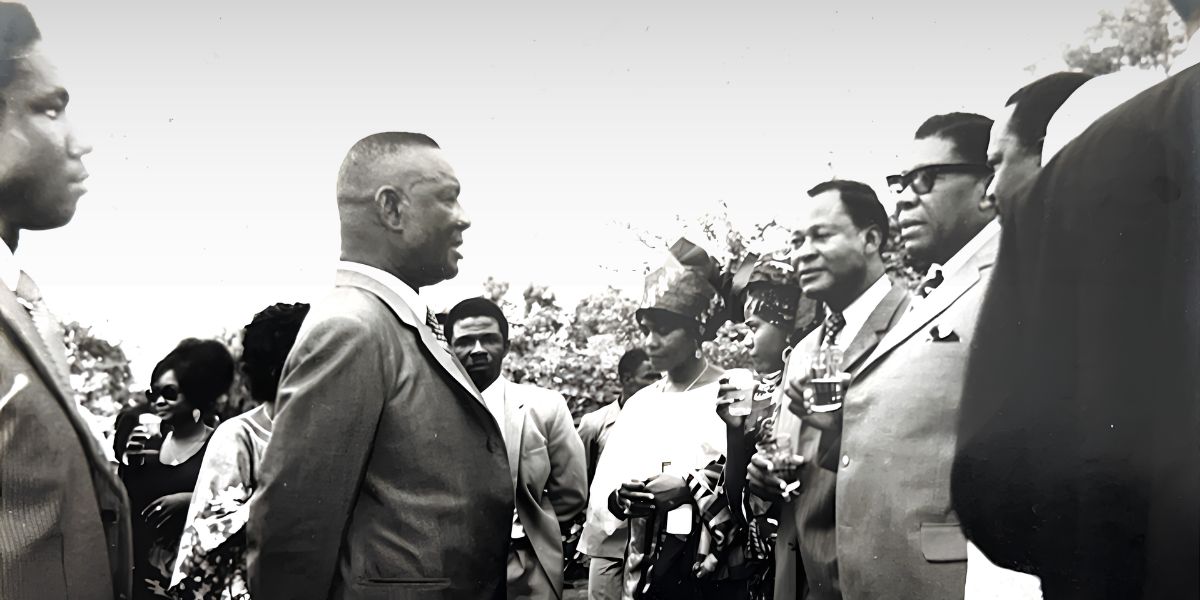
His leadership also carried an international dimension. During his time with CBS Records, Dr. Westbrooks traveled beyond the United States and participated in efforts to expand the global reach of Black music. Through these experiences, he helped connect African American creativity with international audiences while showing that music could cross borders, languages, and political boundaries. His career became an example of what was possible when cultural understanding was paired with business knowledge and global vision.
Dr. Westbrooks has also dedicated significant energy to education, mentorship, and the preservation of music history. Rather than keeping his knowledge within private industry circles, he has shared his experiences with students, artists, executives, and aspiring entrepreneurs. His book, The Anatomy of the Music Industry: How to Survive in the Music Business, offers practical insight into an industry that can be difficult to understand and even harder to navigate. Through his writing and public speaking, he has encouraged others to learn the business behind their talent and protect the value of their creative work.
His contributions have received recognition from institutions that understand the importance of preserving Black cultural history. In 2014, LeMoyne-Owen College in Memphis conferred upon him an honorary Doctor of Humane Letters. The Logan Westbrooks Collection is also preserved through Indiana University’s Archives of African American Music and Culture, ensuring that future researchers, students, and music professionals can study his work and its lasting influence.
For Memphis, Dr. Westbrooks represents the city’s extraordinary contribution to global music. Memphis has produced legendary performers, songwriters, musicians, producers, and executives, and his story adds an essential business perspective to that history. He reminds us that the people negotiating contracts, developing marketing strategies, building labels, and advocating inside corporate offices are also part of the story behind the music.
Dr. Logan H. Westbrooks built a legacy by combining vision with action. He entered rooms where Black leadership was often absent and used his position to create opportunity. He helped artists reach larger audiences, strengthened the business foundation of Black music, and preserved lessons that can guide future generations.
His legacy lives through the music he helped advance, the barriers he helped break, and the people he continues to inspire. Dr. Westbrooks did more than participate in music history. He helped shape it, protect it, and move it forward.