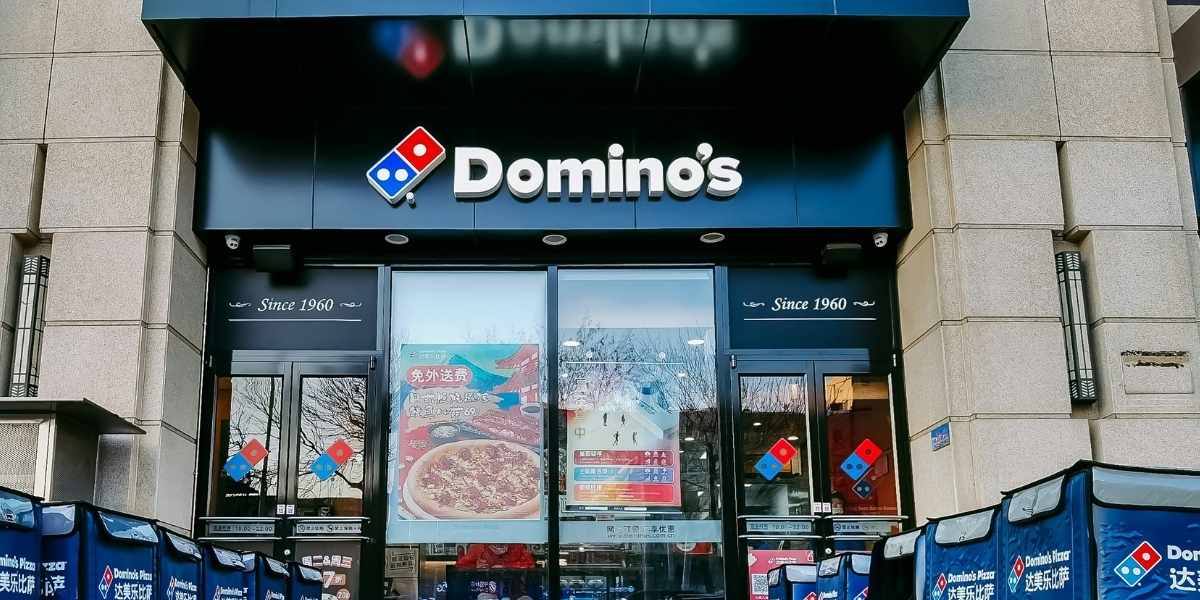

Joe Jordan CEO plans at Domino’s moved into focus this week after the company confirmed a leadership transition that will take effect later this year. Joe Jordan will assume the role of chief executive officer on October 1, while current CEO Russell Weiner will move into the position of executive chairman, establishing a planned succession process for the restaurant chain’s top leadership role.
The announcement provides several months for the transition before the change becomes official. Jordan, who has held senior leadership positions within the company, is expected to oversee day-to-day operations once he takes over as chief executive. Weiner will continue to be involved with the organization through his new position on the board.
The move represents a structured leadership handoff rather than an immediate executive change. By announcing the succession in advance, the company is providing employees, franchisees, investors, and business partners with a defined timeline ahead of the October transition.
Leadership Change Scheduled for October
The leadership transition is scheduled to take effect on October 1. At that time, Jordan will become the top executive responsible for the company’s operational and strategic management.
Weiner’s move to executive chairman will keep him involved in corporate governance and long-term oversight. Executive chairman roles typically allow former chief executives to remain engaged with board activities while transferring operational responsibilities to a successor.
The planned transition follows a common succession approach used by large corporations seeking continuity in leadership. The arrangement allows for knowledge transfer between executives while preserving organizational stability during the change.
Company leadership transitions often involve coordination across multiple business functions, including franchise operations, corporate management, supply chain activities, marketing efforts, and international business units. The advance notice provides an opportunity for internal teams and external stakeholders to prepare for the upcoming shift in responsibilities.
Domino’s operates through a network of company-owned and franchised stores across numerous markets. Maintaining continuity during leadership changes is considered important because of the scale of its operations and the broad range of business relationships connected to the brand.
Joe Jordan’s Role Within the Organization
Jordan has been part of Domino’s leadership team and has held senior executive responsibilities before being selected for the chief executive position.
His experience inside the company provides familiarity with its operating model, franchise structure, and corporate priorities. Internal succession plans are often designed to preserve institutional knowledge while allowing a new chief executive to assume broader responsibilities.
Large restaurant companies typically manage complex networks involving franchise owners, suppliers, distribution systems, technology platforms, and marketing operations. Senior executives who have worked across multiple areas of the business often gain experience with these interconnected functions before being considered for top leadership positions.
The company’s decision to elevate Jordan places an executive with existing organizational experience in the chief executive role. Internal candidates are frequently viewed as capable of maintaining continuity because they already understand the company’s operating systems and strategic objectives.
Jordan’s appointment also establishes a clear timeline for leadership responsibilities to shift over the coming months. Until October, the company will continue operating under Weiner’s leadership while preparing for the transition.
Russell Weiner to Move Into Executive Chairman Position
Weiner has served as chief executive officer during a period that included ongoing expansion efforts and operational management across the company’s global business.
His upcoming transition to executive chairman will allow him to continue participating in leadership matters from a board-level position. Executive chairmen often work closely with directors and senior management teams on governance issues, strategic planning, and long-term corporate priorities.
The role differs from that of chief executive officer because it focuses less on daily operational oversight and more on broader organizational direction. While specific responsibilities can vary between companies, executive chairmen generally provide guidance while allowing the incoming CEO to manage day-to-day business activities.
Leadership transitions that involve a move from CEO to executive chairman are sometimes used to provide continuity during succession periods. The structure can support communication between outgoing and incoming executives while preserving institutional knowledge.
For franchise-based businesses, leadership continuity can be particularly significant because franchise operators often maintain long-term relationships with corporate leadership teams. Advance succession planning helps establish expectations regarding future management structures and decision-making authority.
The company has outlined a clear separation between the responsibilities that will remain with the board and those that will transfer to the new chief executive once the transition takes effect.
Succession Planning and Corporate Governance
Executive succession planning is a standard responsibility for corporate boards. Public and private companies alike often develop long-term plans to identify potential leaders and establish processes for transitions when executive changes occur.
Planned successions differ from unexpected leadership departures because they provide organizations with time to communicate decisions, define responsibilities, and prepare stakeholders for changes in management.
Boards frequently evaluate leadership pipelines years before transitions occur. These evaluations may consider executive experience, operational knowledge, strategic decision-making, and organizational leadership capabilities.
In franchise-driven businesses, succession planning can carry additional importance because operational performance depends on coordination between corporate leadership and independently owned locations. Consistent leadership communication can help support continuity across those relationships.
The decision to announce the transition months before implementation provides a structured schedule for the leadership handoff. Such timelines can reduce uncertainty among employees and business partners while allowing incoming executives to prepare for expanded responsibilities.
Corporate governance practices often emphasize leadership continuity as part of broader risk management efforts. Establishing clear succession plans can help organizations maintain operational stability when executive changes occur.