
By: Jaqueleen Larson
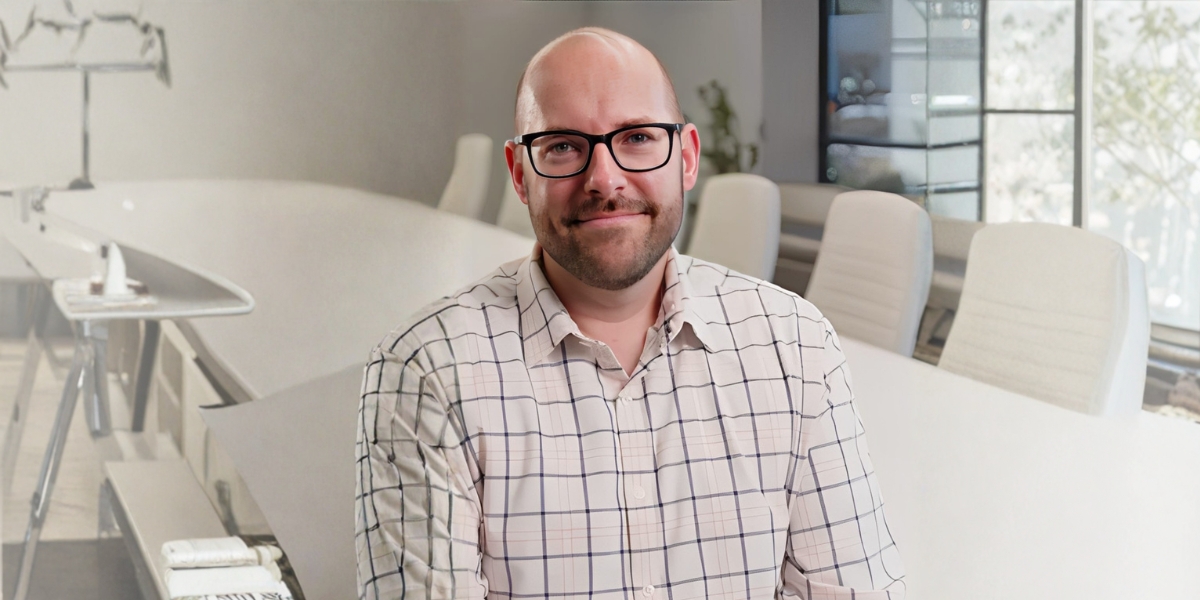
For Dan Faina, president of Williams Rebuild, the past year of wildfire recovery efforts in Southern California has reinforced a truth that now anchors every decision his team makes: rebuilding after disaster is not just a construction challenge, it is a human one.
Families who come to Williams Rebuild are rarely starting from a place of readiness. They arrive carrying grief, uncertainty, and exhaustion long before they are prepared to discuss timelines, design choices, or permitting. According to Faina, that reality has reshaped how his organization approaches recovery work from the ground up.
“Clarity and compassion are just as important as technical expertise,” Faina has emphasized. When homeowners feel heard, understand the process, and trust that someone is advocating for them, the rebuild becomes less overwhelming. That insight has led Williams Rebuild to embed service, communication, and empathy into every stage of recovery, not as optional features, but as core operating principles.
Shaping Strategy Through Experience
Navigating post-fire rebuilds over the last year has sharpened Williams Rebuild’s strategic priorities heading into 2026. Preparedness, scalability, and resilience now sit at the center of the company’s long-term planning.
Rather than reacting only after disaster strikes, Faina and his leadership team are focused on building systems that allow for faster, more holistic responses, without sacrificing the personal touch that defines their work. Earlier engagement with homeowners, stronger coordination with municipalities and utilities, and proactive education are all part of a strategy designed to reduce friction, shorten recovery timelines, and provide stability when families need it most.
The goal, Faina says, is not just efficiency, but reassurance, helping people regain a sense of control during moments of profound disruption.
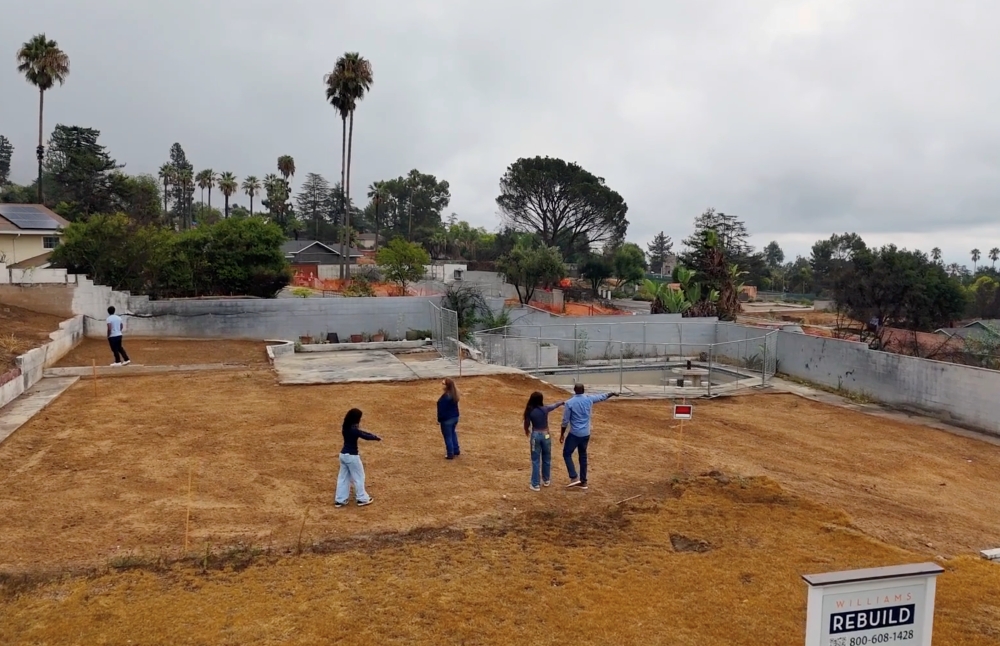
Williams Rebuild will continue its work throughout Altadena and neighboring communities, supporting families through design, permitting, and construction — and honoring both the weight of what was lost and the resilience that continues to define Southern California.
Scaling Service Without Losing Soul
Williams Rebuild is known for its concierge-level, community-centric approach to disaster recovery, a model that becomes more challenging as demand grows. For Faina, preserving that ethos starts with culture.
The company prioritizes hiring and developing team members who understand that rebuilding is deeply personal work. Behind the scenes, processes are standardized and supported by technology so frontline teams can focus their energy where it matters most: with homeowners.
“Technology supports consistency,” Faina notes, “but empathy drives the experience.” As Williams Rebuild scales, success is measured not only by volume, but by trust, responsiveness, and outcomes for families and communities.
Innovating for a More Humane Recovery Process
Looking ahead to 2026, Williams Rebuild is expanding innovations that could reduce stress and uncertainty for homeowners. Digital project-tracking tools will provide real-time visibility into schedules, approvals, and next steps, a level of transparency that helps families feel informed and supported.
The company is also investing in pre-approved design pathways and streamlined permitting strategies to potentially reduce delays in high-impact zones. At the same time, Williams Rebuild is deepening partnerships with insurance professionals, mental-health resources, and local organizations to provide more comprehensive support.
Faina is clear-eyed about the reality: recovery doesn’t happen in silos, and rebuilding shouldn’t either.

Backed by nearly 30 years of experience through Williams & Watt Builders, the team provides an all-in-one, family-centered rebuilding approach — guiding homeowners from planning and permitting through construction and returning home.
Purpose and Performance Are Not Opposites
As Williams Rebuild continues to grow, Faina rejects the idea that business objectives and emotional responsibility are competing priorities. In his view, they are fundamentally interconnected.
Sustainable growth, he believes, only comes from delivering real value and earning long-term trust. Internally, leadership expectations reflect that philosophy: performance matters, but purpose matters just as much. Decisions are evaluated not only on financial outcomes, but on their impact on families, team well-being, and community recovery.
“When you lead with integrity,” Faina often says, “the business follows.”
Preparing for What Comes Next
The road ahead is not without challenges. Rising construction costs, labor shortages, regulatory complexity, and the increasing frequency of climate-driven disasters are reshaping the rebuilding landscape. Emotional burnout, among homeowners and industry professionals alike, is another growing concern.
To meet these challenges, Williams Rebuild is investing in workforce development, strengthening supply-chain relationships, and advocating for more coordinated recovery frameworks. Internally, the leadership team is focused on resilience, ensuring their people have the tools, clarity, and support needed to sustain meaningful work over the long term.
For Dan Faina, the mission remains clear: rebuilding homes is important, but rebuilding trust, dignity, and community is what truly defines success.