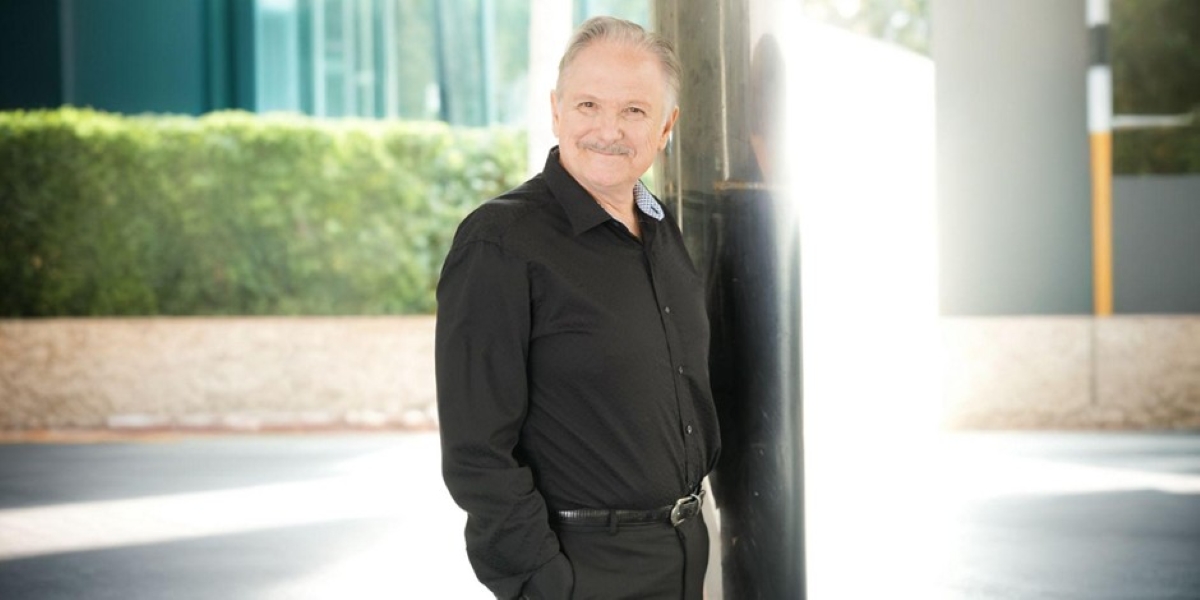


The conversation about the future of work rarely begins where it should. It tends to cluster around the institutions, cities, and zip codes already recognized as talent pipelines. Erskine “Chuck” Faush has spent more than a decade relocating that conversation, specifically to the yards of historically Black colleges and universities.
Faush is the driving force behind the 2150 Center for Innovation and emagineNow, and the architect of The Yard, the first national HBCU Innovation platform. His career has spanned public service, national media, economic development, and community investment. What binds those chapters together is a consistent focus on the gap between where talent exists and where opportunity flows.
HBCUs enroll roughly 10 percent of all Black college students in America while producing the largest share of Black graduates in STEM fields, law, medicine, and business. Yet these institutions have historically received a fraction of the venture capital attention, philanthropic endowments, and innovation infrastructure granted to predominantly white research universities. For Faush, the recent surge in HBCU philanthropic investment presents both validation and urgency, confirming the argument he has been making for years while raising the stakes for getting the infrastructure right.
The Yard addressed that gap directly. Launched in 2019 through his work as a Birmingham entrepreneur and civic leader, the platform created a national stage for HBCU technology, talent, and culture. The initiative seeded pitch competition scholarships, grants, and internships totaling one million dollars, rewarding students who could carry an idea from classroom theory to boardroom execution. Dream Spaces were established at Tennessee State University and Alabama A&M University as physical hubs for student innovation and entrepreneurship.
The follow-on initiative, 250X2025, took a sharper economic aim. The goal was to secure 250 internships for HBCU students in media, technology, and high-growth industries, connecting them with employers at a $100,000 job tier. The projected $250 million in earnings impact over a decade reflects what structured talent pipelines actually produce when they are built with precision.
Faush also integrated AI tools into the pipeline. Latimer, a large language model trained with additional African American historical content, was developed to reduce the data gaps and bias risks that standard AI tools carry when applied to Black and brown talent. The Ready intelligent interview tool was designed to align student talents with industry needs, reducing the friction that often derails promising candidates during hiring. Faush has been supporting Latimer.ai founder John Pasmore in building an ecosystem of institutions, starting with the pilot school Miles College in Birmingham, Alabama.
As CEO and Founder in Residence of the 2150 Center for Innovation, he launched an HBCU-aligned business accelerator to support startup growth and has since been selected to pilot a new AI-powered mentorship program. Institutions including Florida A&M University have expanded their iLab collaboration with 2150 to advance AI-driven campus and community development, with research, policy, and commercial growth folded into a single operating model.
These are not isolated programs. They are components of an infrastructure Faush has been assembling across years, partnerships, and geographies. The underlying logic is consistent: talent development and economic development are the same investment, and the returns compound when the infrastructure is built to last.
Faush served as President of the entertainment division of a large privately held radio and digital media company, where he led national events and earned industry recognition across multiple platforms. This followed public service as Chief of Staff to Birmingham Mayor William Bell, where he led the Fifty Forward Campaign that yielded a Presidential National Monument designation for Birmingham’s civil rights district. From Birmingham to Chicago, he provided foundation oversight and led the award-winning community and economic development team of one of the nation’s largest utilities.
The throughline across those roles is a commitment to building things that outlast the moment. Innovation centers, mentorship cohorts, policy institutes, talent pipelines. The question Faush keeps returning to is not whether HBCU talent is ready for the economy. The question is whether the economy has built the infrastructure to receive it. His work suggests that answer requires less reliance on government and more private investment. The architecture of the new HBCU economy is already underway.