
By: Viraj Shah
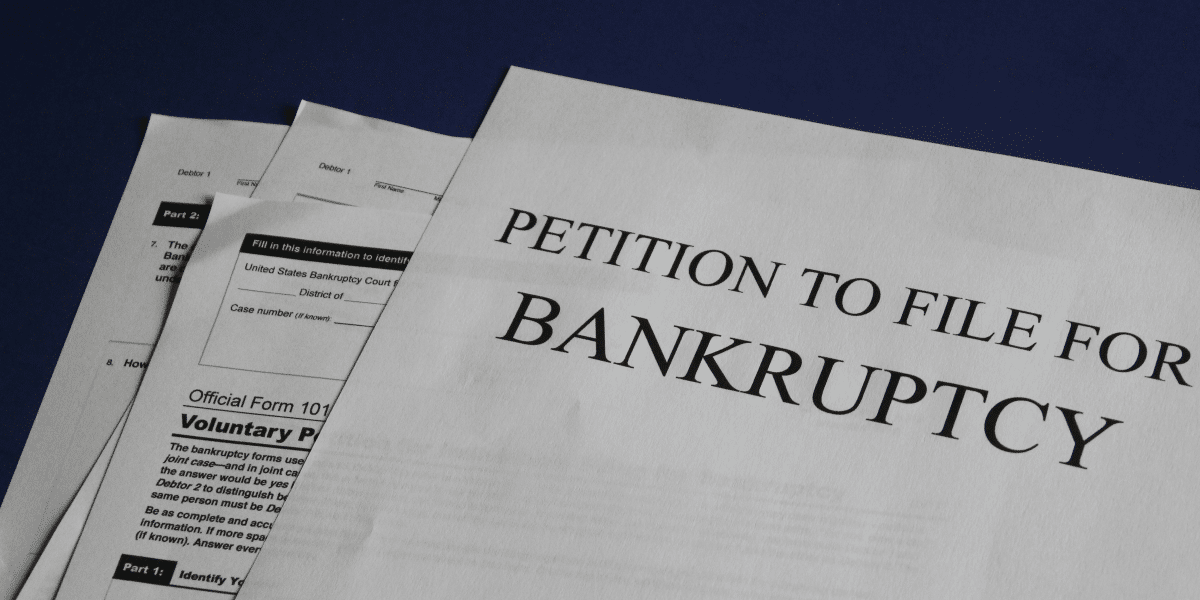
The decision to file for bankruptcy may be a defeat, but it could be the right financial choice for your business in some cases. If you struggle to pay bills, lose employees, or fall deeper into debt each month, bankruptcy could be the right strategic decision you make in the long run. Here are the key signs a business should consider bankruptcy.
Cash Flows Are Steadily Decreasing
Every business needs consistent revenue streams to operate efficiently, let alone turn a profit. If your cash flows continue to decline, you lose the ability to meet your financial obligations. From missing invoices to falling behind on debt payments, dwindling cash flows ultimately indicate that your business may need to be more sustainable in its current state.
You Can’t Afford Your Operating Expenses
High debt levels can compromise a business’s ability to perform its standard duties. Acquiring supplies, maintaining equipment, and even keeping a full staff can suddenly become enormous challenges to your organization.
First, consider how you can begin to cut down on costs and become more agile in your spending. When you’ve exhausted all your options but the cost of running your business is still too high with debt and bills, you might have to consider filing for bankruptcy.
High Employee Turnover
When employees begin to leave the company, it’s a clear sign that something is wrong. They may not be happy with their jobs, but a bigger issue could be that they feel like the company is a sinking ship. They want to get out now before it’s too late and they’re laid off with an organization that can’t even afford severance pay.
You shouldn’t wait until you’re completely out of options to file bankruptcy. In many cases, businesses that act sooner than later ultimately turn things around for the better.
Borrowing is Increasing
If you continually have to rely on loans to generate capital or even meet regular expenses, then you should seriously evaluate your financial health. Every company needs to have a clear idea of where it’s going and how it will get there, financially speaking. Over-reliance on loans ultimately weakens an organization and puts it at a higher risk of becoming insolvent.
Interest Costs Are Too High
The rising cost of interest rates can make it difficult for even successful businesses to keep up with their bills. What’s worse, too much outstanding debt ultimately means thousands of dollars in interest. Companies can reach a point of negative amortization, where interest rates continue to increase on top of your payments, ultimately leaving you in a constant loop of debt.
Is Bankruptcy the Right Call?
You should consult with your accountant, lawyer, and a business debt counselor before you decide to file for bankruptcy. It is not a decision to make lightly, but it could ultimately make the difference between losing everything to debt and slowly taking steps to work your way out of it.
A business can file for bankruptcy without dissolving depending on what type of bankruptcy they file. This ultimately allows you to keep doing work and generate a profit while easing some of the financial strain you were facing before.
Disclaimer: “This content is for informational purposes only and is not intended as financial advice, nor does it replace professional financial advice, investment advice, or any other type of advice. You should seek the advice of a qualified financial advisor or other professional before making any financial decisions.”
Published by: Nelly Chavez