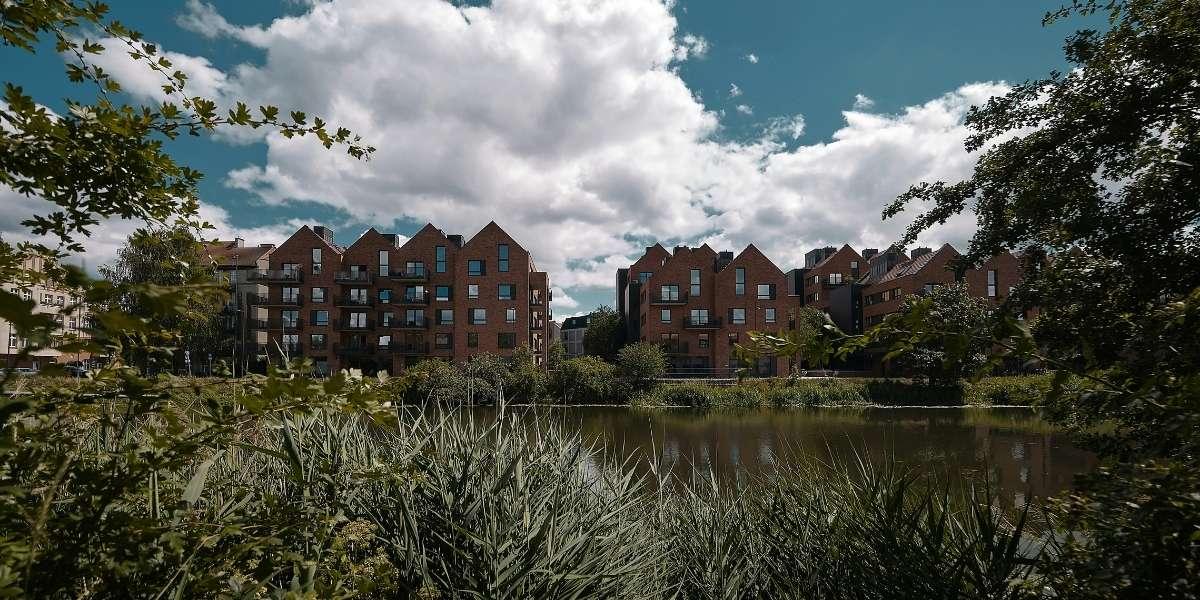

From 2021-24, multifamily housing developers couldn’t build enough units fast enough. Even as interest rates rose to nearly 8 percent in 2023, multifamily completions soared that year and again in 2024, when builders delivered 608,000 units. It was the busiest year for multifamily construction since 1986.
But booms burst and bubbles fade, leading the industry down new paths. May 2026 multifamily starts dropped 14 percent year-over-year, according to the National Association of Home Builders, as the construction cycle continues to lurch through a recovery phase. The next boom is still a few years away as the industry untangles concerns about rates, construction costs, and vacancies in oversaturated markets.
Some investors are retreating to the successful playbook of acquisition, despite volatile vacancies and those pesky high interest rates that are curbing cap rates. There’s still appeal to the formula of acquiring an undervalued asset, making key upgrades, and delivering rent growth. Development can wait, at least for a while.
But investors seeking construction opportunities can find them, even in this environment.
By identifying the right combination of submarket value, incentives, and renter needs, builders can deliver new construction that minimizes risk and generates value.
Where Development Still Makes Sense
Development has contracted because it’s expensive and, in some locations, redundant. Multifamily starts fell more sharply in the Midwest and West, according to the NAHB, while permits were down sharply in the South (a combined 6.7 percent lower for single- and multifamily).
In particular, submarkets in parts of Texas, Tennessee, and the Sun Belt are weighed down by inventory overload that is pausing rent growth or prompting lease incentives. While development in those locations will be difficult, other regions are incentivizing new construction by coupling desirable demographic data with low inventory.
Multi-Housing News recently identified 10 emerging U.S. markets to consider for new construction. They’re quite diverse: Seattle and Boise, Idaho, are far different markets from Savannah, Georgia, and Tulsa, Oklahoma.
However, these markets share some common denominators: growing job markets, desirable locations as distribution and transit hubs, and apartment shortages. Consider Huntsville, Alabama. Space Command is relocating to Huntsville, potentially bringing $40 billion in investment to the region. Though Huntsville’s construction pipeline is stronger than that of other markets, it could be a growth location for another decade.
In the Northeast, the Allentown-Bethlehem market in eastern Pennsylvania has become a major logistical hub, easily accessible from Philadelphia, New York, Baltimore, and Washington, D.C. Job growth is strong, but starts and deliveries aren’t keeping pace. With an occupancy rate of 96.7 percent, the region needs more units.
Multifamily is ultimately a local business. Success depends on submarket knowledge of unit needs, construction costs, and where to obtain capital. Investors locate the best opportunities through block-by-block analysis and relationships with brokers, property owners, and municipal officials. These strategies are valuable in any economic environment.
Incentives Make a Difference
Government incentives frequently play a role in multifamily development, particularly in the construction of affordable housing. The most prominent is the Low-Income Housing Tax Credit (LIHTC) that supports multifamily construction.
According to Fannie Mae, the LIHTC has contributed more than $5 billion in equity investments and helped build more than 100,000 affordable units. These programs, however, have limited funding and operate with strict income and rental restrictions.
Market-rate investors look for other incentives. Some states and municipalities partner with private investment to lower barriers to development. States like Rhode Island offer additional tax credits to developers in conjunction with LIHTC. The city of Chattanooga, Tennessee, developed a program called PILOT, which offers a 15-year property-tax abatement to develop affordable units. The program has been called a model for other cities to consider.
Some developers specialize in building primarily in municipalities that offer tax credits, enterprise zones, and other cost-saving measures. Finding regions willing to partner with private investment helps create more favorable conditions for construction.
Advice for Developers: Move Fast, Think Small
For developers entering the market today, the best opportunities are smaller. They don’t require investors to scale land or capital acquisition and often start with fewer zoning and regulatory headaches.
Projects of 30-60 units can be easier to finance, quicker to build, and more adaptable to local market conditions. Developers should look for cities and municipalities with flexible zoning regulations and efficient permitting processes. Places that have demonstrated support for development are more likely to make new projects feasible.
The goal should be speed and efficiency. Developers who move projects from design to completion within 18 months position themselves better to handle financing risk and market uncertainty.
In this market, developers don’t have to build the largest projects. Instead, they should target locations where demand significantly exceeds supply and fit their construction to local needs.
Acquisition remains a winning multifamily strategy, particularly now because it offers better risk-adjusted returns than building new. Savvy investors occasionally can buy existing properties below replacement cost and avoid the delays, construction overruns, and leasing risk of new builds.
But new development is always essential to multifamily’s long-term health. Without it, rent growth will fall with occupancy. New development remains one of the best ways to make apartments more affordable.
For most investors, the answer is clear: Build when market fundamentals, local conditions, and incentives help to create a competitive advantage.
Disclaimer: This article is for informational and editorial purposes only. It should not be considered financial, investment, legal, tax, or real estate advice. Multifamily investment and development decisions involve risk and depend on market conditions, financing, regulations, and individual circumstances. Readers should conduct their own research and consult qualified financial, legal, tax, or real estate professionals before making any investment or development decisions. Any views or opinions expressed are those of the featured subject or author and do not guarantee future market performance or investment outcomes.