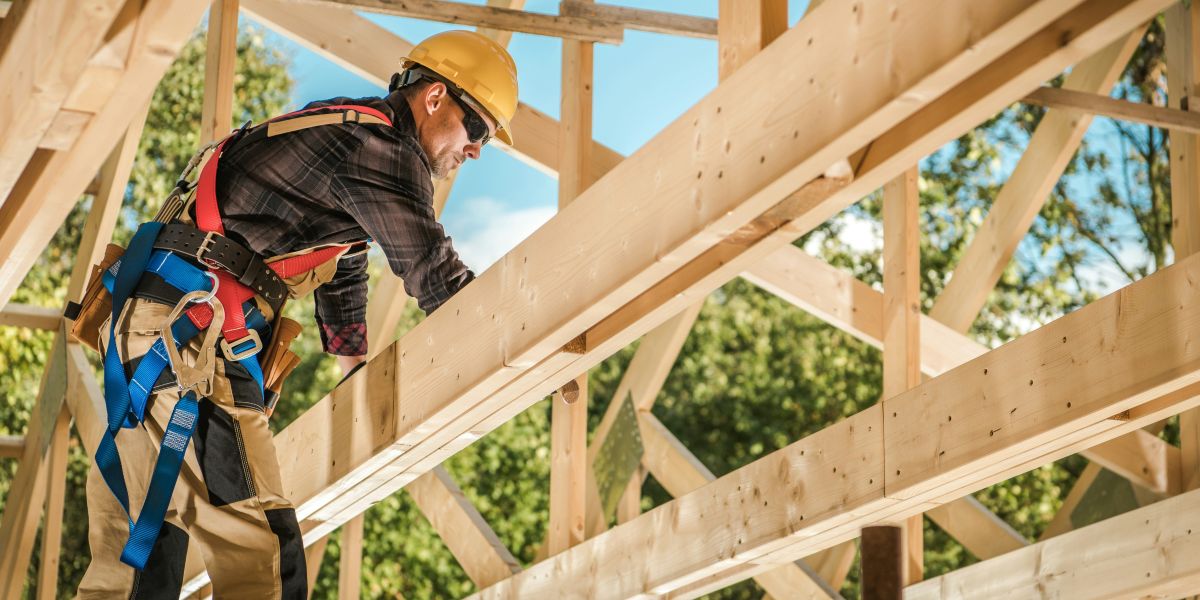

In high-pressure work environments, the margin for error is slim, and the consequences of mistakes can be severe. These settings require clear safety protocols to protect workers and ensure smooth operations. Bobby Atkins says that a comprehensive safety system does more than reduce accidents—it plays a crucial role in improving decision-making, managing stress, and creating a culture of accountability.
From real-time hazard detection to well-rehearsed emergency procedures, these layers of protection not only enhance individual performance but also strengthen organizational resilience. When safety becomes an ingrained part of workplace culture, supported by leadership and reinforced through training, it leads to more efficient and confident teams.
Why Safety Protocols Matter
Safety protocols guidelines are often shaped by industry regulations, expert recommendations, and the unique requirements of specific job sites. When well implemented, they serve as a critical framework for maintaining order and predictability, even under unpredictable conditions.
In sectors like oil and gas, safety protocols may include mandatory equipment checks, hazard assessments, and site-specific emergency response plans. These rules aren’t just bureaucratic requirements—they are the result of years of data analysis, incident reviews, and ongoing refinement. Adhering to these standards ensures that everyone, from site managers to new hires, operates on the same safety-first foundation.
Reducing Risk Through Established Procedures
Having predefined safety procedures in place lowers the risk of injuries and accidents. When teams follow established steps—such as securing harnesses before working at heights or shutting down machinery during maintenance—the chance of harm decreases substantially. These measures become second nature with proper training and repetition.
In high-risk settings like mining or chemical manufacturing, clear routines prevent chaos. Workers who know exactly what to do under pressure are less likely to make costly errors. Routine drills and refresher courses also keep teams sharp. By regularly reinforcing protocols, organizations ensure that safety remains top of mind, even when workloads intensify or distractions arise.
Managing Stress and Improving Human Decision-Making
High-pressure environments don’t only test physical endurance—they also challenge mental clarity. Safety protocols play a pivotal role in reducing cognitive overload by offering structured responses during chaotic moments. When workers don’t have to second-guess their actions, they make better decisions faster.
In aviation, pilots rely on checklists not just as reminders, but as lifelines during emergencies. These tools allow them to focus on execution rather than deliberation. Similarly, when teams are trained to pause work if conditions feel unsafe, it fosters a sense of psychological safety. This trust-based culture encourages individuals to speak up, reducing the likelihood of errors caused by hesitation or fear of reprisal.
Tools and Technology That Reinforce Safety Standards
Modern safety systems are increasingly supported by digital tools that monitor conditions in real time. In manufacturing plants, sensors now detect temperature spikes or gas leaks before humans can react. These alerts give teams precious seconds to respond appropriately, often preventing larger incidents. The integration of smart technologies is transforming how organizations anticipate and address potential threats.
Wearable tech is also reshaping how safety is enforced. Devices that track heart rate, fatigue levels, or exposure to hazardous substances provide data-driven insights into worker well-being. Many industries are now investing in predictive analytics to identify risk trends and intervene before incidents occur, further strengthening their safety net.
Building a Culture of Accountability and Safety
Creating a safety culture requires more than rules on paper—it demands daily commitment and reinforcement. When managers embody the behaviors they expect from their teams, accountability becomes part of the workplace DNA. It’s this top-down example that often determines whether or not safety truly takes root.
In organizations where feedback is valued and acted upon, employees are more engaged in maintaining safe practices. This ongoing dialogue helps refine existing protocols and adapt them to evolving risks, ensuring safety is treated as a priority rather than a one-time initiative.