

By: Lennard James
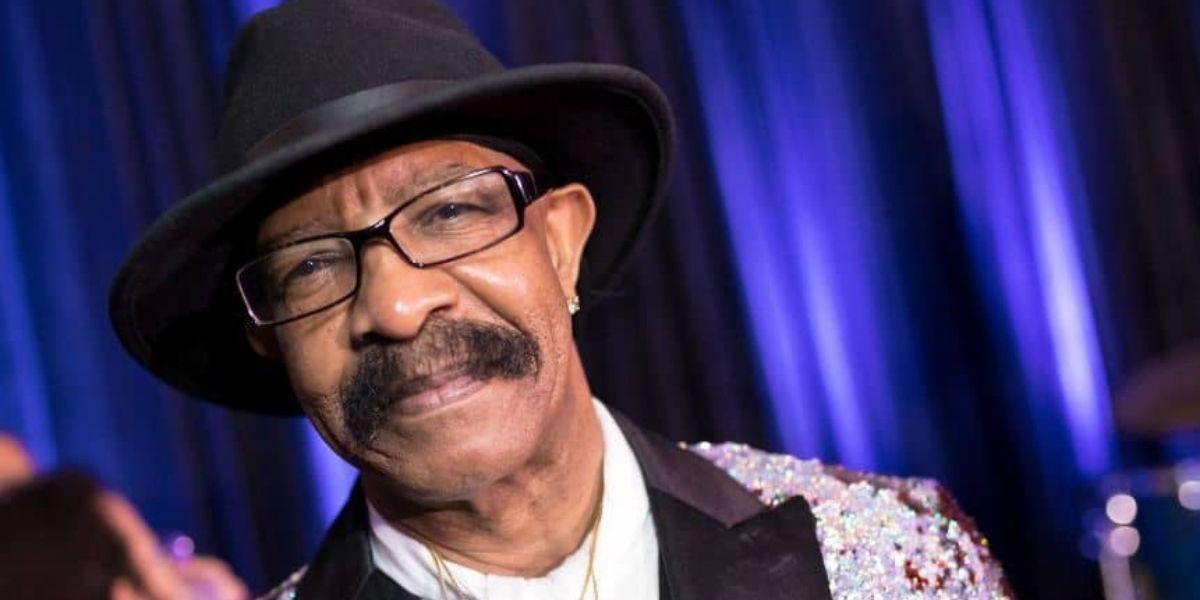
From the soulful sounds of Memphis to a lifetime dedicated to musicianship and entertainment, Dennis Graham represents a remarkable musical heritage rooted in one of America’s most influential music cities.
MEMPHIS, Tenn. Long before the digital age transformed the music industry, Dennis Graham was developing his musical identity in Memphis, Tennessee, a city whose legendary sounds helped shape generations of entertainers. Born September 20, 1954, Graham grew up surrounded by the musicians, recording studios, and cultural influences that established Memphis as one of America’s most celebrated musical destinations. His journey as a drummer, performer, and entertainer reflects a lifetime connected to the rich traditions of blues, soul, rhythm and blues, and rock ’n’ roll.
For Graham, music was never simply a form of entertainment. It was a family tradition, a cultural foundation, and a way of life. Growing up in a household surrounded by musical influences, he developed an appreciation for the artistry, discipline, and creativity required to succeed in an industry built upon talent and perseverance.
His family’s musical heritage includes his uncle, the legendary Willie Mitchell, one of the popular producers, musicians, and architects of the Memphis soul sound. Mitchell’s remarkable work with Al Green helped produce memorable recordings in American music history. His contributions to the legendary Hi Records sound established a musical identity that continues to influence recording artists and producers worldwide.
Being connected to such an extraordinary musical environment gave Graham a unique perspective on the entertainment industry. He witnessed firsthand the dedication required to create timeless music and the importance of developing an individual sound that could connect with audiences across generations.
His extended family’s musical connections have also been associated with celebrated guitarist Teenie Hodges and influential bassist Larry Graham, reflecting the remarkable artistic traditions surrounding his upbringing.
During Graham’s childhood, Memphis was experiencing an extraordinary period of musical innovation. The city’s recording studios, churches, nightclubs, and neighborhood gathering places became creative centers where gospel, blues, rhythm and blues, rock ’n’ roll, and soul music intersected.
From the historic recordings associated with Sun Studio to the influential sounds emerging from Stax Records and Hi Records, Memphis developed a musical identity recognized around the world.
It was within this environment that Graham discovered his passion for the drums.
Beginning at an early age, he developed his skills as a percussionist, learning the importance of rhythm, timing, and musical expression. Drumming became more than an instrument of choice. It provided Graham with an opportunity to participate in the musical culture that surrounded him.
His commitment to musicianship eventually led to professional performance opportunities and experiences alongside established entertainers.
One of the most notable chapters of Graham’s career was his association with legendary rock ’n’ roll performer Jerry Lee Lewis. Performing with an entertainer whose career helped define the early evolution of rock music placed Graham within an important chapter of American entertainment history.
Jerry Lee Lewis was known for his electrifying performances, energetic piano playing, and distinctive approach to live entertainment. Working within that musical environment required versatility, confidence, and the ability to deliver powerful performances before demanding audiences.
For Graham, the experience represented an opportunity to develop professionally while participating in a musical tradition that connected Memphis to audiences throughout the country.
His work as a drummer also reflected the importance of instrumentalists whose contributions often serve as the foundation of memorable live performances. While lead singers frequently receive the greatest public recognition, musicians working behind the scenes play an equally important role in creating the sound and energy audiences remember.
Graham’s appreciation for that responsibility became an essential part of his musical identity.
As his career evolved, Graham continued pursuing opportunities to establish himself as an independent performer. His musical endeavors included Dennis Graham and the North Memphis Band, a project reflecting both his artistic ambitions and his connection to the community that helped shape his early life.
The name North Memphis carries considerable cultural significance. For generations, the area’s neighborhoods have contributed to the city’s musical character through churches, community gatherings, local performers, and artistic traditions passed down through families.
By incorporating North Memphis into his band’s identity, Graham demonstrated an enduring connection to his hometown and the cultural environment that influenced his development.
His musical journey also illustrates how much the entertainment industry has changed. Over the decades, recording technology, audience preferences, promotional strategies, and performance opportunities have evolved considerably. Yet the fundamental qualities that define successful musicianship remain unchanged. Creativity, preparation, discipline, and an authentic connection with audiences still matter.
Throughout these changes, Graham has maintained an identity rooted in the musical traditions of Memphis.
Beyond his individual career, his story offers an opportunity to recognize the countless musicians whose contributions helped establish the city’s international reputation.
Memphis has produced some influential artists, songwriters, producers, and instrumentalists in American history. Its musical legacy extends far beyond any single genre, connecting generations through a shared appreciation for artistic expression.
From the soulful productions of Willie Mitchell to the groundbreaking performances of Jerry Lee Lewis, the city’s influence continues to resonate throughout contemporary entertainment.
Graham represents a personal connection to that extraordinary history.
His experiences reflect an era when live musicianship was central to the entertainment business, when performers developed their craft through rehearsals, recording sessions, touring, and countless hours dedicated to perfecting their sound.
There is also something meaningful about the relationship between musicians and the communities that nurture their talents. For Graham, Memphis has remained more than a geographical location. It represents family, heritage, artistic inspiration, and the foundation upon which his musical journey was built.
His story shows that the history of American music is not written exclusively through chart-topping recordings or internationally recognized performers. It is also preserved through the lives of dedicated musicians who contributed their talents to performances, bands, recording sessions, and creative collaborations.
Those contributions form the foundation of the musical traditions celebrated today.
As Memphis continues honoring its extraordinary entertainment heritage, individuals such as Dennis Graham represent an important connection between the city’s historic musical achievements and its continuing cultural influence.
His journey reflects the perseverance of a working musician, the pride of a Memphis native, and the lasting significance of a family whose musical roots extend across generations.
Dennis Graham’s legacy is ultimately a story of heritage, rhythm, dedication, and the enduring power of music.
From the neighborhoods of North Memphis to the stages of professional entertainment, his experiences demonstrate how a lifelong passion for music can connect personal identity with a city’s cultural history.
For Dennis Graham, the rhythm of Memphis is more than a sound. It is a heritage, a lifelong passion, and a musical legacy that continues to define his remarkable journey.