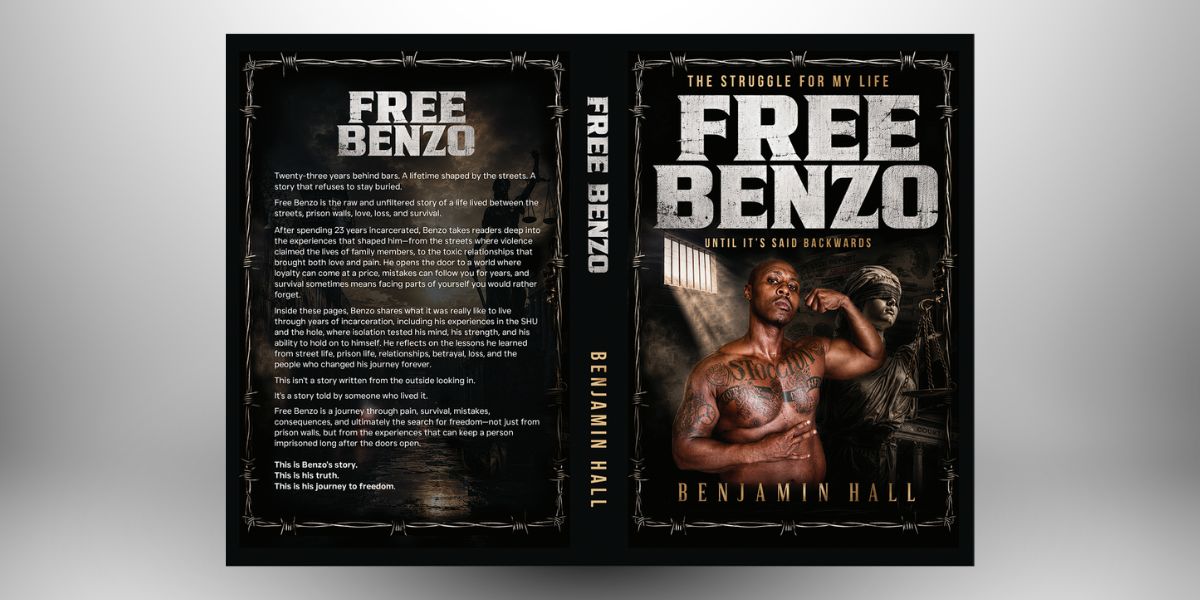

We all dream of new beginnings. We imagine the moment when everything changes for the better. We picture ourselves walking into a bright future with hope and excitement. But sometimes new beginnings do not feel like beginnings at all. Sometimes they feel like falling into an empty void. Benjamin Hall experienced this feeling on August 28, 2016. He walked out of prison after serving fifteen years. He was finally free. But he had no money. He had no job. He had no housing. He had nothing but the clothes on his back. His memoir Free Benzo captures the fear and uncertainty of starting over with nothing. Hall walked out of prison and realized that freedom did not mean he had anywhere to go.
The Dream of Freedom
Every inmate dreams of the day they will walk out of prison. They imagine the feeling of fresh air on their face. They imagine the taste of real food. They imagine the freedom to go wherever they want. Hall dreamed of this day for fifteen years. He imagined walking out of the prison gate and never looking back. He imagined starting a new life. He imagined leaving the past behind. But the reality of release did not match the dream. He walked out of prison with nothing. He had no money to his name. He had no place to live. He had no job waiting for him. He had no plan for what came next.
The Reality of Reentry
In Hall’s experience, the prison system did not prepare him for reentry. He received no job training, no therapy, no housing assistance, and little support of any kind. He was released with nothing but the clothes on his back and was expected to succeed. He had few job skills. He had little formal education. He had no savings. He had no housing. He had a criminal record that followed him everywhere. He had a parole officer who watched his every move. Hall felt the system had set him up to fail, and that it punished him when he did.
The Search for a Place to Stay
Hall walked out of prison and had nowhere to go. He did not have a home waiting for him. He did not have family members who could take him in. He did not have friends who could offer him a place to stay. He had to figure out everything on his own. He had to find a place to sleep. He had to find food to eat. He had to find a way to survive. The freedom he had dreamed of felt more like a nightmare. He was free from prison. But he was trapped in a different kind of prison. The prison of poverty. The prison of uncertainty. The prison of having nothing.
The Lack of Support
Hall did not have a support system to help him transition. His family could not provide financial support. His friends were either locked up or struggling themselves. In Hall’s account, his parole officer offered no guidance or assistance. He was alone. He had to figure everything out on his own. Many people leaving prison face a similar lack of support. Hall felt the system released him and left him without a safety net or a second chance. He had to rely on his own survival instincts. He had to do whatever it took to stay alive.
The Return to the Hustle
Hall returned to hustling because he had no other options. He sold drugs because he needed money. He navigated dangerous situations because he needed protection. He surrounded himself with people from his old life because he had no one else. The streets offered him a familiar world. They offered him a way to survive. They also offered him a way back to prison. The hustle kept him trapped in the same cycles that had imprisoned him for decades. He could not escape because he did not know how.
The Psychological Weight of Starting Over
Starting over with nothing carries a psychological weight. It creates fear and anxiety. It creates doubt and insecurity. It creates a sense of hopelessness. Hall experienced all of these feelings. He felt like a failure. He felt like he had wasted fifteen years of his life. He felt like he had nothing to show for his time in prison. He felt like he would never escape the cycle of incarceration. The psychological weight of starting over almost broke him. But he refused to give up. He kept pushing forward.
The Turning Point
Hall found hope through writing. He educated himself behind bars. He discovered his talent for storytelling. He published three memoirs, including Free Benzo. Writing offered him a way out of the hustle. It offered him a voice that the system could not silence. It offered him a purpose beyond survival. He no longer needed to chase money on the streets. He could build a legitimate career as an author. He could use his experience to teach others. He could warn young men about the dangers of the hustler’s life.
The Hope for a Better Future
Hall still hopes for a better future. He still hopes to build a legitimate life. He still hopes to be a good father to his daughters. He still hopes to break the cycle of incarceration. His memoir is part of this journey. It is his way of processing his experiences. It is his way of understanding his mistakes. It is his way of moving forward. He does not pretend to have all the answers. He simply shares his story and hopes that others can learn from it.
Order Free Benzo now from Amazon and all major online retailers. This memoir reveals the harsh reality of reentry and the courage it takes to start over with nothing and build something meaningful.