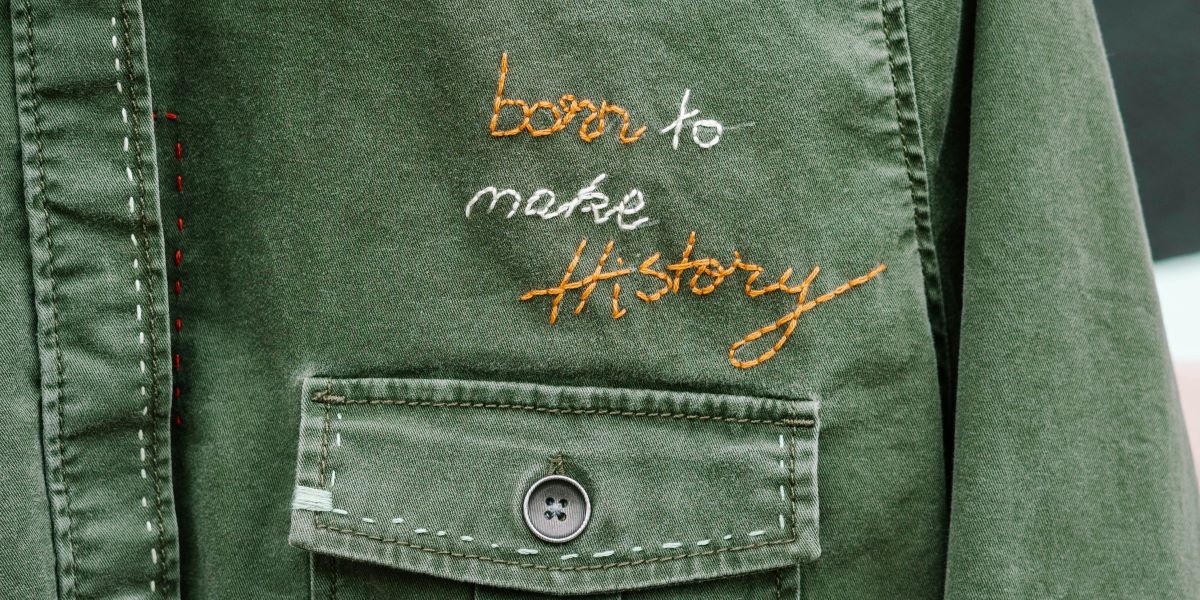


Custom embroidery has been a cornerstone of personalized fashion and branding for decades. It’s a timeless technique that adds texture, elegance, and a professional touch to clothing and accessories. Whether you’re creating branded uniforms, sports team apparel, or unique fashion items, understanding the basics of high-quality embroidery is essential to help when your design comes to life and it looks as good or better than it did in your imagination.
What Is Embroidery?
Embroidery decorates fabric with needle and thread (or yarn) to create intricate patterns, logos, or designs. Unlike screen printing, which applies ink to fabric, embroidery uses threads to create a three-dimensional effect. It’s especially popular for logos, monograms, and detailed patterns on polos, jackets, hats, and bags.
Companies like R&P Prints specialize in custom embroidered and screen-printed apparel, providing businesses, organizations, and individuals with expertly crafted clothing and accessories that help elevate their branding. With the right partner, even beginners may achieve professional-looking results.
Choosing the Right Fabric
Not all fabrics are ideal for embroidery. To help with a polished and durable finish, selecting materials that can support the tension of the embroidery threads is essential. Here are some fabric considerations:
- Ideal Choices: Cotton, fleece, polyester blends, and twill are sturdy and provide a smooth base for embroidery.
- Challenging Fabrics: Thin, stretchy materials like silk or lightweight jersey can be tricky to work with as they’re prone to puckering.
Selecting the Right Design
High-quality embroidery begins with a clear, well-designed image or logo. Simplicity is key, especially for beginners or when working with smaller areas. Here are some design tips:
- Keep It Simple. Intricate details may not translate well to embroidery. Focus on bold lines and defined shapes.
- Limit Colors. Most embroidery machines can handle multiple thread colours, but too many hues can make the design cluttered.
- Choose Appropriate Fonts. If adding text, select fonts that are legible when stitched. Avoid overly delicate or thin lettering.
Understanding Thread Quality and Color
Embroidery thread comes in various materials, such as polyester, rayon, and cotton. High-quality thread helps with durability, vibrant colors, and a polished look. Polyester is a popular choice because it’s strong and resistant to fading. Rayon, on the other hand, offers a softer sheen, making it ideal for decorative designs. When picking thread colors, always aim that they complement and enhance your design’s overall look. Consider how the colors will contrast or blend with the fabric to maintain clarity and visual appeal. Pay attention to shading, highlights, and gradients if your design has intricate details, as well as how the thread’s finish—whether matte or glossy—affects the final appearance.
Caring for Embroidered Apparel
To keep embroidered apparel looking great, proper care is essential. Here are some tips:
- Washing: Turn garments inside out before washing to protect the embroidery. Use cold water and mild detergent.
- Drying: Avoid high heat, as it can weaken threads. Air drying or low-heat tumble drying is recommended.
- Ironing: If necessary, place a cloth over the embroidery before ironing to prevent damage.
In Conclusion
Embroidery is a versatile and enduring method for customizing apparel, offering a professional and elegant finish. With the right supplier and design, even beginners may achieve high-quality results. By following these tips, you’ll be well on your way to creating stunning embroidered designs that stand the test of time.
Published by Anne C.