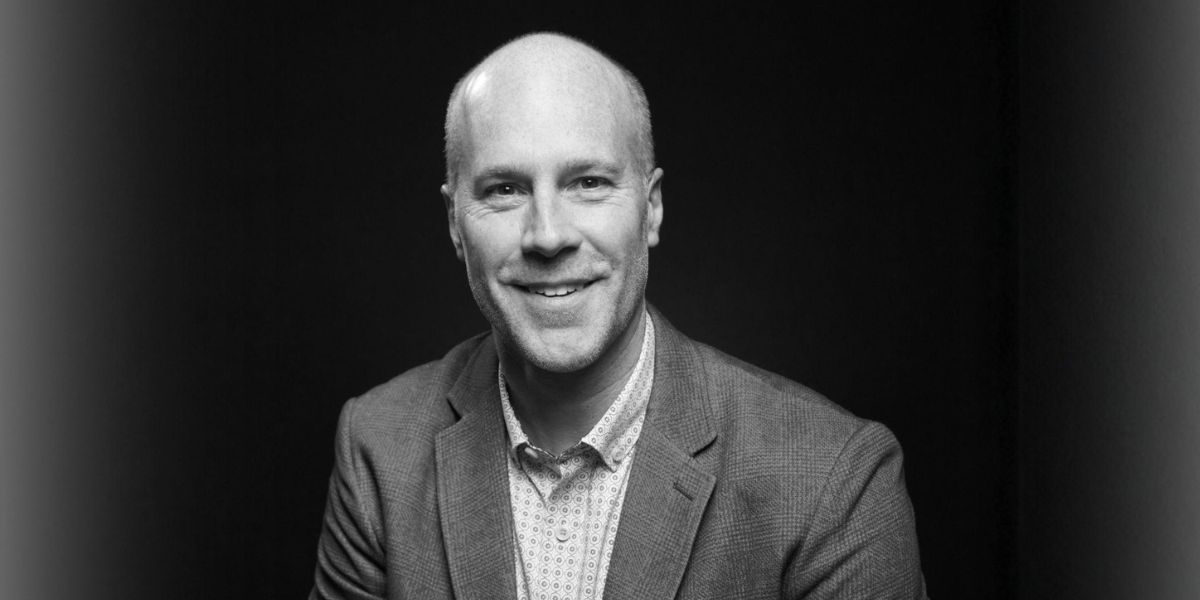

Chad Kasperowski, DMD, founded Champions for Oral Health in Fairfax, Virginia, after 24 years of practicing dentistry, and the case he is best known for tackling is full mouth rehabilitation. Full mouth rehabilitation, the process of rebuilding a patient’s entire bite and smile from the ground up, combines data collection, digital imaging, and a staged reconstruction plan. Kasperowski compares the process to constructing a house. Skip the architectural plans and the foundation, he says, and nothing built on top of them holds up for long.
The comparison comes from experience. Kasperowski’s path since graduating from the University of Connecticut School of Dental Medicine in 2002 has run through advanced sedation training, a fellowship with the Academy of General Dentistry, and certification as a Master Clinic in Digital Smile Design. He has integrated a whole body approach to dentistry under the tutelage of Katie To, DMD, whose wellness-focused dental community he later joined. Nine people work alongside him at the Fairfax practice today.
From a Dentist’s Household to Founding Champions for Oral Health
Dr. Chad Kasperowski grew up in a small town in western Massachusetts, spending afternoons in his father’s dental office. He has an identical twin brother who also became a dentist, and both grew up playing team sports, an experience he credits with teaching him how to handle competition, communication, and the swings between success and failure that come with leading a practice.
His first job out of residency was as an associate in his father’s office, where he worked for almost three years. He learned the value of having someone senior in the building who could step in when a procedure ran long or got complicated. “Having somebody present who could always come and bail you out in the event you needed it was priceless,” Kasperowski said.
A harder stretch followed when he relocated to the Washington, D.C., area to start a family and had to build a patient base from scratch. He began taking on continuing education almost constantly, a habit that has stuck ever since. “If I wasn’t actively seeing a patient, I was learning something related to patient care,” he said. He now owns Champions for Oral Health with his wife, and the practice has grown around that same idea, treating a wide enough range of cases that the team gets comfortable planning and customizing care instead of defaulting to a standard routine.
What Full Mouth Rehabilitation Involves From Start to Finish
Every full mouth rehabilitation case that Chad Kasperowski, DMD, takes on starts with data collection, and he treats that phase as the most important part of the process. He looks for the risk factors that put a patient’s teeth in their current condition, from bruxism and periodontal disease to years of inconsistent hygiene. He also looks for factors patients rarely connect to their teeth, including sleep disorders, mouth breathing, and chronic dehydration.
Additional imaging often follows. Cone beam CT scans let him examine bone, teeth, and the jaw joint in three dimensions rather than the flat view of a traditional X-ray. A TekScan occlusal analysis device measures where and how hard teeth are making contact, so the bite can be balanced before and after any restorative work begins. Digital intraoral scanners replace traditional impression material with a full three-dimensional model of the mouth, and Digital Smile Design software uses a patient’s facial movement to help plan where teeth and gums should ultimately sit.
Kasperowski often coordinates with specialists outside his own office, including sleep physicians and ear, nose, and throat doctors, before finalizing a plan. Once every scan and test is in hand, he brings the patient back to walk through the plan step by step, including timing and any sedation that will be needed. The patients he sees most often for full mouth rehabilitation are people with decades of aging dental work that needs revision, along with patients who avoided the dentist out of fear and now need more extensive treatment as a result.
Seventeen Years on the Sidelines With an NFL Team
Chad Kasperowski has served as a board member of the Academy for Sports Dentistry, and his work with an NFL team’s medical staff has continued for 17 years. Watching how professional athletes are managed day to day, he said, changed how he thinks about the relationship between oral health, physical performance, and recovery.
That interest is not confined to elite athletes anymore. Kasperowski is currently developing screening protocols and treatment frameworks that started with professional sports medicine in mind but are meant to apply more broadly, aimed at patients who want a closer look at how their oral health connects to the rest of their physical condition. Some of that thinking already shows up in how he approaches full mouth rehabilitation, where the data collection phase now routinely looks past the teeth themselves.
How the Oral-Systemic Health Connection Is Changing Treatment Planning
Dr. Kasperowski describes his specialty as comprehensive and cosmetic dentistry built around a whole-body wellness approach. In his view, oral health can affect what is happening elsewhere in the body, and conditions elsewhere in the body often show up first in the mouth. He points to cardiovascular and orthopedic surgeons who, in his experience, increasingly want a patient’s oral health addressed before certain procedures.
In practice, that philosophy means sharing information with a patient’s other providers rather than treating the mouth in isolation. Kasperowski has also added artificial intelligence tools to his workflow, including a platform called Diagnocat, which he uses to support diagnosis and to help explain findings to patients in a more visual format. He sees tools like this as a way to spend less time on repetitive tasks and more time in direct conversation with patients.
What Patients Get Wrong About the Dental Chair
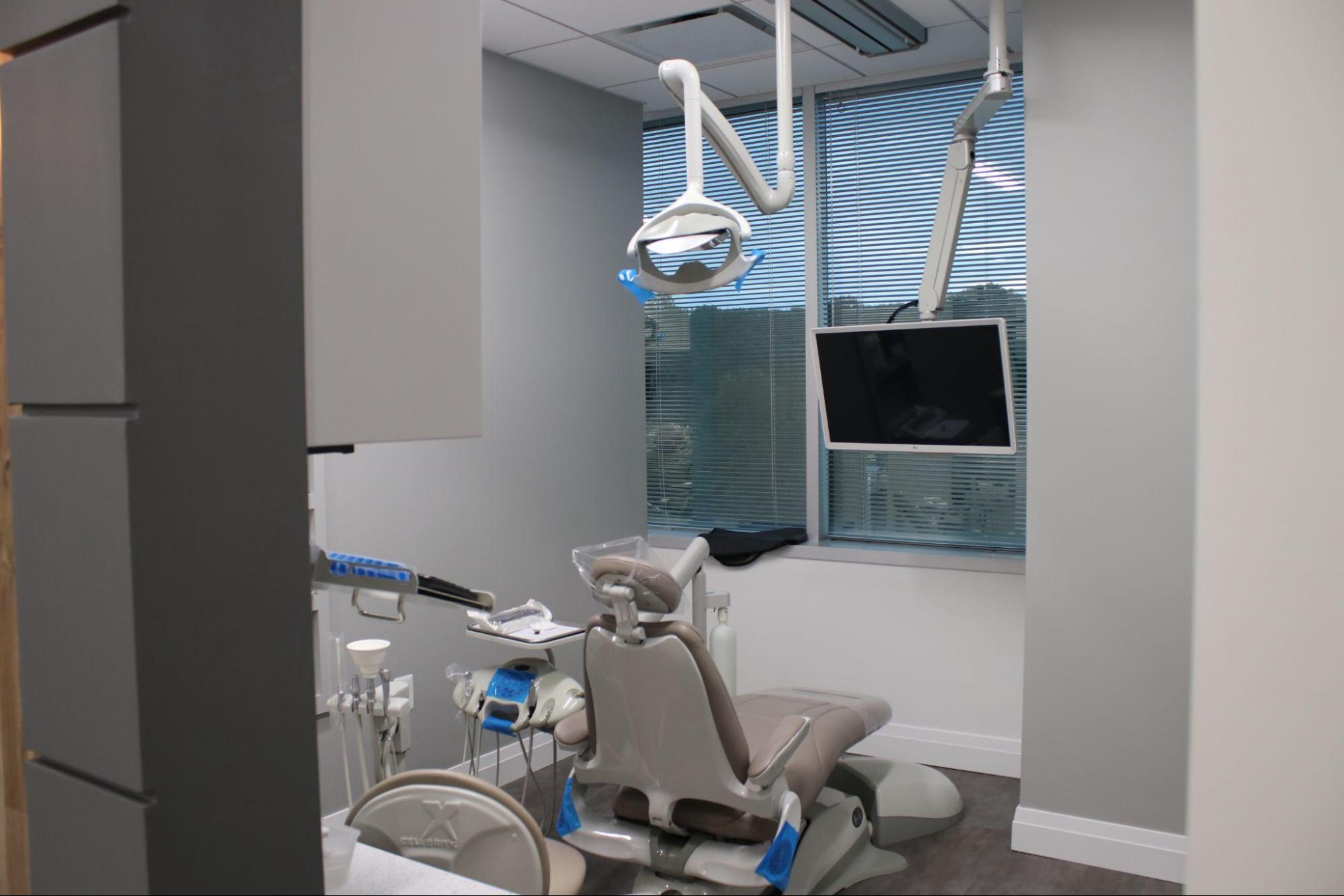
The concern Kasperowski hears most often is pain. He attributes much of that fear to decades of pop culture dramatizing dental visits and argues that modern imaging, materials, and pain control have made most procedures far less disruptive than patients expect.
Appearance is the second concern. Kasperowski addresses it by having patients preview their new smile digitally before any work begins, using Digital Smile Design to show what the finished case will likely look like. He also builds small natural imperfections back into restorations rather than aiming for a flawless, uniform look, arguing that real teeth are not perfectly even and that lifelike materials read as more natural to other people.
Cost is the third concern, and one Kasperowski says becomes easier for patients to weigh once they understand what the planning phase covers, not just the procedures themselves. Cases that are properly planned, he said, can often be broken into stages rather than completed all at once.
Outside the practice, Kasperowski and his wife run food drives through their office and take part in local Mission of Mercy events, which provide dental care to patients who could not otherwise afford it. He also spends time mentoring newer dentists, a habit he traces back to the mentor who trained him early in his career. Nearly a decade after he first called Katie To to ask about becoming a Digital Smile Design clinic, a conversation that turned into a 90-minute discussion rather than the voicemail he expected, Kasperowski credits her wellness dental community with reinvigorating how he thinks about his own work.
Champions for Oral Health — Fairfax, Virginia
championsfororalhealth.com | Instagram: @championsfororalhealth
Facebook | LinkedIn: Chad Kasperowski, DMD
Contact: chadkasperowski@gmail.com
Disclaimer: This article is intended for general informational and educational purposes only and does not constitute medical or dental advice, diagnosis, or treatment recommendations. The dental procedures, technologies, and approaches discussed are based on the perspectives and experiences of the featured dental professional and may not be appropriate for every individual. Dental treatment outcomes can vary depending on a person’s specific oral health condition, medical history, and other factors. Readers should consult a licensed dentist or qualified healthcare professional for personalized advice regarding their oral health, symptoms, treatment options, or any dental concerns.