
Entase brings sales, marketing, operations, and attendee support together in event technology designed for organizations of different sizes.
At a theater, the work behind a ticket begins well before the audience reaches the door. Someone buys online, another patron visits the box office, and a marketing team tracks which channels bring people in. By curtain time, staff needs to know what has sold, who has arrived, and how many spots remain available.
Those activities belong to the same event, yet organizers often manage them through disconnected systems. Entase approaches the problem as an event ticketing platform built around connected event commerce. Its aim is to bring the practical work of selling admission and welcoming audiences into one accessible infrastructure.
Online Ticket Sales and the Physical Box Office
For organizations with a permanent ticket counter, online ticket sales are one part of a wider operation. A theater, opera house, or cinema may need its website and physical box office to sell admission at the same time.
Entase connects those channels through one live inventory. Both draw from the same available tickets, giving staff a common view of availability as sales happen. Its white-label event checkout can also be embedded into an organizer’s own website, allowing customers to purchase within that organization’s branded environment.
The platform combines this direct-sales approach with an event marketplace, giving organizers another place for audiences to discover their programming. The intention is to support discovery while preserving control over their own sales channels and brand.
Cost is another consideration, particularly for smaller cultural organizations. Entase provides box office software and physical box office sales free of charge, with platform fees applying only to online sales. That structure lets venues use the connected system without adding platform ticketing charges to each in-person sale.
A small venue can therefore assess its technology around the work it actually does: selling at the counter, selling online, and checking people into performances.
Event Marketing Tools and Shared Information
Selling across several channels raises a practical question: where are the buyers coming from? Entase began with an interest in answering that question and helping teams collaborate, including separate organizers working together on an event.
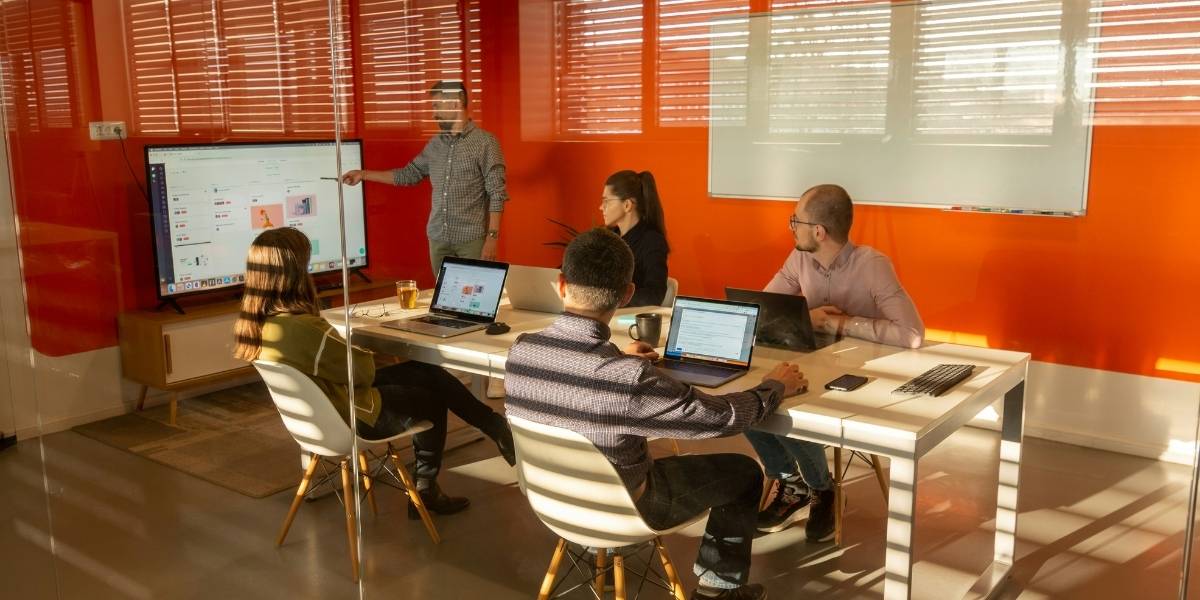
Its event marketing tools and audience tools sit alongside real-time sales and attendance information. Organizers can examine channel performance, follow purchases, and see attendance as an event unfolds. Shareable statistics and reporting allow colleagues and event partners to work from the same information.
Team roles give that collaboration structure. As an event management platform, Entase connects the people promoting an event with those handling sales and operations. For a jointly produced show, that means collaboration can extend across organizations, rather than stopping at the boundaries of an individual team.
Ticketing Technology at the Door
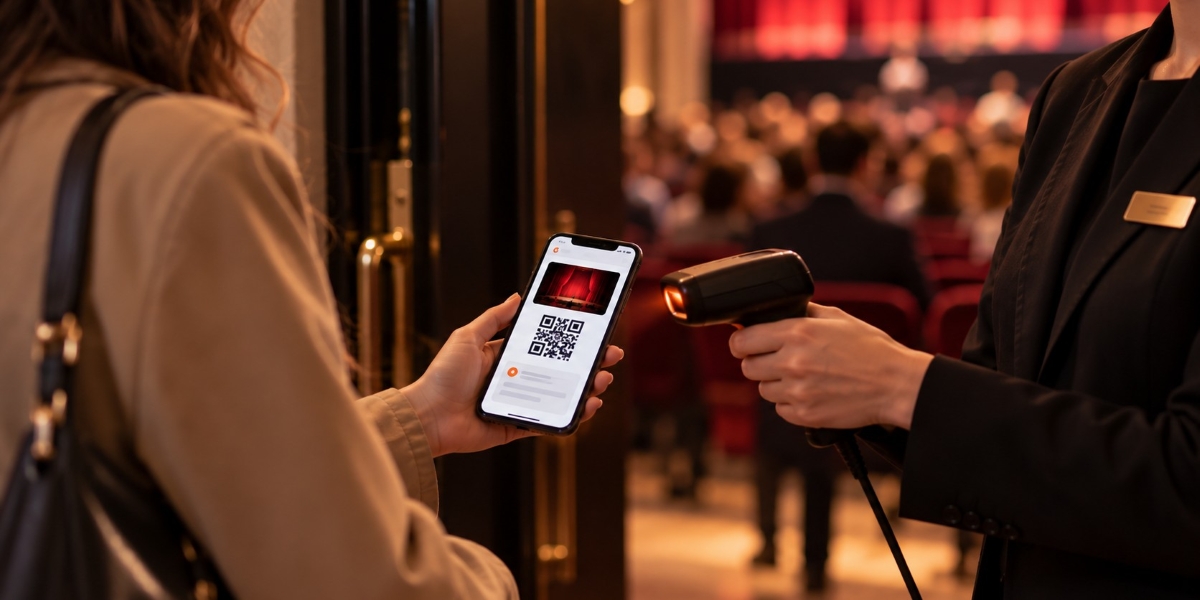
The attendee experience continues after checkout. Digital tickets, including Apple Wallet and Google Wallet support, give customers options for keeping admission details available when they arrive.
Entase’s ticketing system includes access control and offline ticket validation. That offline capability matters when staff need to check admission despite unreliable connectivity. Attendance information also connects entry with reporting, bringing what happens at the door into the wider operational picture.
AI-assisted attendee support adds another part of that experience. Entase places assistance alongside purchasing and admission tools, treating customer questions as part of the event workflow rather than a separate technology problem.
Infrastructure for Different Kinds of Events
A museum, a festival, and a workshop organizer have different schedules, audiences, and operational requirements. Event ticketing software needs enough flexibility to accommodate those differences while remaining manageable for a small team.
Entase designs its infrastructure for uses spanning theaters, concerts, attractions, tours, seminars, fundraising events, and tournaments. Support for more than 30 languages and multiple currencies also informs its continued international expansion through one connected platform.
The company’s longer-term ambition is to provide global infrastructure for event commerce. Its practical challenge is keeping that breadth accessible: an independent organizer should be able to connect sales, audience information, and entry without becoming a technology specialist. For a small theater, that could mean a website purchase, a counter sale, and a ticket scan all contributing to the same view of the evening’s activity.