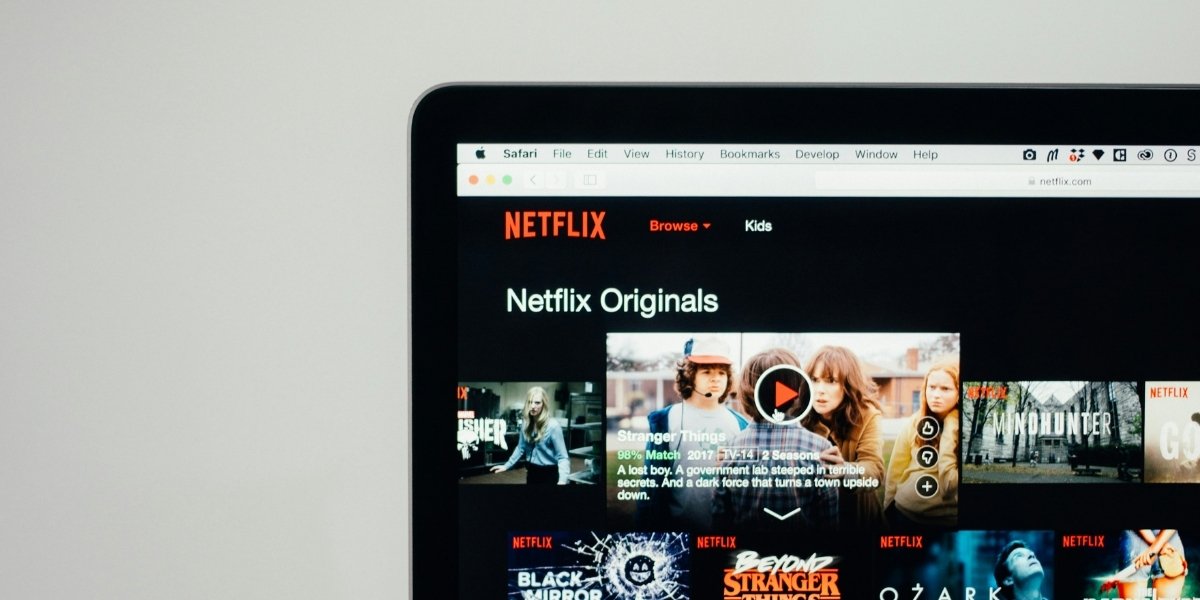

CEO Leadership Strategies are taking a more operational turn across Disney, Netflix and The New York Times, where recent results highlight integration, pricing, advertising and bundled digital products. The three companies use different models, but their latest disclosures show how executive teams are organizing growth around deeper audience relationships and coordinated revenue streams.
Key Takeaways
- Disney CEO Josh D’Amaro has made companywide integration a central priority since taking the role on March 18, 2026
- Netflix reported second-quarter 2026 revenue of about $12.56 billion, up 13% year over year, supported by membership growth, pricing and higher advertising revenue
- The New York Times Company ended the second quarter with 13.35 million total subscribers after adding about 280,000 net digital-only subscribers
- Disney, Netflix and The New York Times are using different combinations of subscriptions, advertising, pricing and digital products to support growth
- Recent disclosures place greater emphasis on execution across products and revenue streams rather than expansion through a single distribution channel
Disney, Netflix and The New York Times entered the second half of 2026 with different business models but a similar leadership problem: how to turn large audiences, recognizable products and multiple revenue sources into more coordinated operations.
The clearest shift is occurring at Disney. Josh D’Amaro became chief executive on March 18 after succeeding Robert Iger and used the company’s August earnings discussion to describe his first five months in the role. His message focused less on creating another standalone business and more on connecting Disney’s existing assets.
D’Amaro said he had been focused on making the organization “execute as one company around a unified strategy.” Disney has tied that approach to shared technology, data, franchises and consumer experiences across its entertainment businesses.
That emphasis reflects a broader management issue across large media groups. As companies operate across streaming, advertising, sports, subscriptions and other digital products, chief executives increasingly have to coordinate businesses that can serve the same customer in different ways. Similar questions about how leadership roles evolve as organizations expand apply across sectors, although each media company is approaching the issue differently.
Disney Makes Integration a CEO Leadership Strategy
Disney’s current structure gives D’Amaro one of the broadest operating briefs in media. The company spans film and television, Disney+, Hulu, ESPN, games and physical experiences, creating several potential points of contact with the same audience.
Days before D’Amaro formally became CEO, Disney announced a new leadership structure for its entertainment segment that brought streaming, film, television and its growing games operations together under Dana Walden, the company’s president and chief creative officer. Disney said the structure was designed to connect its entertainment businesses more closely as audiences move across formats and platforms.

The August earnings commentary extended that idea to the wider company. D’Amaro pointed to coordinated franchises, shared data and technology, and more connected fan experiences as areas of focus. The company has also continued integrating Hulu content into Disney+ while linking its streaming strategy more closely with ESPN.
Disney’s approach does not establish that greater coordination will produce a particular financial result. It does, however, show how the company’s leadership is defining the operating task during D’Amaro’s first year as CEO.
Technology is part of that task. D’Amaro discussed artificial intelligence in connection with production workflows and personalization while maintaining that creative work remains centered on people. That places the technology within a broader operational strategy rather than presenting it as a separate business direction. Other entertainment companies are also examining how technology fits into management structures, including recent discussion of an entertainment leadership strategy built around creative operations and AI.
For Disney, the more immediate question is execution. A movie, streaming service, sports property, game or physical experience can sit within the same corporate system, but management still has to determine how those businesses share technology, customer information and creative resources without treating every platform identically.
Netflix Balances Pricing, Advertising and Membership Growth
Netflix operates with a narrower corporate footprint than Disney, but its co-CEO structure gives Ted Sarandos and Greg Peters responsibility for a business that is becoming more varied commercially.
Netflix reported second-quarter 2026 revenue of $12.56 billion, a 13% increase from the same period a year earlier. The company attributed the increase primarily to membership growth, price increases and higher advertising revenue. Favorable foreign-exchange movements also affected the comparison. Operating income reached about $4.19 billion, up 11% year over year.
Those numbers put several leadership decisions into the same operating framework. Subscription pricing can increase revenue without requiring an equivalent increase in memberships. Advertising adds another source of revenue, but its performance depends partly on viewer activity, advertising demand and Netflix’s ability to develop its ad business.
Content decisions sit alongside both. Programming can affect engagement, retention and new membership activity, while product design influences how viewers discover and consume that programming.
Sarandos and Peters therefore oversee more than a traditional subscription service, even though membership fees remain central to Netflix’s business. The company’s filings state that revenue from sources other than monthly membership fees was still not material in the quarter, providing an important limit to how far its diversification should be interpreted.
The leadership model is also divided by expertise. Sarandos has long been closely associated with content, while Peters has held senior product, operating and technology roles. Netflix officially moved to the current co-CEO structure in January 2023.
The arrangement provides a current example of CEO Leadership Strategies built around overlapping creative and commercial responsibilities. Netflix’s latest results do not isolate the effect of the co-CEO structure itself, but they show the range of decisions now sitting within the company’s top leadership brief.
The New York Times Expands the Value of a Paid Relationship
The New York Times Company presents another model. Rather than centering its digital strategy on a single news subscription, the company has built a broader paid offering that includes The New York Times, The Athletic, Cooking, Games, Wirecutter and Audio.
That model continued adding subscribers in the second quarter of 2026. The company ended June with approximately 13.35 million total subscribers, including about 12.8 million digital-only subscribers. It added approximately 280,000 net digital-only subscribers from the previous quarter.
Total second-quarter revenue rose 11.2% year over year to $762.5 million. Digital-only subscription revenue increased 16.4% to $407.9 million, while digital advertising revenue increased 20.7% to $114 million. Digital-only average revenue per user reached $9.94, up 3.1% from a year earlier.
The numbers also show the costs accompanying that expansion. Operating costs increased 11.2% year over year, with the company citing higher compensation and benefits expenses, primarily related to journalism, along with higher marketing and promotion costs.
President and CEO Meredith Kopit Levien has overseen The New York Times Company since 2020. Company filings identify her as the executive with primary responsibility for coordinating strategy and business operations.
The Times model differs from Disney’s broad entertainment ecosystem and Netflix’s streaming platform, but the underlying leadership issue is comparable. Each company is seeking more value from existing audience relationships through a mix of products, pricing or revenue sources.
For CEO Leadership Strategies across modern media, recent results point to coordination as an increasingly visible management priority. Disney is connecting businesses across a large entertainment portfolio, Netflix is balancing subscriptions with pricing and advertising, and The New York Times is expanding the number of digital products within a paid relationship. The results show three distinct approaches rather than a single formula for media growth.
Frequently Asked Questions
What are CEO leadership strategies in media companies?
CEO Leadership Strategies refer to the operating priorities and management decisions used by chief executives to coordinate products, revenue sources and audience relationships. At Disney, Netflix and The New York Times, those priorities currently include areas such as integration, pricing, advertising and digital subscriptions.
What is Josh D’Amaro focusing on at Disney?
Josh D’Amaro has emphasized operating Disney more cohesively across franchises, data, technology and consumer experiences. He became CEO on March 18, 2026, and described companywide integration as a central priority during Disney’s August earnings discussion.
How is Netflix approaching growth in 2026?
Netflix reported that second-quarter revenue growth was driven primarily by membership growth, price increases and higher advertising revenue. Ted Sarandos and Greg Peters oversee the company as co-CEOs.
How is The New York Times growing its digital business?
The New York Times Company combines its core news offering with products including The Athletic, Cooking, Games, Wirecutter and Audio. It ended the second quarter of 2026 with approximately 13.35 million total subscribers, including about 12.8 million digital-only subscribers.