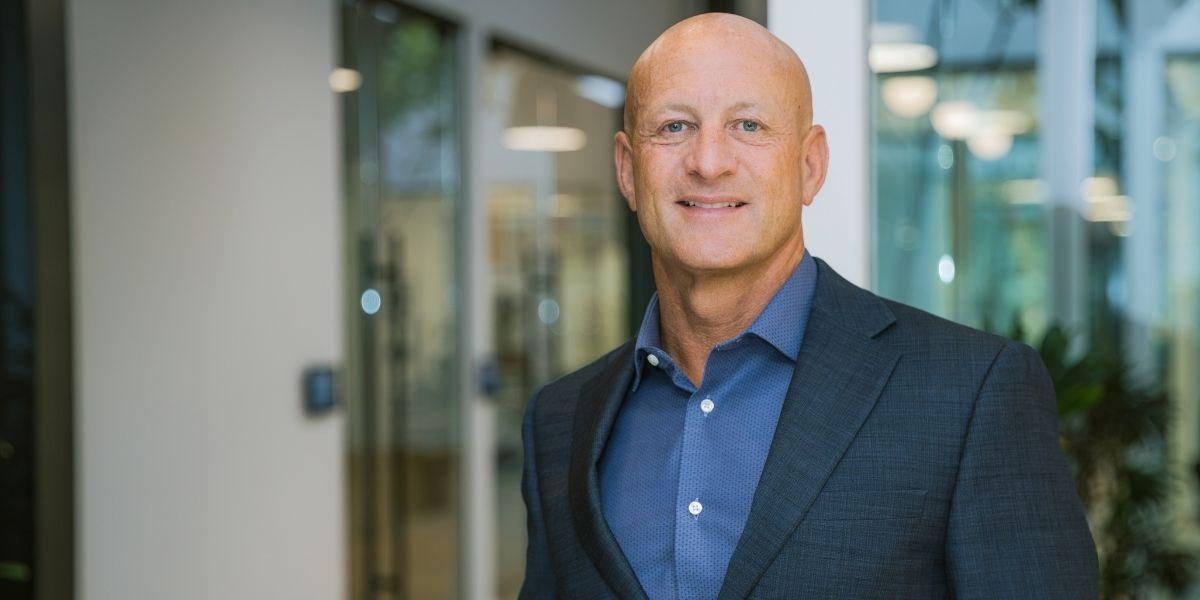

For most of modern medicine, dementia has been something we respond to after the symptoms appear. A person begins forgetting things. Family members notice changes. Eventually, there is an evaluation, a diagnosis, and a conversation about what comes next.
Dr. John DenBoer believes that conversation needs to start much earlier.
As CEO of Dementia Prevention Systems, Inc., Dr. DenBoer has spent much of his career focused on one deceptively simple question. What can we do before significant cognitive decline occurs?
That question has taken him from clinical neuropsychology and specialized training in geriatric neuropsychology to healthcare entrepreneurship, digital health, and the development of a patented approach to cognitive care. Today, his work centers on changing how we think about brain health, not simply as something to address after a diagnosis, but as something worth protecting throughout adulthood.
From Clinical Training to the Aging Brain
Dr. DenBoer’s professional foundation is in neuropsychology, with extensive training focused on the relationship between the brain, cognition, and behavior. His background includes internship training at the VA Boston Healthcare System, a teaching site affiliated with Boston University School of Medicine and Harvard University, as well as additional clinical and professional experiences that exposed him directly to the realities of cognitive decline and dementia.
Working with older adults and their families changed the way Dr. DenBoer thought about the problem.
By the time someone receives a dementia diagnosis, changes in the brain may have been developing for years. Dr. DenBoer became increasingly interested in that period before a diagnosis, when people are often living independently but may be beginning to notice subtle changes in memory, attention, or other cognitive abilities.
Instead of asking only how dementia should be treated, he began asking a different question. What could we be doing earlier?
That question became a central theme of his career.
Turning Research and Clinical Experience Into Innovation
Dr. DenBoer has never been particularly interested in keeping good ideas confined to the academic or clinical setting. His work has increasingly focused on turning research and clinical knowledge into tools that people can actually use.
That effort has resulted in Dr. DenBoer being named as a co-inventor on a patent related to his work. His involvement in intellectual property reflects another side of his career, the ability to move between science, healthcare, and entrepreneurship.
For Dr. DenBoer, innovation is valuable only when it can ultimately improve people’s lives.
That philosophy contributed to his work developing cognitive programs and technology-based approaches designed to make brain-health interventions more accessible. It also helped shape the direction of Dementia Prevention Systems, Inc.
What Dementia Prevention Really Means
The phrase “dementia prevention” needs to be used carefully.
No responsible healthcare professional can promise that every case of dementia can be prevented. Dr. DenBoer’s approach is more practical. It focuses on identifying risk earlier, addressing modifiable factors when possible, and giving people opportunities to become more active participants in their cognitive health.
Those opportunities can include cognitive stimulation, exercise, social engagement, sleep, nutrition, and management of broader health factors associated with cognitive aging.
Technology may make those efforts easier to deliver.
One of Dr. DenBoer’s longstanding interests has been using digital health to bring cognitive programs beyond the walls of a traditional clinic. That matters because access remains a major problem. Many people, particularly those living outside large metropolitan areas, have limited access to specialists who understand cognitive aging.
A scalable digital model has the potential to help close that gap.
A Healthcare CEO With a Clinical Perspective
Dr. DenBoer’s path from neuropsychology to healthcare leadership gives him a somewhat unusual perspective as a CEO.
He understands the clinical side of cognitive decline, but he also understands that good science alone does not change healthcare.
A promising intervention has limited value if patients cannot access it. A technology will not transform care if healthcare organizations cannot realistically implement it. And an innovative program will struggle to survive if there is no sustainable business model behind it.
As CEO of Dementia Prevention Systems, Inc., Dr. DenBoer brings these different pieces together: clinical knowledge, technology, intellectual property, entrepreneurship and healthcare strategy.
That combination has increasingly defined his work as a healthcare innovator.
Why This Work Matters Now
The need for new approaches to dementia has never been more apparent.
People are living longer, and the number of older adults continues to increase. Families and healthcare systems are already confronting the enormous personal and economic consequences of Alzheimer’s disease and other forms of dementia.
Anyone who has watched a parent, spouse or grandparent experience cognitive decline knows that dementia reaches far beyond the person receiving the diagnosis. It changes relationships, finances, independence and the lives of caregivers.
Dr. DenBoer believes healthcare needs to do more before families reach that point.
That means earlier conversations about brain health. It means better education. It means developing tools that people can actually access and use. And it means being willing to rethink a healthcare model that has traditionally waited for symptoms before taking action.
Looking Ahead
Dr. John DenBoer’s vision for Dementia Prevention Systems, Inc. is ultimately based on a change in perspective.
Instead of waiting until memory problems become impossible to ignore, start paying attention to cognitive health years earlier.
His clinical training, background in neuropsychology, work as a named inventor and experience building healthcare companies have all contributed to that philosophy.
Dr. DenBoer does not view technology as a replacement for clinicians, nor does he believe dementia prevention can be reduced to a single product or intervention. He sees the future as a combination of science, technology, earlier identification, individual participation and better healthcare delivery.
The goal is ambitious: to move dementia care further upstream.
Because when it comes to protecting the aging brain, the most important opportunity may come long before someone ever hears the word “dementia.”
Disclaimer: This article is intended for general informational and editorial purposes only. It does not provide medical, neurological, psychiatric, psychological, diagnostic, treatment, legal, investment, or professional healthcare advice. Dementia risk, cognitive decline, brain health strategies, digital health tools, cognitive programs, and prevention-focused approaches can vary based on individual health history, age, genetics, lifestyle, medical conditions, access to care, and clinical evaluation. No article, program, technology, or professional profile should be understood as promising, guaranteeing, or preventing dementia, Alzheimer’s disease, or any other cognitive disorder. Readers should consult qualified licensed healthcare professionals, including physicians, neurologists, neuropsychologists, or other appropriate specialists, before making decisions about cognitive health, medical care, diagnosis, treatment, or prevention strategies.