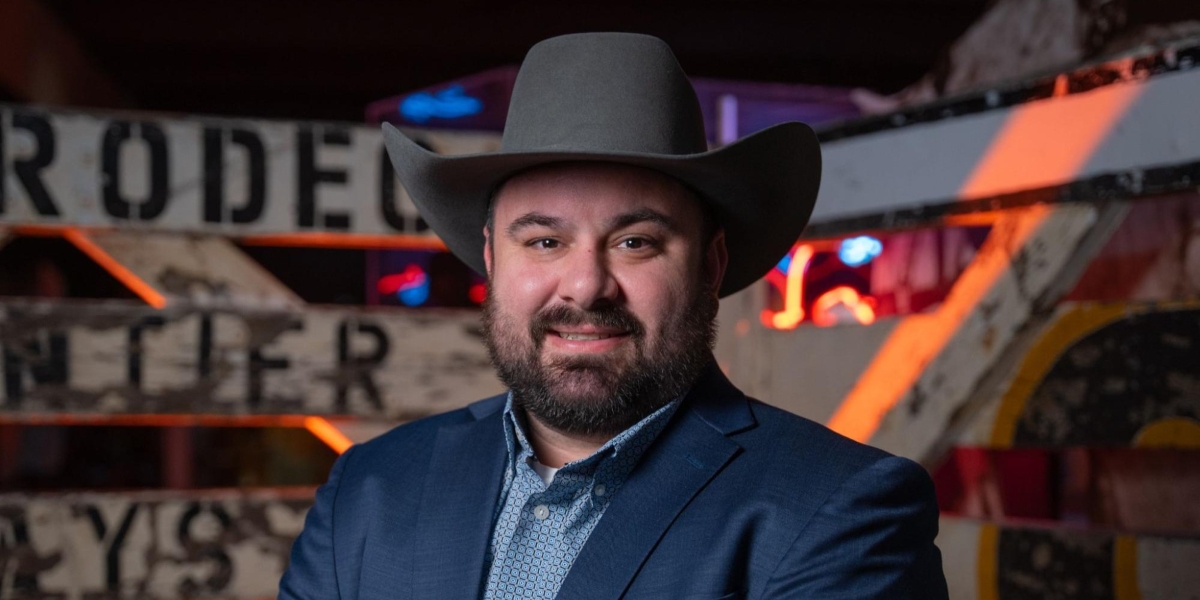

By: Natalie Johnson
By the time a sales organization misses its target, the underlying issue may have been developing for weeks or months. For Joshua Teixidor, the answer starts with understanding which leadership role the moment requires. Leaders must constantly shift between three distinct mindsets depending on what the situation is demanding.
“The best sales leaders know when to move between all three mindsets: manager, leader, and coach roles,” Teixidor says. The manager is focused on execution and accountability: making sure the work is being done, commitments are tracked, and performance is measured against clear expectations. The leader is responsible for direction: setting priorities, clarifying strategy, and ensuring the team understands where it is going and why it matters. The coach operates at the individual level: developing skills, improving judgment, and helping representatives (reps) work through specific deal or behavioral challenges so they can perform better over time.
Three Hats, Three Different Jobs
The framework begins with recognizing that effective sales leadership is not one job performed the same way every day. On Monday morning, the manager looks ahead, identifying gaps, execution risks, mitigation plans, and team commitments. The leader also looks farther out, asking whether the organization understands where it is going and why it matters.
The coach takes a different view altogether. The focus shifts to the individual:
- Who needs clarity?
- Who needs to be challenged?
- Who needs help working through a problem?
“The problem starts when Monday becomes nothing but numbers and updates and pressure,” Teixidor says. A pipeline review can reveal a problem, but numbers alone rarely explain why it exists.
Diagnose the Process Before Blaming the Number
When a quarter lands softly, Teixidor looks backward before looking forward:
- Did the team enter the quarter with enough qualified pipeline?
- Were opportunities genuinely real according to the organization’s definition of a deal?
- Were close dates based on buyer commitments or simply entered into the customer relationship management system by sales reps?
A weak result can point to several very different breakdowns. Pipeline creation may have been inadequate. Qualification standards may have been too loose. Managers may have seen warning signs without challenging them. Frontline leaders may not have known what those warning signs looked like in the first place.
“The final number is usually the symptom and not the problem that you want to deal with,” Teixidor says. That approach is central to building revenue operations infrastructure that can support predictable growth. Forecasting rigor and pipeline discipline are not simply reporting exercises. They are mechanisms for finding problems early enough to change the outcome.
Change Behavior Before Expecting Better Numbers
Once the gap is identified, Teixidor’s priority is behavior. “What needs to change first is the behavior because the behavior is something that is going to be recreated over and over again for the future of the business.” The timeline for improvement depends on the diagnosis:
- An effort problem can produce visible changes quickly through more activity, stronger conversations, and better-quality opportunities.
- A knowledge gap may require weeks of training, role-playing, and continued application.
- A strategic problem can take longer because it may involve changing accounts, messaging, stakeholders or the way opportunities are managed.
The common thread is reinforcement. A correction cannot be limited to one sales cycle or one quarter. It has to become a repeated expectation until it becomes a habit. That is where sales coaching becomes part of operating discipline rather than a separate training exercise.
AI Can Find the Risk, But Leaders Still Have to Coach
AI is increasingly capable of identifying aging deals, missed stakeholders, weak next steps, and changes in customer conversations. That can give managers more time to focus on the issues most likely to affect performance. “AI can always tell you where the risk is, but it can’t always tell you why the rep is not doing what they’re doing.”
That distinction makes second-line leadership even more important as spans of control widen. AI can support reporting, preparation, and inspection, but the coaching conversation still requires judgment. The strongest organizations will use technology to surface patterns, while relying on leaders to build capability in the people behind those patterns.
Ultimately, the goal is leadership depth. “Teams that win will have leaders who can build judgment in others.” When managers and reps can recognize problems, think through them, and act without waiting for someone above them to intervene, revenue scaling becomes less dependent on individual heroics.
For Teixidor, that is the deeper purpose of the framework. “The importance is in the details. It’s not just looking at numbers. It’s not just looking at data, but understanding the why, and having a conversation with the individual to understand if there’s a need for improvement and where the potential growth areas are that need to be addressed.”
Follow Joshua Teixidor on LinkedIn or visit his sales leadership website.