
By: Lennard James
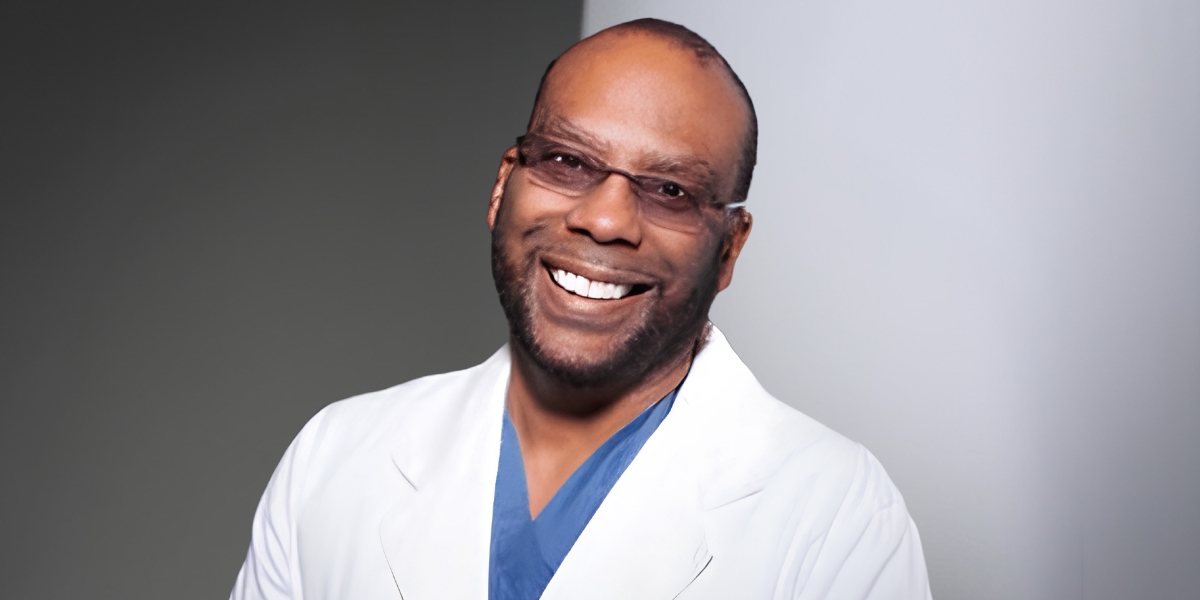
For Dr. Ken Taylor, OB/GYN, wellness is not simply the absence of disease. It is the ability to remain active, independent, confident, and engaged throughout every stage of life. His approach to preventive health emphasizes healthy aging and reducing the risk of falls, one of the greatest threats to the safety and independence of older adults.
With a medical background in obstetrics and gynecology and leadership experience in occupational medicine, Dr. Taylor brings a broad perspective to patient care. His work has helped him understand how physical health, workplace safety, mobility, and preventive medicine intersect.
Dr. Taylor currently serves as a medical director in occupational medicine, where his responsibilities include clinical leadership, workplace-injury care, return-to-work evaluations, preventive examinations and collaboration with employers and healthcare professionals. That experience has reinforced an important principle: preventing an injury is often more effective than treating its long-term consequences.
This principle becomes especially important as people age.
Falls are the leading cause of injury among adults age 65 and older in the United States. More than 14 million older Americans, approximately one in four, report falling each year. About 37 percent of those who fall experience an injury that requires medical treatment or restricts their activity for at least one day, according to the Centers for Disease Control and Prevention.
A fall can result in a hip fracture, head injury, hospitalization, reduced mobility or loss of independence. Even when a person is not seriously injured, the fear of falling again can cause them to avoid walking, exercising, visiting friends, or participating in community activities.
That reduction in activity may lead to weaker muscles, poorer balance and greater social isolation, creating a cycle that increases the risk of another fall.
Dr. Taylor’s wellness-centered message is that falls should not be accepted as an unavoidable consequence of growing older. Many of the contributing risk factors can be identified and addressed before an emergency occurs.
Fall prevention begins with a complete evaluation of the individual rather than focusing on a single symptom. Changes in vision, muscle strength, balance, blood pressure, sensation and reaction time can affect stability. Chronic conditions such as arthritis, diabetes and cardiovascular disease may also influence a person’s ability to walk safely.
Medication management is another important part of prevention. Some prescriptions and over-the-counter medications may cause dizziness, fatigue, confusion or changes in blood pressure. Older adults should discuss their complete medication lists with a qualified healthcare professional and should not stop prescribed medication without medical guidance.
Regular physical activity can help preserve strength, coordination and flexibility. Depending on a person’s health and abilities, walking, resistance exercises, supervised balance training, tai chi or physical therapy may support greater stability. The World Health Organization identifies strength and balance training for older people as an evidence-based fall-prevention measure.
Preventive care should also include routine vision and hearing examinations, appropriate footwear and attention to foot health. Shoes should fit properly and provide stable, nonslip support. Individuals who experience dizziness, weakness or difficulty walking should discuss those symptoms with a medical professional.
The home environment is equally important. Loose rugs, electrical cords, cluttered walkways, poor lighting and slippery bathroom surfaces can turn familiar spaces into hazards. Simple improvements, including installing grab bars, adding handrails, securing carpets, using night-lights and placing frequently used objects within easy reach, can reduce unnecessary risks. The National Institute on Aging recommends exercise, medication management, vision checks and home-safety improvements as practical preventive steps.
Dr. Taylor’s broader philosophy of healthy aging also includes nutrition, preventive screenings, weight management, quality sleep, social connection and mental wellness. These factors work together to help people preserve their physical and emotional health.
His background as an OB/GYN gives him particular insight into women’s health across the lifespan. As women age, changes involving bone density, hormones, muscle mass and cardiovascular health may influence their risk of fractures and disability. Preventive conversations about osteoporosis screening, calcium and vitamin D needs, strength-building activity and other individualized concerns can support healthier outcomes.
Healthy aging, however, is important for both women and men. Families and caregivers can help by noticing changes in mobility, encouraging medical evaluations and making homes safer without unnecessarily limiting an older person’s independence.
Dr. Taylor encourages people to think about wellness before a fall, fracture or hospitalization forces the conversation. A preventive visit can provide an opportunity to evaluate balance, review medications, discuss exercise and identify hazards that might otherwise be overlooked.
The goal is not to create fear around aging. It is to help people age with greater preparation, confidence and dignity.
Through his work in women’s health, occupational medicine and preventive care, Dr. Ken Taylor continues to promote a straightforward message: prevention matters. By addressing fall risks early and treating wellness as a lifelong priority, individuals can protect their mobility, maintain their independence and continue participating in the activities and relationships that give their lives meaning.