
By: Natalie Johnson
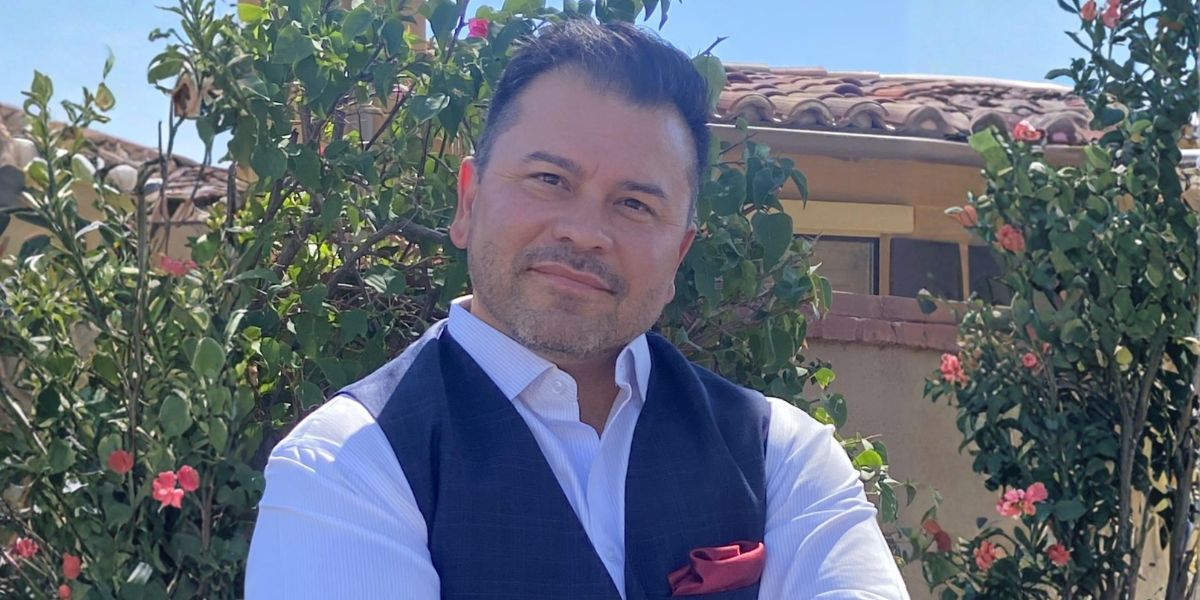
A paycheck is an income someone else guarantees. For 30 or 40 years, an employer absorbed the uncertainty, market conditions, and timing, and handed over a clean, dependable number every couple of weeks. David Michael Mares says retirement is the moment all of that risk transfers to a person who has never once had to carry it. “Most people expect me to start with their investments,” he says. “I don’t. I start with their next paycheck.” Mares, of Socius Wealth Management, works with people at this handoff. Retirement does not simply bring income to an end. It puts the retiree in the position of producing, managing, and protecting the income, without any prior experience of doing so.
Start With the Month After the Last Paycheck
Mares opens with a question that reframes the conversation. Have you thought about what happens the month after your last paycheck? Most people have spent decades building savings and almost no time on how those savings become a reliable payment.
The difficulty is not the balance. It is everything the employer used to handle silently, from where the first month’s income comes from and how long it lasts to how taxes reduce it and how it survives a falling market. Those were never the retiree’s problems before, because a payroll department solved them. Mares frames the work as structuring income the retiree can plan around, month after month. Building that means taking on a job that you never realized someone else was doing for you.
Name the Risk You Just Inherited
Before any numbers, Mares wants to understand what uncertainty the client is trying to eliminate. A paycheck arrived on schedule for decades. When it stops, the retiree inherits the volatility the employer used to absorb, and the anxiety that produces drives the conversation.
Mares avoids asking what retirement looks like. Instead, he asks what concerns them most about their first year, or if they were looking back a year later unsatisfied, what they think went wrong. The answers expose the risk now sitting on the person’s shoulders: running out of money, overpaying taxes, a market drop, or healthcare costs. Only once that risk is named can the plan be built to address it.
Rebuild the Machine That Produced the Paycheck
The paycheck felt simple because its complexity was hidden. Turning a lifetime of savings into 30 years of monthly income means constructing the mechanism an employer ran automatically. That means deciding which assets generate income first and which keep growing, how to draw money in a tax-efficient order, and how to defend against the risks that can derail a retirement.
The question shifts from “How much has been saved?” to “How can it be structured to produce tax-efficient income across a lifetime?” The benchmark shifts with it. Success stops being the size of the portfolio and becomes the reliability of the payment.
Build a Shock Absorber
An employer’s payroll never has to forecast the future, and a retirement plan cannot either. Mares sees people treat retirement as a finish line when the first year rarely resembles the tenth. Priorities, markets, tax laws, health, family, and goals all shift.
A plan built once and filed away cannot absorb any of that. Instead, Mares builds for adaptation, with a strategy that accounts for where income originates, when to tap which accounts, how to manage taxes, and how to adjust when life leaves the projection behind. “The goal isn’t to predict the next 30 years perfectly,” he says. “The goal is to create a plan that can respond to whatever the next 30 years bring.”
Where Retirement Income Planning Is Headed
The future of retirement planning, in Mares’s view, will not be defined by how much someone accumulates but by how well they convert it into income they can trust. The old obsession with the largest possible nest egg answers a question that retirement immediately replaces: it is no longer how much is saved, but how much of it can actually be used, and for how long.
Answering it takes coordination, income planning, tax strategy, healthcare, legacy, and risk management assembled into one plan. Proactive tax planning, multiple income streams, and built-in flexibility stop being advanced techniques and become the baseline. But the tools reach only so far, because what the retiree lost was never just a number. It was the certainty that the number would keep coming.
Rebuilding that certainty is the work, and Mares treats it as the point of the plan rather than a byproduct of it. To learn more, connect with David Michael Mares on LinkedIn.
Disclaimer: This article is for informational purposes only and does not constitute investment advice, a recommendation, or an offer to buy or sell any securities. Consult a qualified financial advisor for advice specific to your situation.