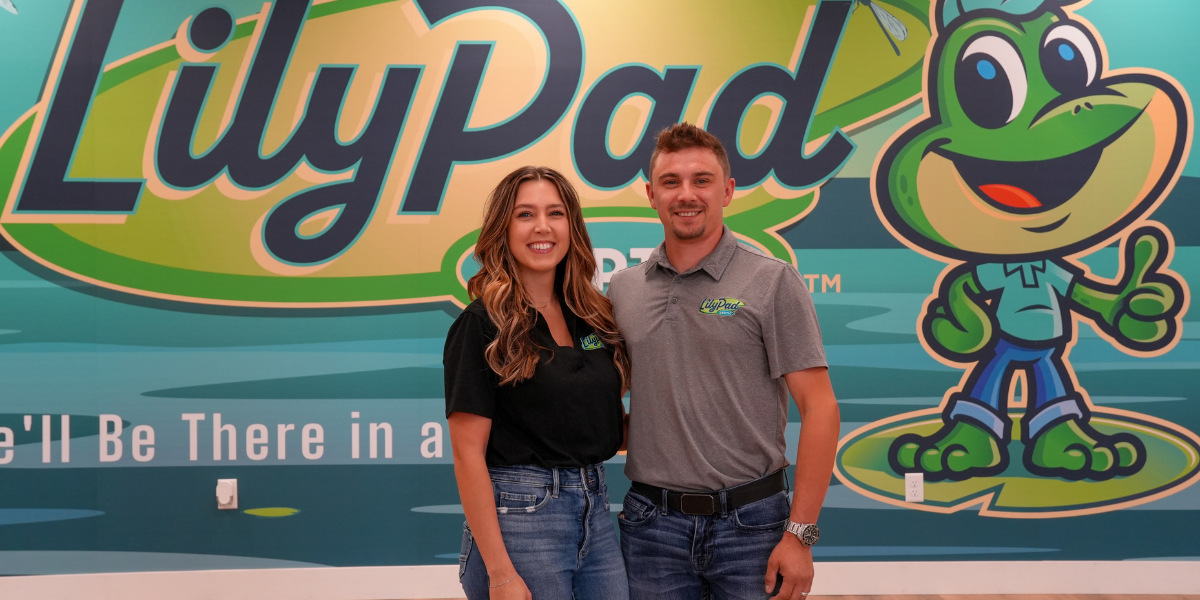

By: Alexandra Perez
Cole Leister did not enter the septic industry with a polished plan, a college degree, or a long family history in wastewater systems. He entered it at 19, fresh out of high school, carrying a restless belief that sitting still would cost him more than trying something hard. College at Kansas State University was supposed to be the safe next step, but while his peers settled into campus life, Leister was driving from Manhattan to Salina, Kansas, learning a business most people never think about until something goes wrong.
The company began as Fuller’s Septic Tank Service, an old-school operation with paper records, aging trucks, and no computer system. It offered portable toilet rentals and septic tank pumping, but little beyond that. Leister was young and stepping into an industry that did not leave much room for theory. The work was physical, technical, urgent, and often messy. Still, he saw possibility where others might have seen only problems.
One of his first moves was simple but transformative. He started moving the business from paper into digital systems so routes, jobs, and invoices could be managed with more precision. That early shift became the first sign of the mindset that would shape the company: learn fast, improve what can be improved, and refuse to let old habits become the ceiling.
Learning the Septic Trade Without a Family Background
Leister’s education came from necessity. He did not grow up inside the septic trade, and he knew customers might hesitate to trust a teenager with one of the most important systems on their property. Instead of letting that insecurity stop him, he turned it into fuel. “If I become the smartest person in the area in this industry that I can possibly be, then I at least have that going for me,” he said.
Growth came from noticing what customers needed before the company was fully ready to provide it. While pumping tanks, Leister saw how much repair and installation work was being turned away. He rented an excavator, practiced in his grandmother’s pasture, and decided the company could start replacing septic tanks. What he imagined might become a handful of jobs each year quickly turned into dozens.
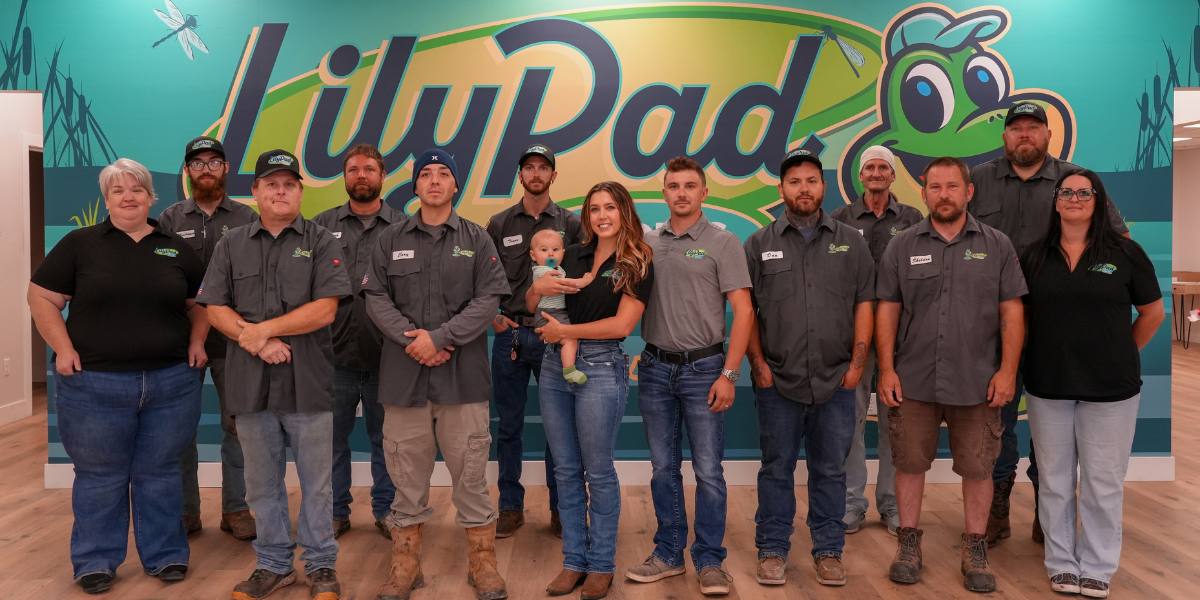
That expansion revealed a hard truth. One person could not do everything forever. Calle, his high school girlfriend and now wife, stepped into the office side of the business after seeing the weight he was carrying. Her experience with scheduling, payments, and customer communication gave the company the structure it needed to keep growing and became one of the earliest major turning points.
How the Carl Vincent Services Acquisition Reshaped the Company
The next leap came in 2022 with the acquisition of Carl Vincent Services in Hutchinson, Kansas. The move added a second location in Hutchinson, extended the company’s service area, and exposed the team to different septic system types and technologies. Leister went through a rebrand that brought everything under the LilyPad Septic brand.
LilyPad Septic grew into a company shaped by responsiveness, professionalism, and education. Leister believes the septic industry carries an unfair stigma, partly because customers often see it only during stressful moments. His answer is consistency: clean trucks, trained technicians, strong communication, and a team that understands the responsibility of showing up when people need help.
Why Consistency Defines LilyPad Septic’s Service Model
To Leister, service is not complicated in theory, but it is demanding in practice. “It is a simple business. What we do is pretty simple, but it is not easy,” he said. That distinction matters. Answering the phone, arriving on time, communicating delays, and doing the work correctly may sound basic, yet those habits are the difference between an average company and one people remember.
The company’s same-day or 24-hour service guarantee reflects that philosophy. Septic problems rarely wait for convenience, and LilyPad Septic built its customer experience around that reality. Leister also emphasizes homeowner education, especially around regular maintenance. Pumping a tank after years of neglect may only provide a temporary fix if the lateral field has already been damaged.
Leading a Growing Septic Company Through Change
His leadership has changed as the company has grown. Early on, he wore every hat. Today, he is learning how to cast vision, delegate decisions, and develop people who can carry the company forward. He understands that the leader he becomes determines the size and strength of the company he can build.
That mindset has been tested by challenges beyond routine business pressure. Windstorms, power outages, broken equipment, and an explosion near the Hutchinson location have forced the team to adapt quickly. Leister focuses on what can be controlled, how the team can respond, and how to keep moving when circumstances shift.
Nearly a decade after taking the first uncertain step, Leister still speaks like someone at the beginning of a bigger climb. The company has moved into a larger facility, built a training area, upgraded its fleet, and widened the territory it covers. Still, his attention is fixed on what comes next. “There’s obviously satisfaction with doing that, but it’s also like the opportunities and the possibilities are endless,” he said.
The story of LilyPad Septic is not simply about a young entrepreneur finding success in an overlooked industry. It is about what happens when humility meets hunger, when self-education becomes survival, and when a business grows without losing sight of the people it serves. From a paper-based company with old trucks to a growing service brand built on urgency, professionalism, and trust, the journey continues for Cole Leister.