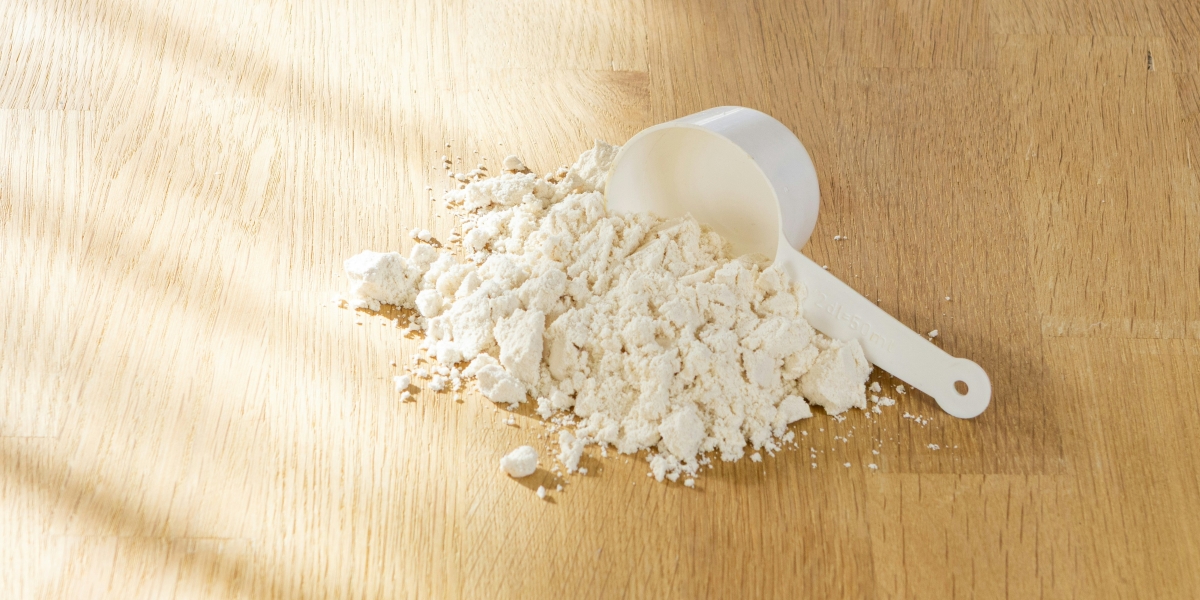

If you have spent any time reading protein labels, you have probably noticed that not all whey protein is described the same way. Some products say whey protein concentrate. Others say whey protein isolate. A few say both. The distinction sounds technical, but it has real implications for what you are actually getting in every scoop.
Here is a clear, straightforward breakdown of what whey protein isolate is, how it differs from other forms of whey, and what to consider when deciding which type belongs in your routine.
Where All Whey Starts
Before getting into isolate specifically, it helps to understand where whey comes from. Whey protein powder is the dried, concentrated protein portion of milk left over from cheese making. When milk is processed to make cheese, it separates into solid curds and a liquid byproduct. That liquid is whey, naturally rich in protein and all nine essential amino acids.
From there, the whey goes through filtration and processing to remove water, lactose, and other components. How aggressively it is processed, and which method is used, determines whether the final product is concentrate, isolate, or hydrolysate.
What Makes Isolate Different From Concentrate
The primary difference between whey protein isolate and whey protein concentrate comes down to how much additional processing the whey undergoes after the initial filtration stage.
Whey protein concentrate is the less processed form. It typically contains between 70 and 85 percent protein by weight, with the remaining content made up of naturally occurring fats, carbohydrates, lactose, and bioactive compounds found in milk. Because it is less processed, concentrate retains more of the naturally occurring components that were present in the original whey liquid.
Whey protein isolate undergoes additional filtration to remove more of the fat, carbohydrates, and lactose, resulting in a protein content typically above 90 percent by weight. The higher protein percentage is the main selling point, and for people who are lactose intolerant or following very strict macronutrient targets, the lower lactose and fat content can be practically useful.
According to research published by the National Institutes of Health, the additional processing involved in producing whey isolate removes some of the bioactive compounds naturally present in whey concentrate, including immunoglobulins and lactoferrin, which are heat and process-sensitive components that may contribute to the broader nutritional value of less processed whey.
The Trade-Off Between Processing and Quality
This is where the conversation gets more nuanced than most protein marketing suggests. A higher protein percentage sounds like an obvious win, but the processing required to achieve it comes with trade-offs that are worth understanding.
The most common method used to produce whey isolate is ion exchange, which uses chemical processes to separate and concentrate the protein. While effective at raising the protein percentage, ion exchange processing can alter the protein’s natural structure and reduce the presence of naturally occurring bioactive components.
According to Healthline, whey protein concentrate that is minimally processed retains more of its naturally occurring bioactive compounds compared to more heavily processed isolate forms. For someone whose primary goal is the highest possible protein percentage per gram, isolate makes sense. For someone who wants the full nutritional picture of high-quality whey with its naturally occurring components intact, a minimally processed, undenatured concentrate is the stronger choice.
What Undenatured Means Here
The term undenatured refers to whether the protein’s natural structure has been maintained through the processing stage. Denaturation occurs when heat, acid, or aggressive chemical processing alters the protein’s shape and reduces the presence of heat-sensitive bioactive components.
Some level of processing is unavoidable in any protein product. The goal with high-quality whey is to minimize unnecessary heat stress rather than eliminate processing entirely. Undenatured whey concentrate processed at low temperatures preserves more of what makes grass-fed whey nutritionally valuable in the first place. As noted by research from the National Institutes of Health, the bioactive compounds naturally present in minimally processed whey may contribute to benefits beyond basic amino acid delivery.
It is worth noting that even denatured protein can still contribute amino acids to your diet effectively. The distinction is about preserving the full spectrum of what high-quality whey has to offer, not about whether the protein delivers amino acids at all.
Who Might Choose Isolate
Whey protein isolate is not a bad choice. There are specific situations where it makes practical sense.
Lactose Sensitivity
The additional processing that removes fat and carbohydrates from isolate also significantly reduces the lactose content. For people who experience digestive discomfort from lactose but still want a whey-based protein, isolate is often better tolerated than concentrate.
Very Strict Macronutrient Targets
For competitive athletes or people following highly specific nutrition protocols where every gram of carbohydrate or fat is being carefully tracked, the higher protein-to-calorie ratio of isolate can be a practical advantage.
Post-Surgical or Medical Contexts
In some clinical nutrition contexts, a very high protein percentage with minimal fat and carbohydrate is specifically useful. In these situations, a healthcare provider or registered dietitian would typically be guiding the choice anyway.
Why Concentrate Is Often the Better Everyday Choice
For the majority of people using protein as part of a balanced daily nutrition routine, the incremental difference in protein percentage between isolate and concentrate is less meaningful than the difference in ingredient quality and processing method.
A well-sourced, minimally processed, grass-fed undenatured whey concentrate delivers excellent protein quality alongside naturally occurring bioactive compounds, good mixability, and a clean flavor that pairs well with real ingredients. That is the foundation the FlavCity Protein Smoothies are built on.
Each serving delivers 25g of protein, 10g of collagen, fruits, and functional mushrooms (cordyceps & reishi). All from a minimally processed concentrate that keeps the protein structure and naturally occurring compounds intact. Flavors like Vanilla Cream, Salted Caramel, and Chocolate Peanut Butter are all built around this same quality foundation, with real fruit and real flavor ingredients doing the heavy lifting rather than artificial compounds masking a lower-quality base.
The bottom line is straightforward. Isolate and concentrate both deliver protein effectively. The decision comes down to your specific needs, your sensitivity to lactose, and whether you prioritize a higher protein percentage or the fuller nutritional profile of a minimally processed, high-quality concentrate.